If you want to know about how to turn your craft, this guide covers everything you need. You’ve been crocheting for a few months now. Your friends keep telling you that you should sell your stuff. Your Instagram followers ask where they can buy that blanket you just finished. The idea of a craft side hustle is exciting, but you have questions. Can you actually make money? How much? And where do you even start?
This guide is going to be honest with you. A craft side hustle can absolutely generate real income, but it requires more than just being good at your craft. Let’s walk through what it actually takes to turn your hobby into something that pays.
The Reality Check: What a Craft Side Hustle Looks Like: How To Turn Your Craft
Before we get into the how-to, let’s set realistic expectations. Most successful craft side hustlers earn between $200 and $2,000 per month after their first year. Some eventually scale beyond that, but it takes time, consistency, and business skills alongside craft skills.
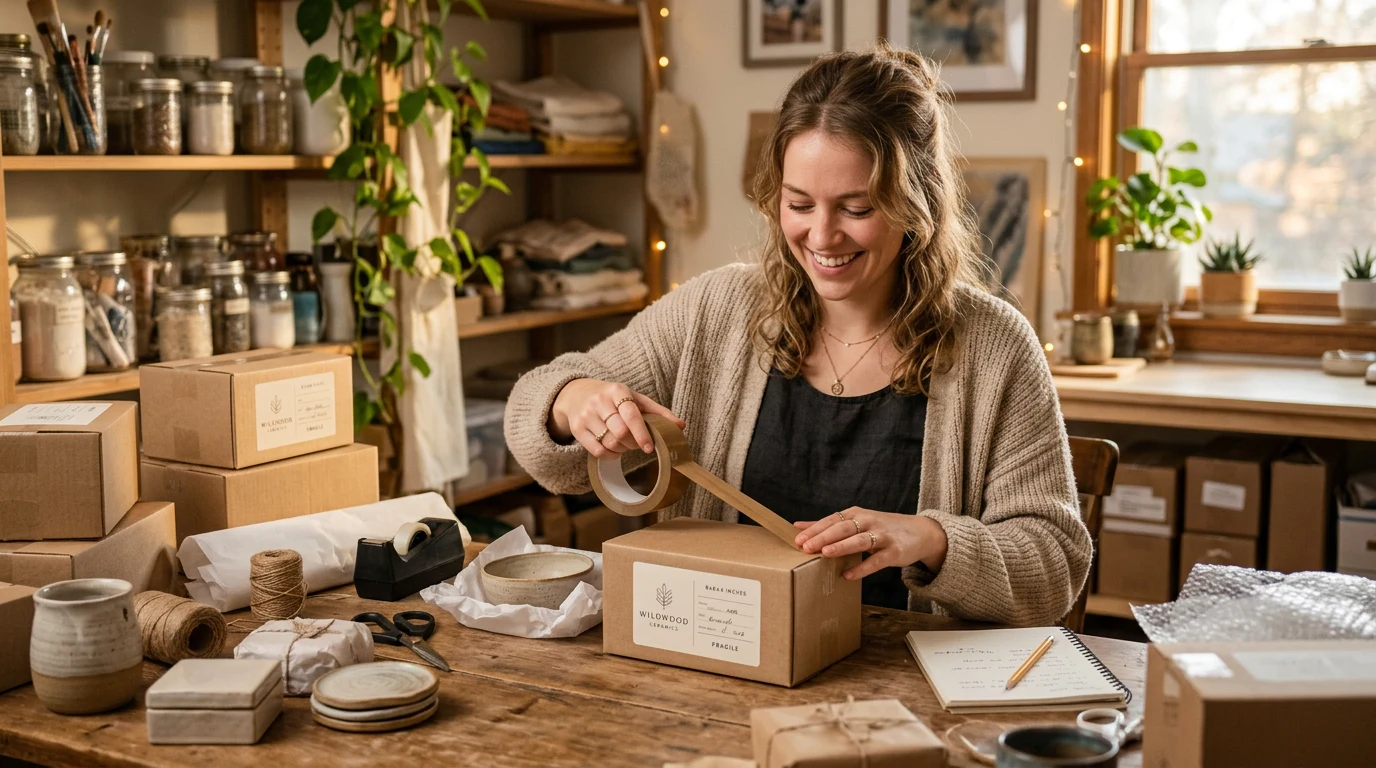
The crafters who struggle are usually the ones who undercharge, try to sell everything to everyone, or treat the business side as an afterthought. The ones who thrive treat their craft side hustle like a small business from day one, even if it’s a small, casual one.
What Actually Sells in 2026
Not every craft product has the same market potential. Understanding what buyers are actively searching for and willing to pay for saves you months of trial and error.
| Category | Examples | Price Range | Demand Level |
|---|---|---|---|
| Crochet Wearables | Tops, cardigans, bags, hats | $30-150 | Very High |
| Personalized Items | Name blankets, custom embroidery, monograms | $40-200+ | High |
| Home Decor | Macrame, woven wall art, ceramics | $25-300 | High |
| Baby/Kids Items | Blankets, stuffed animals, clothing | $20-120 | Very High |
| Pet Accessories | Bandanas, sweaters, toys | $15-60 | High |
| Seasonal/Holiday | Ornaments, stockings, decorations | $10-80 | Seasonal spikes |
| Digital Patterns | Knitting/crochet/sewing patterns | $5-15 | High (passive income) |
| Craft Kits | Beginner kits with supplies + instructions | $25-60 | Growing |
The highest-margin products tend to be those with personalization (customers pay premium for custom work), digital patterns (zero materials cost after creation), and items in the $40-100 sweet spot (high enough to be profitable, low enough for impulse purchases).
Pricing Your Work: Stop Undercharging
This is where most craft side hustlers go wrong. They price based on what they’d pay, not what the work is worth. Here’s a pricing formula that actually works.
The Craft Pricing Formula
Materials Cost + (Time x Hourly Rate) + Overhead = Wholesale Price
Wholesale Price x 2 = Retail Price
Let’s say you’re making a crocheted market bag. Materials cost $8. It takes you 3 hours and you value your time at $20/hour. Overhead (packaging, Etsy fees, shipping supplies) adds $5. That’s $8 + $60 + $5 = $73 wholesale. Retail price: $146.
That might feel high if you’re comparing to mass-produced bags at Target. But you’re not competing with Target. You’re selling a handmade, one-of-a-kind item to someone who specifically values handmade goods. Price accordingly.
The Hourly Rate Question
What should your hourly rate be? At minimum, your state or country’s minimum wage. Ideally, $15-25/hour for skilled handwork. As your reputation grows and demand increases, raise your hourly rate. Never go below minimum wage. Your time has value, and undercharging hurts the entire handmade market.
Where to Sell: Platform Comparison
Each selling platform has distinct advantages, fees, and audiences. Many successful craft sellers use a combination. Mastering how to turn your craft takes practice but delivers great results.
| Platform | Fees | Best For | Drawbacks |
|---|---|---|---|
| Etsy | $0.20/listing + 6.5% transaction + 3% payment | Built-in audience, search traffic | High competition, algorithm changes |
| Shopify | $39/mo + payment processing | Brand control, scaling | No built-in traffic, monthly cost |
| Instagram Shop | Free (payment processing only) | Visual products, existing followers | Requires strong social presence |
| Local Craft Fairs | $50-200/booth | Testing products, local community | Weather dependent, time intensive |
| Facebook Marketplace | Free for local, 5% for shipped | Local sales, quick turnover | Less craft-focused audience |
| Faire (wholesale) | 25% commission (first order), 15% (repeat) | Selling to retailers | Requires wholesale pricing, volume |
Starting on Etsy
For most craft side hustlers, Etsy is the best starting platform. It has millions of buyers actively searching for handmade goods. You don’t need to drive your own traffic (though it helps). And the startup costs are minimal.
The key to Etsy success is understanding that it’s a search engine. Your listings need to be optimized with the right keywords, quality photos (natural light, white or neutral backgrounds, lifestyle shots), and detailed descriptions. We’ll cover Etsy optimization in more detail in our dedicated guide.
Local Sales and Craft Fairs
Don’t overlook local selling opportunities. Craft fairs, farmer’s markets, and local boutique consignment can generate immediate income without the overhead of online platforms. They’re also invaluable for market research. Watching which products people pick up, what questions they ask, and what price points make them hesitate tells you more than months of online analytics.

- 【SEWING CUTTING MAT】Aneuzs self-healing cutting mat protects your work surface.
- 【SELF HEALING CUTTING MAT】Made of 5-layer PVC material, the white hardness PVC i
- 【ROTARY MAT SIZE】Rotary cutting mat measures approx.12 x 18 inches (A3 size), du
Building Your Brand (Without Overthinking It)
You don’t need a perfect logo, a color palette consultation, or a brand strategist. What you need is consistency and a clear point of view.
Find Your Niche
The fastest path to craft side hustle success is specialization. Instead of selling everything you can make, focus on a specific niche. “Handmade crochet baby blankets in modern neutral colors” is a brand. “I make stuff” is not.
Good niches combine your skills with a specific audience need. Think about what you love making, what you’re best at, and who would pay for it. The intersection of those three things is your niche.

Social Media for Craft Sellers
Instagram and TikTok are the most effective social platforms for craft businesses in 2026. But you don’t need to be on every platform. Pick one, get good at it, and add others later if you have bandwidth.
The content that works best for craft sellers: process videos (people love watching things being made), before-and-after reveals, packing orders, and behind-the-scenes glimpses of your workspace. You don’t need professional equipment. A phone, natural light, and genuine enthusiasm go a long way.
The Legal Basics (Don’t Skip This)
Even a casual craft side hustle has legal requirements. Ignoring them can create expensive problems down the road.
Business Structure
For most craft side hustlers, starting as a sole proprietorship is fine. As you grow, consider an LLC for liability protection. The specifics vary by state, but forming an LLC typically costs $50-500 and provides separation between your personal and business assets.
Sales Tax
In the US, most states require you to collect sales tax on physical goods. Etsy handles this automatically for online sales in many states. For craft fairs and local sales, you may need to register for a sales tax permit with your state’s revenue department. This is usually free and takes about 15 minutes online.
Income Tax
All income from your craft side hustle is taxable, whether you receive a 1099 or not. Keep records of all sales and expenses from day one. Craft supplies, packaging materials, platform fees, booth rental fees, mileage to craft fairs, and a portion of your home workspace are all potentially deductible. Consider using a simple accounting tool like Wave (free) or QuickBooks Self-Employed.
Product Safety
If you sell children’s products, you must comply with the Consumer Product Safety Improvement Act (CPSIA). This means your products need to meet specific safety standards and testing requirements. Items for children 12 and under have the strictest rules. Research this carefully before selling kids’ products. Understanding how to turn your craft is key to a great craft hobby.
Managing Your Time (The Anti-Hustle Approach)
Here’s where we diverge from typical “boss babe” side hustle advice. Your craft side hustle should enhance your life, not consume it. The whole point of crafting was to slow down and enjoy making things. Don’t let monetization steal that joy.
Set Boundaries Early
Decide how many hours per week you’ll dedicate to your craft business. Include making time, photography, listing, packing, shipping, and customer communication. A sustainable starting point is 5-10 hours per week on top of your other commitments.
Batch Your Tasks
Instead of listing items one at a time, photograph a batch of products in one session. Write all your descriptions at once. Pack and ship on designated days. Batching reduces the mental overhead of constantly switching between creative work and administrative tasks.
Keep Making for Yourself
Protect time for personal projects that aren’t for sale. This keeps your creative well full and prevents burnout. The moment crafting starts feeling like only a job, your work and your wellbeing both suffer.
Scaling Up: When You’re Ready for More
Once your craft side hustle is generating consistent income and you want to grow, here are the most effective next steps.
Add Digital Products
If you design your own patterns, selling them digitally is the highest-margin product you can offer. Zero materials cost, infinite scalability, and passive income once the pattern is written and tested. Pattern sales on Etsy and Ravelry can become a significant income stream.
Teach Your Craft
Online workshops, in-person classes, and YouTube tutorials monetized through ads or sponsorships are all viable income streams for skilled crafters. Teaching also positions you as an authority in your niche, which drives sales of your physical products.
Wholesale to Retailers
Local boutiques and gift shops are often looking for unique, handmade products. Wholesale requires pricing at 50% of your retail price, so your margins need to support it. But the volume of consistent orders can be worth the lower per-item profit.
Build an Email List
An email list is the one marketing channel you fully own. Social media algorithms change. Platforms come and go. But an email list of people who want to hear from you is yours forever. Offer a small freebie (a simple pattern, a craft tip guide, or a discount code) to encourage signups.

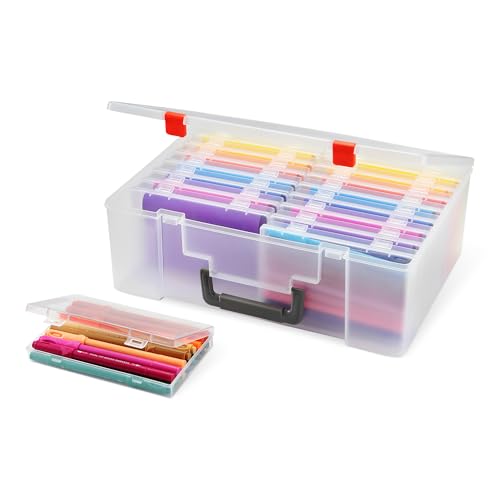
- PHOTO STORAGE: Each case holds up to 100 4×6-inch photographs with 16 clear comp
- MULTI-PURPOSE: Perfect for organizing photos, craft supplies, scrapbooking items
- DURABLE PROTECTION: Constructed with crack-resistant polypropylene plastic for l
Common Mistakes to Avoid
Learning from others’ mistakes is more efficient than making all of them yourself. Here are the most common craft side hustle pitfalls.
Underpricing. We covered this, but it bears repeating. Charging $15 for a blanket that took you 20 hours is not humility. It’s unsustainable. Price your work fairly.
Trying to sell everything. A shop with knitted hats, painted rocks, soap, and resin jewelry confuses buyers. Focus on one craft and a cohesive product line.
Poor photography. Online buyers can’t touch your products. Your photos are everything. Invest time in learning basic product photography. Natural light near a window, a clean background, and multiple angles make a massive difference. When it comes to how to turn your craft, preparation matters most.
Ignoring the business side. Tracking expenses, understanding your profit margins, and filing taxes correctly aren’t optional. Set up systems from the start so they don’t overwhelm you later.
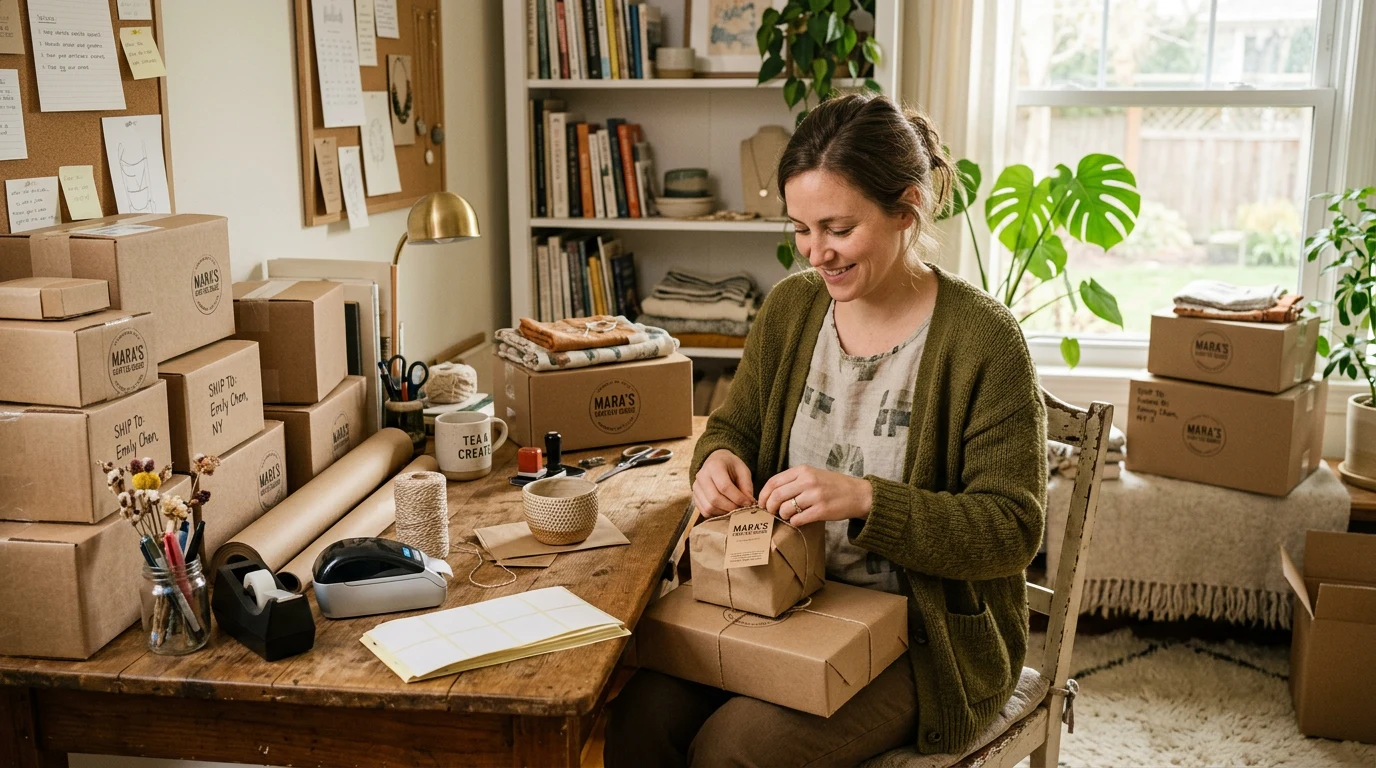
Comparing yourself to established sellers. Someone with 5,000 Etsy sales and a gorgeous Instagram feed has been doing this for years. You’re not behind. You’re at the beginning. Focus on your next step, not their current position.
Your First Month Action Plan
Here’s a simple, actionable plan for your first month as a craft seller.
Week 1: Choose your niche and create 3-5 products specifically designed to sell (not leftovers from personal projects). Research your competition on Etsy to understand pricing and presentation standards.
Week 2: Photograph your products (aim for at least 5 photos per item). Write descriptions that include relevant keywords and speak directly to your ideal buyer’s needs.
Week 3: Set up your Etsy shop (or preferred platform). List your products. Share the launch with your existing social network. You don’t need to go viral. You need your first 5-10 sales to build reviews and momentum.
Week 4: Evaluate what’s getting views and favorites versus what’s selling. Adjust your offerings based on actual buyer behavior, not assumptions. Start planning your next batch of products.
Frequently Asked Questions
How much can you realistically make from a craft side hustle?
Most craft side hustlers earn $200-$2,000 per month in their first year, depending on the craft, pricing strategy, time invested, and marketing efforts. Some crafters eventually scale to $3,000-$5,000+ monthly, but this typically requires treating it as a serious part-time business with 15-20+ hours per week. Digital products (patterns, tutorials) and teaching tend to offer the best income-to-time ratio once established.
Do I need a business license to sell crafts?
Requirements vary by location. In most US states, you’ll need a basic business license or permit to sell goods, even at craft fairs. Many cities require a home occupation permit if you’re running a business from home. Check with your city and state government websites for specific requirements. Registering is usually inexpensive ($25-100) and straightforward. Selling on platforms like Etsy doesn’t exempt you from local business requirements.
What craft sells the most on Etsy?
Personalized and customizable items consistently rank among the top sellers on Etsy. This includes custom name blankets, personalized jewelry, monogrammed items, and custom pet portraits. Beyond personalization, crochet wearables (especially trendy items like granny square cardigans), handmade candles, digital patterns, and craft kits have strong sales volume. The key is finding a niche with demand that matches your skills and interests.
Should I quit my job to do crafts full-time?
Not until your craft business consistently replaces your current income for at least 6-12 months. The craft side hustle model works specifically because it lets you build gradually without financial pressure. Financial pressure kills creative businesses faster than almost anything else. Keep your day job, build your craft business on the side, and only transition to full-time when the numbers clearly support it.
How do I deal with custom order requests that don’t fit my style?
It’s perfectly acceptable, and often wise, to decline custom orders that don’t align with your brand or skill set. A simple, polite response like “Thank you for thinking of me, but that’s outside what I currently offer” is enough. Taking on projects you don’t enjoy or can’t do well leads to mediocre results, unhappy customers, and burnout. Focus on the custom work that excites you and fits within your niche.
How much money can you actually make from a craft side hustle?
Most successful craft side hustlers earn between $200 and $2,000 per month after their first year. Some eventually scale beyond that, but it requires time, consistency, and business skills alongside your craft skills.
What types of crafts sell best right now?
Crochet wearables, personalized items, baby and kids products, and pet accessories have very high demand in 2026. Home decor items like macrame and ceramics also sell well, with prices ranging from $25 to $300 depending on the product.
Why do some crafters fail when trying to turn their hobby into a side hustle?
Crafters typically struggle when they undercharge for their work, try to sell everything to everyone, or treat the business side as an afterthought. The ones who thrive approach their craft side hustle like a legitimate small business from day one, even if it starts small and casual.
Do you need special business skills to start selling your crafts?
Yes, being good at your craft is not enough on its own. You need business skills like pricing strategy, marketing, and customer service to successfully turn your hobby into a profitable side hustle.
These statements have not been evaluated by the Food and Drug Administration. This information is not intended to diagnose, treat, cure, or prevent any disease. Content is for informational purposes only and is not medical advice; consult a qualified healthcare provider before starting any supplement. As an Amazon Associate we earn from qualifying purchases.
