If you want to know about 8 best yarns for crochet, this guide covers everything you need. Yarn is half the equation in crochet. The right yarn makes your project a pleasure to work on and produces a finished piece that looks and feels exactly the way you imagined. The wrong yarn turns a fun evening into a frustrating fight with splitty, scratchy, or uncooperative fiber. Choosing the best yarn for crochet depends on what you’re making, how you want it to feel, and how you plan to care for it.
Disclosure: This article may contain affiliate links. If you purchase through these links, we may earn a small commission at no extra cost to you. This helps support our work in bringing you helpful craft content.
Our reviews are based on aggregated verified buyer feedback, manufacturer specifications, and published expert opinion. Products are not independently tested by our team.
We compared fiber content, buyer experiences, stitch definition, washability, and value across dozens of popular yarns. Here are the 8 best yarns for crochet across different project types and budgets.
Understanding Yarn Weight Categories: 8 Best Yarns For Crochet
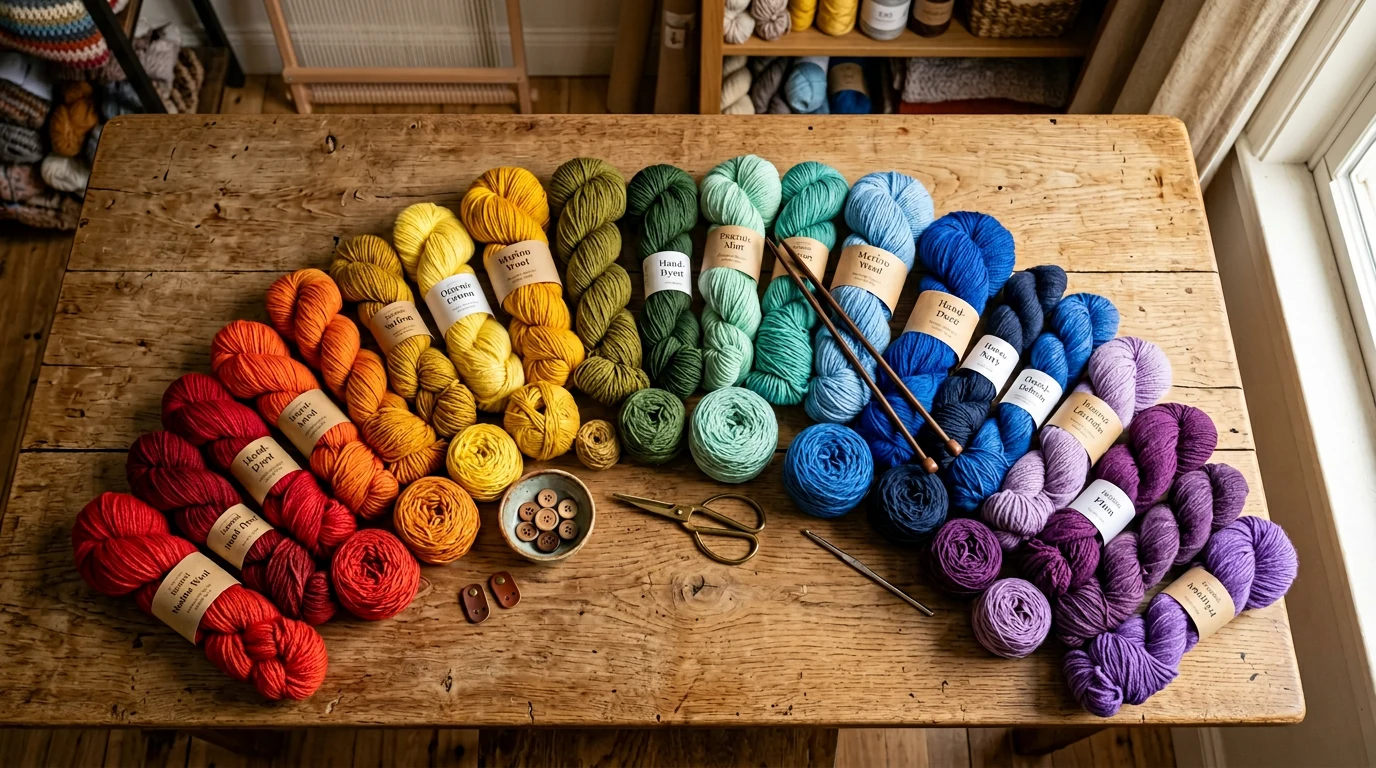
Before choosing a specific brand, you need to know what yarn weight your project calls for. Yarn weight refers to the thickness of the strand, not how heavy the skein is.
| Weight Category | Name | Common Hook Size | Best For |
|---|---|---|---|
| 1 | Super Fine (Fingering) | 2.25 – 3.5mm | Socks, delicate shawls |
| 2 | Fine (Sport) | 3.5 – 4.5mm | Baby items, lightweight garments |
| 3 | Light (DK) | 4.5 – 5.5mm | Garments, baby blankets |
| 4 | Medium (Worsted) | 5.0 – 6.0mm | Blankets, scarves, hats, most projects |
| 5 | Bulky | 6.5 – 9.0mm | Quick blankets, chunky scarves |
| 6 | Super Bulky | 9.0 – 16mm | Fast projects, home decor |
For beginners, category 4 (worsted/medium) is the most versatile starting point. It works with the widest range of patterns and is easy to handle.
Fiber Types: A Quick Guide
| Fiber | Pros | Cons | Best Use |
|---|---|---|---|
| Acrylic | Affordable, machine washable, huge color range | Can feel synthetic, less breathable | Blankets, amigurumi, everyday items |
| Cotton | Breathable, crisp stitch definition, washable | Less elastic, heavier, can stretch | Dishcloths, summer garments, bags |
| Wool | Warm, elastic, springs back, great drape | Can felt, requires gentle washing, some people are allergic | Garments, hats, cold-weather accessories |
| Merino wool | Very soft, warm, non-itchy | More expensive, requires careful washing | Wearables, baby items |
| Acrylic/wool blend | Warmth of wool, easy care of acrylic | Compromise on both qualities | Versatile for most projects |
| Bamboo | Silky soft, eco-friendly, good drape | Slippery, poor stitch definition | Garments, shawls |
| Polyester | Very soft (velvet/chenille types), durable | No stitch definition, hard to frog | Blankets, stuffed animals |
Quick Comparison: Best Yarns for Crochet
| Yarn | Fiber | Weight | Best For | Price Range |
|---|---|---|---|---|
| Red Heart Super Saver | 100% Acrylic | 4 (Worsted) | Budget blankets and practice | $ |
| Caron Simply Soft | 100% Acrylic | 4 (Worsted) | Soft garments and gifts | $ |
| Lily Sugar’n Cream | 100% Cotton | 4 (Worsted) | Dishcloths and kitchen items | $ |
| Bernat Blanket | 100% Polyester | 6 (Super Bulky) | Cozy blankets | $$ |
| Paintbox Yarns Cotton DK | 100% Cotton | 3 (DK/Light) | Amigurumi | $$ |
| Malabrigo Rios | 100% Merino Wool | 4 (Worsted) | Premium garments | $$$ |
| Lion Brand Mandala | 100% Acrylic | 3 (DK/Light) | Self-striping projects | $$ |
| Scheepjes Whirl | Cotton/Acrylic blend | 2 (Fine) | Shawls and gradient projects | $$$ |
1. Red Heart Super Saver
Best budget yarn for blankets and practice.
Red Heart Super Saver is the workhorse of the crochet world. It’s the yarn that’s available in every Walmart, Joann, and craft store in the country. It comes in an enormous range of colors (well over 100), it’s machine washable and dryable, and each skein contains a generous 364 yards. For the price per yard, it’s nearly impossible to beat.
Is it the softest yarn in the world? No. Out of the package, Super Saver can feel a bit stiff and scratchy. But here’s the thing that longtime crocheters know: it softens significantly after washing. The finished fabric is durable, holds its shape well, and can handle years of use. For blankets, amigurumi, home decor, and practice projects, Super Saver delivers consistently.
Buyer reviews reflect this duality: people love the value, color range, and durability, while noting the initial texture isn’t luxurious. For beginners learning tension and new stitches, the firmness of Super Saver actually makes stitches easier to see and count.
Pros:
- Exceptional value per yard
- Massive color selection
- Machine washable and dryable
- Durable, holds shape over time
- Available everywhere
Cons:
- Stiff texture before washing
- Not ideal for garments worn against skin
- Can split when working with sharp hooks

- Crochet hooks for arthritic hands has black natural wood handle, lightweight, no
- Crochet Kit for Beginners have an independent slot for easy access. It has clear
- Crochet set has metal inline hook heads, repeatedly polished, smooth and durable
2. Caron Simply Soft
Best soft acrylic for garments and gifts.
If Red Heart Super Saver is the practical pickup truck, Caron Simply Soft is the comfortable sedan. It’s 100% acrylic with a noticeably softer, smoother feel straight out of the package. The slightly satiny sheen gives finished projects a polished look, and the fabric drapes better than stiffer acrylics.
Simply Soft is a go-to choice for wearable items, baby gifts, and anything that will be held or worn against skin. The yarn works smoothly on the hook with minimal splitting. The color palette is beautiful, featuring both classic solids and heathered tones.
The trade-off is durability. Simply Soft is more prone to pilling than sturdier acrylics, and the fabric can lose its shape with heavy use. It’s not the best choice for items that will see hard wear, like market bags or frequently washed dishcloths. But for a cozy scarf, a baby blanket, or a gift hat, it’s a wonderful yarn. As noted by the Craft Yarn Council’s yarn weight system, matching yarn properties to project requirements is key to a successful finished piece. Mastering 8 best yarns for crochet takes practice but delivers great results.
Pros:
- Genuinely soft from the first touch
- Beautiful slight sheen
- Good drape for garments
- Machine washable
- Wide color range
Cons:
- Pills more than sturdier acrylics
- Can lose shape with heavy use
- Slightly more expensive than budget acrylics
3. Lily Sugar’n Cream
Best cotton yarn for dishcloths and kitchen items.
Lily Sugar’n Cream is the undisputed champion of cotton yarn for crochet dishcloths, and it has held that position for decades. This 100% cotton yarn is absorbent, durable, machine washable, and gets softer with every wash. The stitch definition is crisp, making textured stitch patterns really pop.
Cotton yarn behaves differently from acrylic. It has less stretch, so your tension needs to be a bit looser. It’s also heavier, which means cotton garments can stretch out. But for anything in the kitchen or bathroom, cotton is the ideal fiber. It absorbs water, doesn’t melt near heat (unlike acrylic), and can be bleached if needed.
Sugar’n Cream comes in solids, ombres, and prints. The ombre colorways create beautiful gradient effects in dishcloths without requiring color changes. Buyers love the variety and the fact that handmade cotton dishcloths actually work better than commercial ones for many cleaning tasks.

Pros:
- Excellent stitch definition
- Absorbent and functional for kitchen use
- Gets softer with washing
- Very affordable
- Fun ombre colorways
Cons:
- Can be rough on hands during long sessions
- Less elastic than acrylic (harder on beginners’ tension)
- Heavy for garments
4. Bernat Blanket
Best yarn for cozy blankets.
If your goal is a blanket that feels like being wrapped in a cloud, Bernat Blanket yarn is the answer. This super bulky chenille-style polyester yarn creates incredibly soft, plush fabric. The chunky weight means blankets work up remarkably fast, and the finished product has that expensive, boutique throw blanket look.
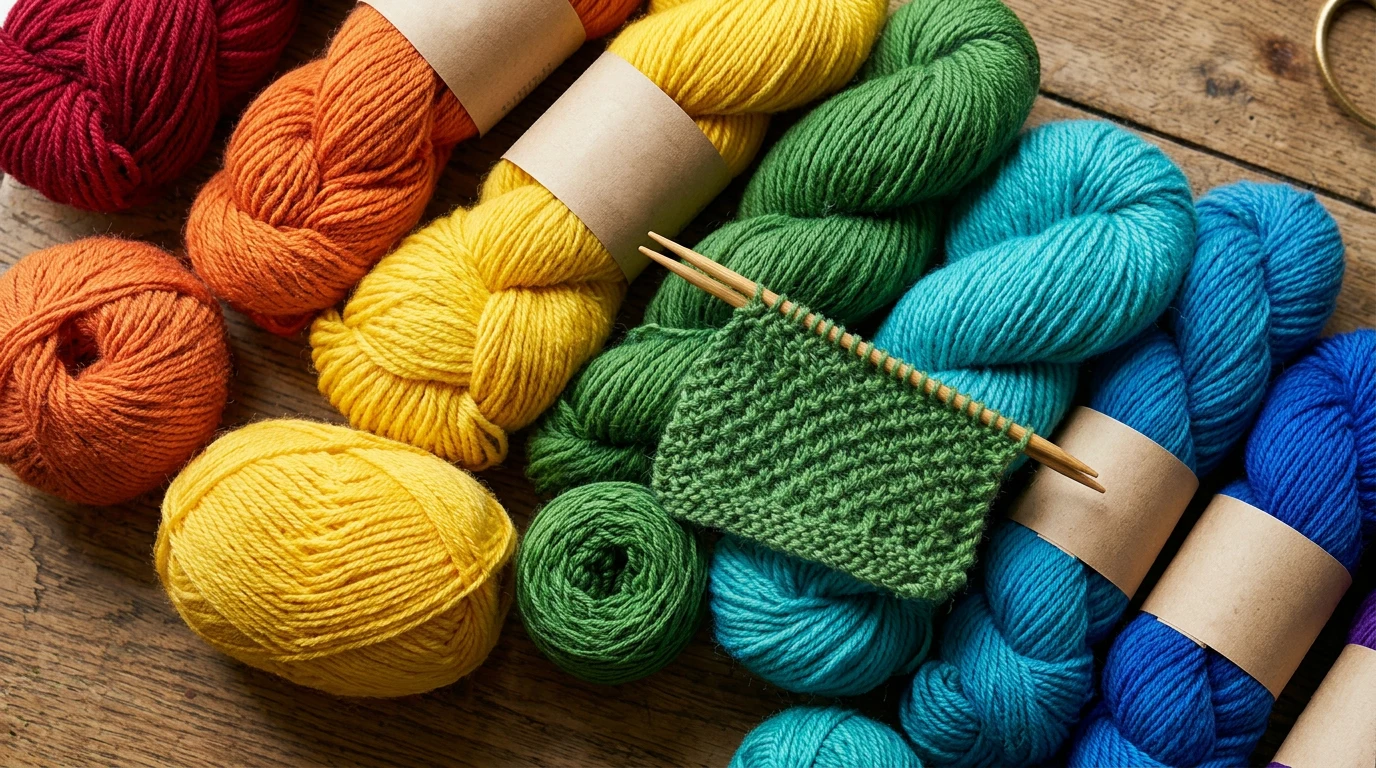
Bernat Blanket is one of the most satisfying yarns for beginners because you see progress quickly. A throw blanket might take 10 to 15 hours of crochet time rather than 50 or more with worsted weight. The yarn is available in a sophisticated palette of solids and multicolors.
The caveat: chenille yarn can be tricky. Stitches are harder to see and count (the plush texture hides stitch definition), and frogging (unraveling) is frustrating because the yarn tangles. It’s also not suitable for detailed stitch patterns. Stick to simple stitches like single crochet, half double crochet, or basic granny squares.
Pros:
- Incredibly soft, plush finished fabric
- Works up very quickly (super bulky weight)
- Professional-looking finished blankets
- Machine washable
Cons:
- Stitches are hard to see and count
- Difficult to frog without tangling
- Not suitable for detailed stitch patterns
- More expensive per project than standard yarns
5. Paintbox Yarns Cotton DK
Best yarn for amigurumi. Understanding 8 best yarns for crochet is key to a great craft hobby.
Paintbox Yarns Cotton DK (available through LoveCrafts) has become a favorite in the amigurumi community for good reason. The 100% cotton creates firm, defined stitches that show off the shaping detail of stuffed animals and figures. The color range is extraordinary, with over 60 solid shades that are consistent across dye lots.
For amigurumi, stitch definition and firmness are priorities. You want stuffing to stay inside, not peek through loose stitches. Cotton’s lack of stretch (a disadvantage for garments) becomes an advantage here, creating a tighter fabric at the same hook size compared to acrylic. The DK weight pairs perfectly with a 3.5mm or 4.0mm hook for amigurumi.
Reviewers consistently praise the color selection and the value for a high-quality cotton. The yarn is smooth, doesn’t split easily, and produces professional-looking finished pieces. The machine washability (cold, gentle cycle) is a bonus for toys that children will inevitably get dirty.
Pros:
- Excellent stitch definition for amigurumi
- Massive color range (60+ solid colors)
- Consistent across dye lots
- Smooth, non-splitty
- Good value for quality cotton
Cons:
- Only available online (LoveCrafts)
- Less elastic than acrylic
- Can be hard on hands during long sessions
6. Malabrigo Rios
Best premium yarn for garments and special projects.
When you’re ready to invest in a special project, Malabrigo Rios is the yarn that makes crocheters fall in love with their craft all over again. This 100% superwash merino wool is sumptuously soft, comes in stunning hand-dyed colorways, and creates fabric with beautiful depth and dimension.
Rios is superwash-treated, meaning it can be machine washed without felting. This makes it one of the most practical luxury wools available. The single-ply construction creates a slightly rustic look with beautiful stitch definition. The hand-dyed colorways range from rich solids to complex variegated combinations.
This is not a beginner practice yarn. It’s the yarn you use when you want the finished product to be something truly special: a shawl, a cardigan, a gift hat. Buyer reviews are almost universally enthusiastic, with people describing the yarn as “addictive” and “worth every penny.”
Pros:
- Exceptionally soft superwash merino
- Gorgeous hand-dyed colorways
- Machine washable (for a wool)
- Beautiful stitch definition
- Natural elasticity makes crocheting a pleasure
Cons:
- Premium price (not for practice projects)
- Limited yardage per skein (210 yards)
- Hand-dyed lots can vary (buy enough for your project at once)
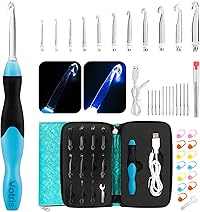
- 【Adjustable Brightness & Comfortable Hold】Enjoy the perfect combination of adjus
- 【Versatile Crochet Kit】Our light up crochet hook kit includes 11 interchangeable
- 【Beginner-Friendly Crochet Kit】Our light up crochet hook kit is specifically des
7. Lion Brand Mandala
Best self-striping yarn for effortless color changes.
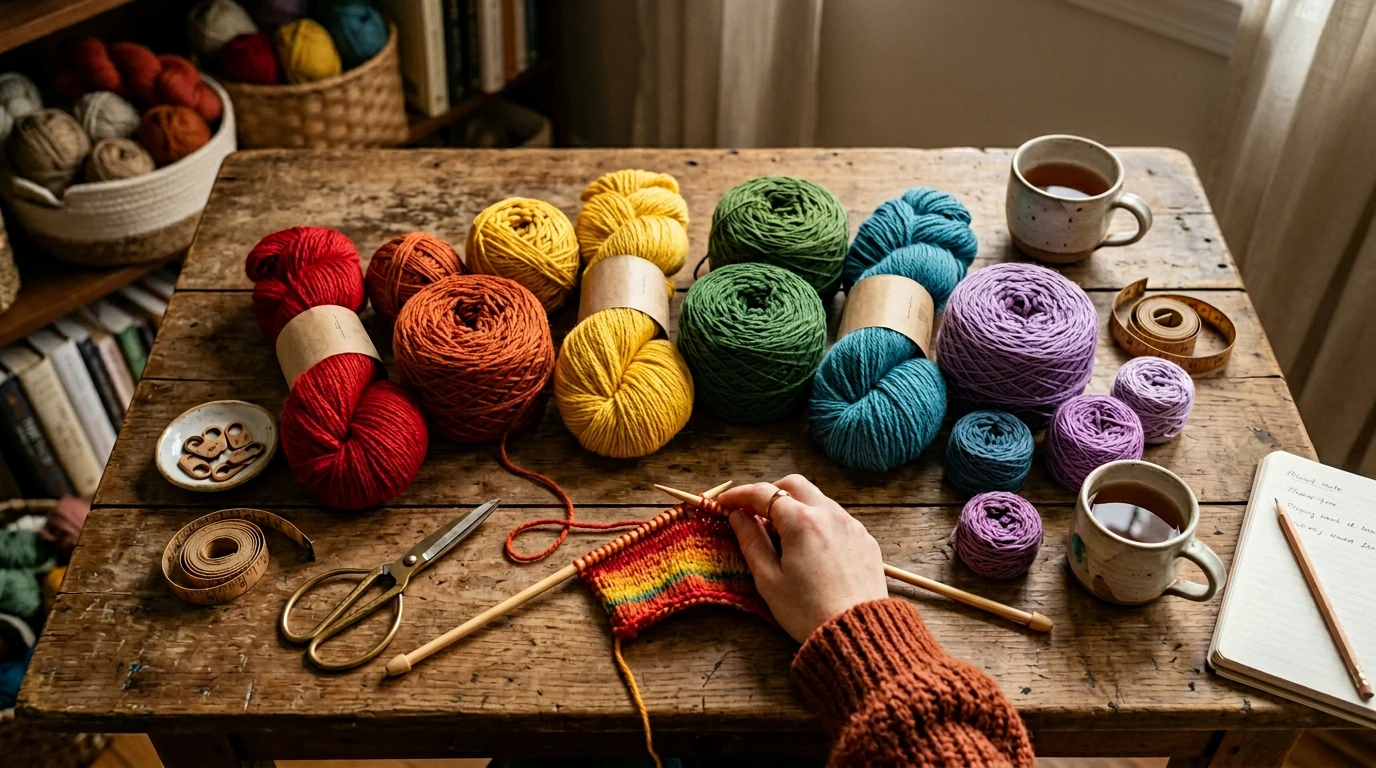
If you love the look of color-changing projects but don’t want to deal with cutting yarn and weaving in dozens of ends, Lion Brand Mandala is your answer. These cake-style yarn balls contain long color gradients that change automatically as you crochet. One cake contains 590 yards, enough for most shawl or small blanket projects.

Mandala is a DK-weight acrylic that’s smooth, easy to work with, and produces beautiful gradient effects without any effort. The colorways are thoughtfully designed, with each one featuring 5 to 7 colors that flow into each other. The fabric is lightweight with a nice drape.
Crocheters use Mandala for shawls, blankets, scarves, and garments. The gradient effect is particularly stunning in triangular shawls and granny square blankets. Buyers frequently mention receiving compliments on finished Mandala projects from non-crafters who assume the color changes were done manually. When it comes to 8 best yarns for crochet, preparation matters most.
Pros:
- Automatic color changes (no ends to weave)
- Generous 590 yards per cake
- Beautiful curated colorways
- Smooth and easy to crochet with
- Machine washable
Cons:
- Color placement is unpredictable in multi-piece projects
- DK weight may be thinner than some patterns expect
- Some colorways have abrupt color transitions
8. Scheepjes Whirl
Best gradient yarn for shawls and statement pieces.
For crocheters who want the most seamless, professional gradient effect available, Scheepjes Whirl is in a class of its own. This Dutch yarn features incredibly smooth color transitions across a massive 1000 meters (over 1090 yards) per cake. The gradient is so gradual that you can’t tell where one color ends and the next begins.
Whirl is a cotton/acrylic blend (60% cotton, 40% acrylic) in a fine/sport weight. The cotton content gives it a lovely drape and stitch definition, while the acrylic adds softness and ease of care. The yarn is 4-ply and smooth, working beautifully on the hook.
This is a yarn for special projects: statement shawls, ombre blankets, garments where the color gradient is the main design feature. With over 1000 meters per cake, many shawl patterns only require a single cake. Buyers describe it as “the most beautiful yarn I’ve ever worked with” across multiple review platforms.
Pros:
- Unmatched gradient smoothness
- Enormous yardage per cake (1090+ yards)
- Cotton/acrylic blend offers best of both
- Stunning colorway options
- Excellent stitch definition
Cons:
- Premium price point
- Fine weight takes longer to work up
- Not widely available in brick-and-mortar stores
- One cake = one colorway (hard to get matching cakes)
How to Choose Yarn for Your Project
Here’s a quick decision guide:
- Blankets: Bernat Blanket for cozy throws, Red Heart Super Saver for durable everyday blankets
- Garments and accessories: Caron Simply Soft for budget, Malabrigo Rios for premium
- Kitchen items: Lily Sugar’n Cream
- Amigurumi: Paintbox Cotton DK
- Shawls and gradient projects: Scheepjes Whirl or Lion Brand Mandala
- Practice and learning: Red Heart Super Saver in a light solid color
Frequently Asked Questions
What is the best yarn for beginners learning to crochet?
Medium-weight (worsted, category 4) acrylic yarn in a light, solid color is the best choice for learning. The light color makes stitches easy to see, and acrylic is forgiving, affordable, and smooth on the hook. Red Heart Super Saver or Caron Simply Soft in cream, light gray, or pastel are all excellent learning yarns.
Is cotton or acrylic better for crochet?
Neither is universally better. Acrylic is easier to work with (more elastic, forgiving of tension inconsistencies) and better for blankets, toys, and beginner projects. Cotton provides better stitch definition and is ideal for dishcloths, summer garments, and amigurumi. Many crocheters keep both in their stash for different project types.
How much yarn do I need for a blanket?
For a throw blanket (50 x 60 inches) in worsted weight, plan for approximately 2,500 to 3,500 yards. In super bulky yarn like Bernat Blanket, you’ll need around 900 to 1,200 yards. Always buy more than you think you’ll need, from the same dye lot, to avoid running short. Leftover yarn can always be used for smaller projects.
What does “superwash” mean on yarn labels?
Superwash means the wool has been treated to prevent felting and shrinking in the washing machine. Regular wool will felt (the fibers lock together permanently) if exposed to heat, agitation, and moisture. Superwash wool can be machine washed on a gentle cycle, making it much more practical for everyday items like hats, scarves, and blankets.
Can I substitute a different yarn than what a pattern calls for?
Yes, as long as you match the yarn weight category and check your gauge. If a pattern calls for a specific worsted-weight yarn, any worsted-weight yarn will work, though the finished look and feel may differ slightly. Always make a gauge swatch with your substitute yarn to ensure your project will be the correct size. The fiber content will affect drape, warmth, and washability, so consider what properties matter for your specific project.
What yarn weight should I choose if I’m new to crochet?
For beginners, category 4 (worsted/medium weight) is your best starting point. It works with the widest range of patterns, is easy to handle, and produces results quickly so you stay motivated.
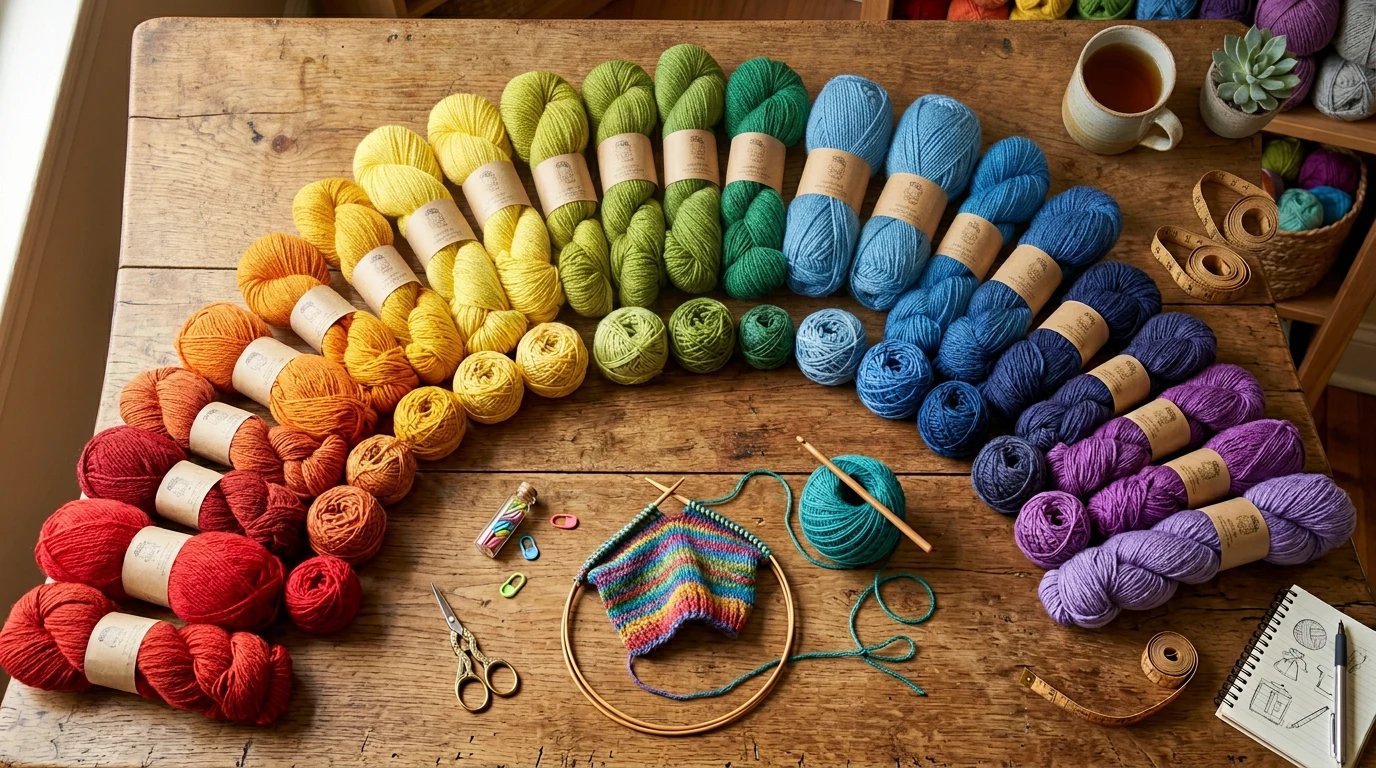
How do I pick the best yarns for crochet based on what I’m making?
The right yarn depends on your project type and desired outcome. For example, use super fine yarns for delicate shawls and socks, worsted weight for blankets and hats, and bulky yarn for quick projects like chunky scarves or home decor items.
What’s the difference between yarn weight and how heavy the skein feels?
Yarn weight refers to the thickness of the strand itself, not the weight of the entire ball or skein. A thick strand (bulky yarn) creates projects faster, while a thin strand (fingering weight) creates more delicate, detailed work.
Should I choose acrylic yarn or natural fibers for my crochet projects?
Acrylic yarn is affordable, machine washable, and comes in a huge color range, but it can feel synthetic. Your choice depends on your budget, how you plan to care for the finished piece, and whether you prefer natural fiber feel over practicality.


These statements have not been evaluated by the Food and Drug Administration. This information is not intended to diagnose, treat, cure, or prevent any disease. Content is for informational purposes only and is not medical advice; consult a qualified healthcare provider before starting any supplement. As an Amazon Associate we earn from qualifying purchases.
