Quilting has a reputation for being an expensive hobby, and it can be if you buy every new fabric collection and the latest gadgets. But it does not have to be. Quilters have been making beautiful quilts from affordable materials for centuries, and today there are more ways than ever to enjoy this craft without emptying your wallet.
This guide shares practical strategies for finding affordable fabric, stretching your supply budget, and making quilting accessible regardless of your financial situation.
Our reviews are based on aggregated verified buyer feedback, manufacturer specifications, and published expert opinion. Products are not independently tested by our team.
Is Quilting an Expensive Hobby?
The honest answer is: it depends on how you approach it. The startup costs are moderate. A basic sewing machine, rotary cutter, ruler, mat, and some fabric can get you started for $200 to $300 total if you shop smartly. The ongoing costs are primarily fabric and thread, which vary enormously based on your buying habits.
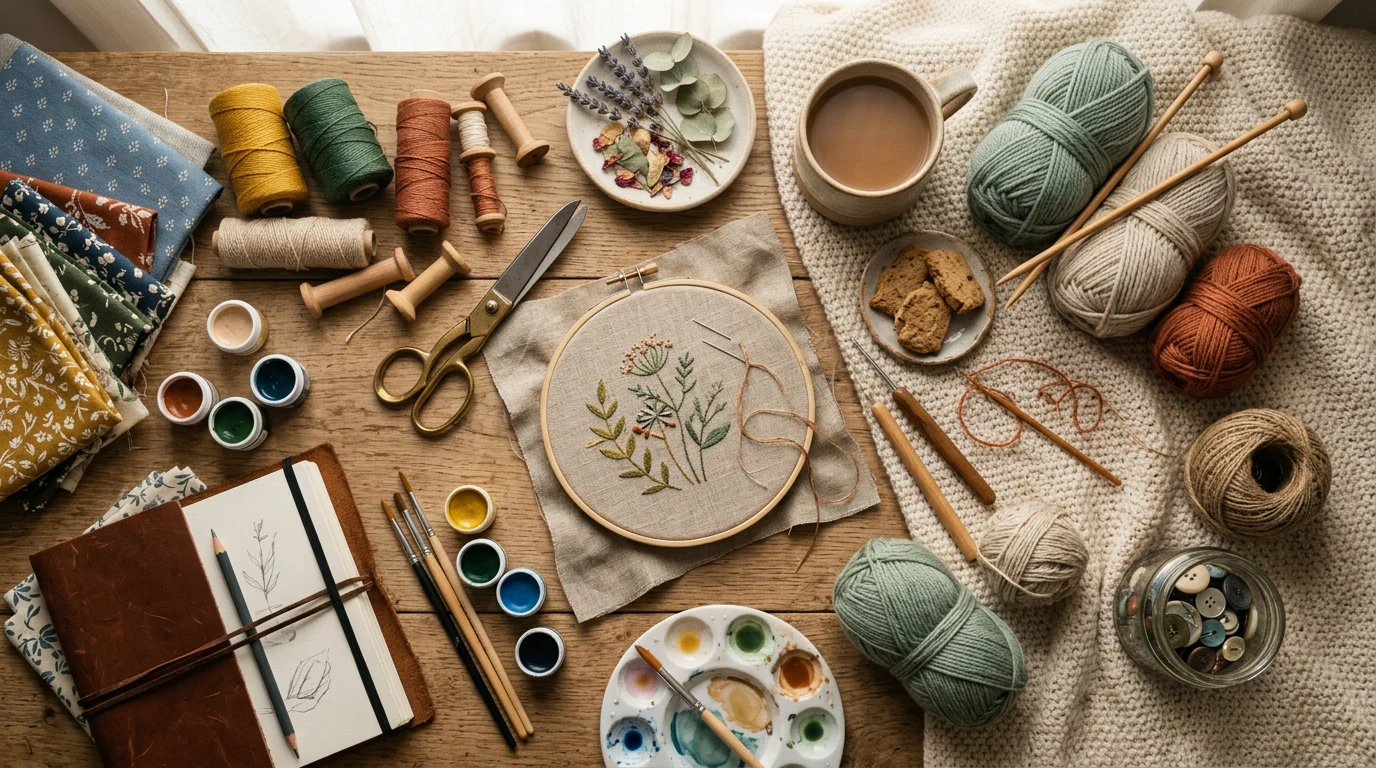
A single lap quilt might cost $30 in fabric if you use budget materials and sale fabric, or $150 or more if you use premium designer fabric. The finished quilt is the same size either way. Understanding where quality matters and where you can save is the key to quilting affordably.
Here is a reality check on where the money goes in a typical quilt:
| Component | Budget Option | Mid-Range | Premium |
|---|---|---|---|
| Fabric (lap quilt top) | $15-25 | $35-60 | $80-150 |
| Backing fabric | $8-12 | $15-25 | $25-40 |
| Batting | $8-12 | $15-20 | $25-40 |
| Binding fabric | $3-5 | $5-8 | $8-12 |
| Thread | $3-5 | $5-8 | $12-15 |
| Total per quilt | $37-59 | $75-121 | $150-257 |
Where to Find Affordable Quilting Fabric
Online Discount Retailers
Connecting Threads (connectingthreads.com) offers house-brand quilting cotton at significantly lower prices than designer fabric, often $5 to $7 per yard versus $12 to $15 for comparable quality. Their fabric bundles and sale sections offer additional savings. Buyers consistently report that the fabric quality is good for everyday quilting.
Missouri Star Quilt Co runs daily deals on pre-cuts, and their prices on jelly rolls and charm packs are often the lowest available. Sign up for their email list to catch clearance sales. Their YouTube tutorials are also free, which saves money on classes and books.
Big Box Craft Stores
Joann Fabrics frequently offers 40 to 60 percent off coupons that work on regular-price fabric. Their quilting cotton selection has improved significantly and includes brands like Riley Blake and Waverly at competitive prices when coupons are applied. Download the Joann app for the best coupon access. Hobby Lobby offers consistent 30 percent off on fabric and does not require coupons.
Thrift Stores and Estate Sales
Thrift stores occasionally carry fabric, especially in areas with active quilting communities. Estate sales from quilters’ collections can yield premium fabric at a fraction of retail price. Check the fabric section regularly because good finds come and go quickly. Also look for flat sheets in 100 percent cotton as affordable quilt backing material.
Quilt Shop Remnant Bins
Local quilt shops often have remnant bins or clearance shelves with end-of-bolt pieces at 50 percent or more off. These shorter cuts are perfect for adding variety to scrappy quilts and building your fabric stash at a fraction of full price. Building a friendly relationship with your local quilt shop staff often leads to advance notice of upcoming sales.
Using Coupons and Sales Strategically
Strategic shopping multiplies your fabric budget without sacrificing quality.
Stock Up During Sales
The best time to buy batting is during holiday sales (Black Friday, Memorial Day). Buy in bulk when it is on sale because batting does not expire and stores compactly. Thread also goes on sale seasonally, and Aurifil thread sets offered during holiday promotions can save 30 to 40 percent compared to individual spool purchases.
Use Rewards Programs
Joann, Connecting Threads, and Fat Quarter Shop all have rewards programs that earn points toward future purchases. If you are going to buy from these retailers anyway, enrolling in their free rewards programs gives you money back on every purchase.
Buy Off-Season
Holiday fabric goes on clearance after each season. Christmas fabric in January, autumn prints in November, and summer designs in September are all available at deep discounts. If you plan ahead and buy seasonal fabric a year in advance, you can save 60 to 70 percent.
Repurposing Fabric From Old Clothes and Linens
Some of the most meaningful quilts are made from repurposed materials. Using fabric from old clothes, bed sheets, and household textiles adds personal history to your quilts and costs nothing.
What Works for Quilting
Cotton shirts, dresses, and skirts in good condition work well for quilting. Bed sheets in 100 percent cotton make excellent quilt backs and can provide large amounts of matching fabric inexpensively. Cotton tablecloths and napkins add interesting textures and prints. Lightweight cotton curtains can be repurposed if they are in good condition.
What to Avoid
Avoid mixing fabric weights and types in the same quilt. A stretchy knit t-shirt next to a crisp cotton shirt creates puckering and uneven wear. Stick to similar weight fabrics within each project. Also avoid fabric that is worn thin, stained, or has been through many wash cycles because it will not hold up to the stress of quilting seams.
Memory Quilts
Repurposed fabric is perfect for memory quilts made from a loved one’s clothing, baby clothes, or meaningful garments. These quilts carry emotional value that no store-bought fabric can match. Use fusible interfacing on the back of stretchy or delicate fabrics to stabilize them for quilting. For more ideas on meaningful quilting projects, explore our complete beginner’s guide.
Budget-Friendly Quilting Tool Alternatives
You do not need the most expensive version of every tool. Here are smart alternatives.
Ironing surface: A folded towel on a table works as a pressing surface if you do not have a wool pressing mat. It is not ideal, but it gets the job done for your first project.
Design wall: A flannel-backed tablecloth pinned to a wall costs about $5 from a dollar store. It works just as well as a $50 commercial design wall.
Thread: Gutermann and Coats and Clark thread cost half what Aurifil costs and work perfectly well for piecing. Save the premium thread for machine quilting where stitch visibility matters more.
Sewing machine: A used sewing machine from a thrift store, garage sale, or Facebook Marketplace can cost $20 to $50 and work perfectly for quilting. Older mechanical machines are often more durable than new budget machines. Have it serviced for $40 to $60 and you have a reliable quilting machine for under $100.
Cutting tools: Do not skimp on your rotary cutter, ruler, and mat. These are the tools where quality directly affects your quilting accuracy. However, buy only the sizes you need right now. A 45mm cutter, one rectangular ruler, and an 18 by 24 mat cover all beginner needs. Our tools guide details budget starter kits.
Free and Cheap Pattern Resources
You never need to pay for patterns as a beginner. The quilting community is generous with free resources.
YouTube: Missouri Star Quilt Company and Jordan Fabrics publish hundreds of free video tutorials with full-size quilt patterns. These tutorials walk you through every step and are completely free.
Quilting websites: AllPeopleQuilt.com, QuiltingDaily.com, and FaveQuilts.com offer extensive libraries of free patterns. Many fabric companies also publish free patterns designed to showcase their collections.
The library: Check out quilting books from your local library before buying them. Most libraries have a quilting section, and you can copy pattern templates and return the book. This lets you try many different patterns without buying a single book. Browse our free quilting patterns collection for more options.
Fabric Swap Groups and Communities
The quilting community has a wonderful tradition of fabric swapping and sharing. According to the National Quilting Association, quilt guilds across the country organize regular fabric swaps, charity sewing days, and fabric destash events.
Local Quilt Guilds
Most quilt guilds host periodic fabric swaps where members bring fabric they no longer want and trade for pieces they do. Annual dues typically run $25 to $50 and include access to workshops, lectures, swaps, and community. Many guilds also maintain a lending library of quilting books and tools.
Online Groups
Facebook groups like “Quilting Fabric Destash” and “Quilters Swap and Sell” connect quilters who want to buy, sell, or trade fabric at below-retail prices. Reddit’s r/quilting community also facilitates swaps. These groups are excellent sources of designer fabric at discounted prices from quilters who overbought or changed their project plans.
Building Your Stash Without Breaking the Bank
A fabric stash is a collection of fabric you have on hand, ready for projects. Building a stash gradually means you always have fabric available when inspiration strikes, without needing to make a special purchase for every project.
The Monthly Budget Approach
Set a small monthly fabric budget, even $10 to $20 per month, and buy one or two pieces that catch your eye during sales. Over a year, you will accumulate a diverse stash without any single purchase feeling extravagant. Focus on building a range of colors and values (lights, mediums, and darks) so you have options for any project.
Scraps Are Gold
Save your scraps from every project. Even small pieces can be used in scrappy quilts, string quilts, and coin quilts. Organize scraps by color in zip-top bags. When you have enough, make a scrap quilt that costs nothing in new fabric. Some of the most charming quilts are made entirely from scraps.
Focus on Neutrals and Solids
When building a stash on a budget, prioritize neutral solids and near-solids. White, cream, gray, and black fabrics coordinate with virtually any print and are used in most quilt patterns. A few yards of good neutral solids stretch your stash further than any print because they pair with everything.
Frequently Asked Questions
What is the cheapest way to start quilting?
The cheapest way is to borrow a sewing machine, buy a basic rotary cutter set ($30-40), use repurposed fabric from old clothing or sheets, and follow free YouTube tutorials. Many quilters have started for under $50 total by being resourceful. The only purchases that are truly essential are the rotary cutter, ruler, and mat because you cannot replicate their accuracy with scissors and a yardstick.
Is cheap fabric worth it?
Very cheap fabric (under $3 per yard) is often not worth the frustration. It tends to have a loose weave that frays excessively, stretches during cutting, and does not hold seams well. However, mid-range fabric ($5-8 per yard) from stores like Connecting Threads or Joann with coupons is perfectly good for quilting. The sweet spot is paying enough for quality without paying premium prices for designer names.
How do I save on batting?
Buy batting by the roll instead of by the package. A roll of Warm and Natural cotton batting (90 inches wide by 40 yards) costs significantly less per yard than packaged crib or twin-size pieces. If you plan to make multiple quilts, this is the most cost-effective approach. Splitting a roll with quilting friends makes the upfront cost manageable. For help choosing the right batting type, see our batting comparison guide.
Frequently Asked Questions
How much does it cost to start quilting as a beginner?
You can get started with quilting for $200 to $300 total if you shop smartly. This covers a basic sewing machine, rotary cutter, ruler, mat, and some fabric to begin your first project.
What’s the actual cost difference between budget and premium quilting materials?
A single lap quilt can cost anywhere from $37 to $59 with budget materials, while the same sized quilt using premium designer fabrics ranges from $150 to $257. The finished quilt is the same size regardless of material choice, so understanding where quality matters helps you save money.
Where can I find affordable fabric and supplies for quilting on a budget?
Online discount retailers like Connecting Threads offer house-brand quilting cotton at significantly lower prices than designer fabric. Shopping sales, using budget materials, and buying strategically are key ways to stretch your quilting supply budget.
Is quilting really an expensive hobby, or can I do it affordably?
Quilting doesn’t have to be expensive if you approach it thoughtfully. Quilters have been making beautiful quilts from affordable materials for centuries, and today there are more ways than ever to enjoy this craft without emptying your wallet by understanding where to save and what quality matters most.