Creating handmade soap gifts is one of the most thoughtful and personal ways to show someone you care. Whether you’re preparing for the holidays, celebrating a birthday, or simply want to surprise a friend with a lovely hostess gift, handmade soaps combine practicality with heartfelt sentiment. The wonderful thing about soap making is that it allows you to customize every aspect – from the fragrance and colors to the ingredients and packaging – making each gift truly unique.
Our reviews are based on aggregated verified buyer feedback, manufacturer specifications, and published expert opinion. Products are not independently tested by our team.
Why Handmade Soap Makes a Perfect Gift
Handmade soap gifts offer something that store-bought presents simply can’t match – the personal touch of something created with love and intention. When you make soap yourself, you control every ingredient that goes into it, ensuring that your gifts are free from harsh chemicals and filled with nourishing elements that benefit the skin.
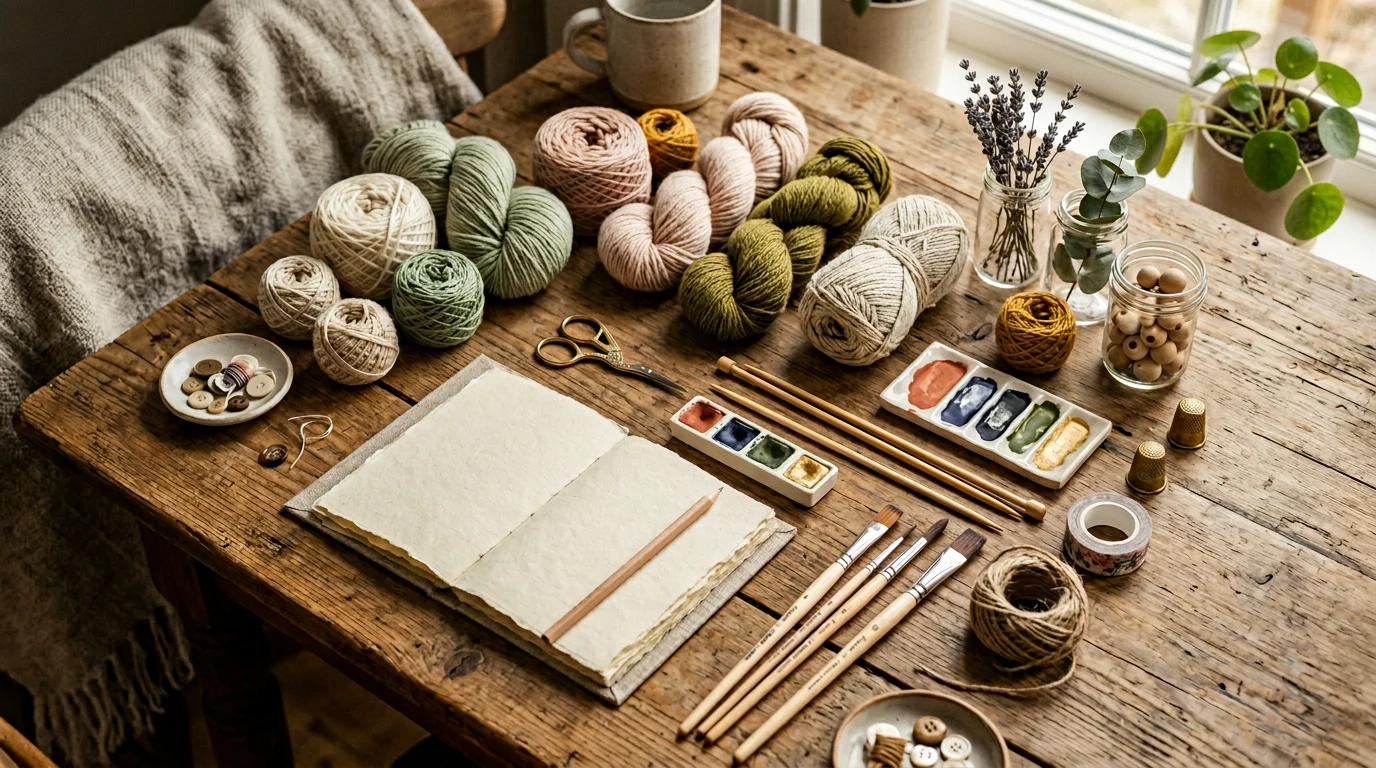
The beauty of handmade soap gifts lies in their versatility. They’re appropriate for virtually any occasion and recipient – from your grandmother who loves lavender to your teenage niece who adores citrus scents. Buyers consistently report that handmade soaps feel more luxurious than commercial alternatives, with many noting the superior lather and skin-softening properties.
Another compelling reason to choose handmade soap as gifts is the cost-effectiveness. A single batch of soap can yield multiple gift-worthy bars at a fraction of the cost of purchasing equivalent luxury soaps from boutique retailers. This makes it possible to create beautiful, meaningful gifts for your entire gift list without breaking the budget.
The process of soap making itself can be incredibly meditative and rewarding. Many crafters find that the time spent creating these gifts becomes a cherished ritual, especially during busy holiday seasons when stress levels run high. The methodical nature of measuring, mixing, and molding provides a peaceful counterpoint to the hustle and bustle of daily life.
Lavender Relaxation Soap Recipe
Lavender soap is perhaps the most universally beloved handmade soap gift, and for good reason. The calming properties of lavender essential oil make this soap perfect for evening routines or stress relief. This recipe uses a melt-and-pour base, making it beginner-friendly while still producing professional-quality results.
For this lavender relaxation soap, you’ll need Bramble Berry melt-and-pour soap base, which reviewers consistently praise for its quality and ease of use. The clear or white base works equally well, though white provides a more traditional lavender soap appearance.
Ingredients needed:
- 2 pounds Bramble Berry white melt-and-pour soap base
- 1 tablespoon dried lavender buds
- 30 drops lavender essential oil (Bulk Apothecary offers excellent quality)
- Purple soap colorant (Nurture Soap liquid colorants work beautifully)
- 1 tablespoon sweet almond oil for extra moisturizing
Instructions:
Begin by cutting your soap base into small, uniform cubes to ensure even melting. Place these in a microwave-safe container and heat in 30-second intervals, stirring between each session until completely melted. Avoid overheating, as this can cause the soap to become cloudy or develop an unpleasant odor.
Once melted, allow the soap to cool slightly before adding your essential oil and colorant. Add just a few drops of purple colorant at a time – a little goes a long way, and you can always add more. Stir gently to avoid creating bubbles, then add your dried lavender buds and sweet almond oil.
Pour the mixture into your chosen molds – Crafter’s Choice soap molds are highly rated by soap makers for their durability and easy release properties. Allow the soap to cool completely before removing from molds, typically 2-4 hours depending on the size of your bars.
Citrus Energizing Soap Recipe
Bright, invigorating citrus soaps make wonderful morning-use gifts and are particularly appreciated during the darker winter months. This energizing blend combines multiple citrus essential oils for a complex, uplifting fragrance that buyers report helps them feel more alert and positive.
The key to successful citrus soap lies in balancing the different citrus oils and using appropriate colorants to create that vibrant, sunny appearance. Stephenson melt-and-pour bases work exceptionally well for citrus soaps, as they don’t interfere with the bright, clean scent profile.
Ingredients for citrus energizing soap:
- 2 pounds Stephenson clear melt-and-pour base
- 15 drops sweet orange essential oil
- 10 drops lemon essential oil
- 5 drops grapefruit essential oil
- Orange and yellow liquid colorants
- Dried orange peel (finely ground)
- 1 tablespoon jojoba oil
The process for creating citrus soap follows the same basic melting and cooling steps as the lavender recipe, but the colorant application requires a bit more artistry. Create a beautiful sunrise effect by mixing orange and yellow colorants, or keep it simple with a solid sunny orange hue.
When adding the ground orange peel, use sparingly – while it adds lovely texture and gentle exfoliation, too much can make the soap scratchy rather than pleasantly textured. Many soap makers find that pulsing dried orange peel in a coffee grinder creates the perfect consistency.
This citrus blend is particularly popular as teacher gifts, housewarming presents, or pick-me-up gifts for friends going through challenging times. The energizing properties of citrus oils are well-documented, and recipients often comment on how the soap brightens their morning routine.
Oatmeal Honey Soothing Soap Recipe
Oatmeal honey soap represents the ultimate in gentle, nourishing skincare. This recipe is particularly perfect for those with sensitive skin or anyone who appreciates natural, wholesome ingredients. The combination of oatmeal’s gentle exfoliation and honey’s moisturizing properties creates a soap that buyers consistently describe as luxurious and soothing.
According to the FDA’s guidance on cosmetic ingredients, oatmeal has been recognized for its skin-soothing properties for generations, making it an excellent choice for sensitive skin formulations.
Ingredients for oatmeal honey soap:
- 2 pounds Bramble Berry goat milk melt-and-pour base
- 2 tablespoons finely ground oatmeal
- 2 tablespoons raw honey
- 1 tablespoon vanilla extract
- Tan or cream liquid colorant
- 1 tablespoon coconut oil
The secret to perfect oatmeal honey soap lies in preparing your oatmeal correctly. Grind rolled oats in a food processor until they reach a fine, flour-like consistency. This ensures the soap won’t be too rough while still providing gentle exfoliation. Some soap makers prefer to leave a few slightly larger pieces for added texture, which can be very appealing.
When incorporating honey, work quickly but gently. Honey can cause the soap to heat up and potentially develop an unpleasant odor if overheated. Stir the honey into the melted soap base when it’s slightly cooled but still workable, then quickly add your other ingredients.
The vanilla extract adds a warm, comforting scent that pairs beautifully with the honey’s natural sweetness. This soap is particularly appreciated by older recipients, as the gentle formulation is ideal for mature skin that may be more sensitive to harsh cleansers.
Holiday-Themed Soap Ideas
Creating holiday-themed handmade soap gifts allows you to capture the magic of the season in a practical, beautiful present. Each holiday offers unique opportunities for creative soap designs, scents, and presentations that recipients will treasure long after the festivities end.
For Christmas soaps, consider classic scent combinations like peppermint and vanilla, cinnamon and orange, or pine and eucalyptus. Bramble Berry fragrance oils offer an extensive collection of holiday scents that maintain their potency in soap applications. Colors can reflect traditional holiday palettes – deep reds and greens, gold and silver, or winter white with blue accents.
Halloween presents opportunities for fun, spooky soap creations. Orange and black color schemes work beautifully, and scents like patchouli, cedarwood, or even a custom “witch’s brew” blend can add mysterious appeal. Mold Market silicone molds offers specialty Halloween shapes that can make your soaps true conversation pieces.
Spring holidays call for fresh, floral, and light scents. Easter soaps can incorporate pastel colors and gentle fragrances like rose, jasmine, or fresh grass. Mother’s Day soaps might feature elegant rose or peony scents with sophisticated color combinations in pink, cream, and gold.
Summer celebration soaps can embrace bright, energetic themes. Think tropical fruits for graduation parties, red, white, and blue for Fourth of July, or fresh herb combinations for summer hostess gifts. The key is matching the soap’s personality to the celebration’s spirit.
Gift Packaging and Wrapping
The presentation of your handmade soap gifts is just as important as the soap itself. Beautiful packaging elevates your homemade creation to professional gift status and shows the recipient how much thought and care went into their present. The good news is that effective soap packaging doesn’t require expensive materials or complicated techniques.
Simple kraft paper boxes are one of the most popular packaging options among soap makers. These boxes protect the soap while allowing you to add personal touches through ribbons, stamps, or decorative labels. Wholesale Supplies Plus offers a variety of eco-friendly packaging options that soap makers consistently rate highly for both functionality and appearance.
Cellophane bags provide another excellent packaging option, particularly for oddly shaped soaps or when you want the recipient to see the soap’s colors and design immediately. Heat-sealable bags create a professional finish, while twist-tie bags offer simplicity and easy opening for the recipient.
For a more rustic, homespun appearance, consider wrapping individual bars in parchment paper tied with natural twine or ribbon. This approach works particularly well for oatmeal honey or lavender soaps where the natural, wholesome image aligns perfectly with simple, eco-friendly packaging.
Tissue paper wrapping creates an elegant, boutique-style presentation. Choose colors that complement your soap’s appearance – white tissue for classic appeal, colored tissue to match the soap’s theme, or even patterned tissue for festive occasions. Finish with a coordinating ribbon and a small gift tag for a polished look.
Creating Soap Gift Sets
Soap gift sets offer exceptional value and appeal, allowing you to showcase multiple scents and styles while creating a more substantial present. The key to successful soap gift sets lies in thoughtful curation – choosing soaps that work together thematically while offering variety in scent, texture, or appearance.
Consider creating themed sets based on daily routines. An “Energize Your Day” set might include citrus morning soap, lavender evening soap, and an exfoliating oatmeal honey soap for weekly treatments. This approach gives the recipient a complete soap experience while demonstrating thoughtful planning on your part.
Seasonal sets work beautifully for holiday giving. A spring set could feature floral soaps in complementary scents like rose, lavender, and jasmine. Winter sets might combine warming scents like cinnamon, vanilla, and pine. Summer sets could embrace fresh, clean scents like mint, citrus, and ocean breeze.
Size variety adds visual interest and practical value to gift sets. Include one larger bar for everyday use, a guest-sized bar for travel, and perhaps a small decorative soap for special occasions. Nature’s Garden soap supplies offers molds in various sizes that work perfectly for creating coordinated gift sets.
Packaging soap gift sets requires larger containers or creative bundling solutions. Decorative boxes, wicker baskets, or even reusable containers like mason jars can house your soap sets beautifully. The container becomes part of the gift, adding value and utility beyond the soaps themselves.
Labels and Tags for Professional Presentation
Professional-looking labels and tags transform homemade soaps from craft projects into boutique-quality gifts. These finishing touches communicate care, attention to detail, and respect for the recipient. The information you include on labels also ensures safe use and demonstrates your knowledge of soap making.
Essential label information includes the soap’s name, key ingredients, your name as the maker, and the date of creation. For soaps containing potential allergens or strong essential oils, include appropriate warnings or usage suggestions. This information protects both you and the gift recipient while appearing professional and thoughtful.
Design-wise, keep labels clean and readable. Simple fonts work better than ornate scripts, especially for ingredient lists and instructions. Color coordination between labels and soap themes creates visual harmony – earthy tones for oatmeal honey soap, purple accents for lavender soap, bright colors for citrus varieties.
Printable label sheets offer convenience and consistency for multiple soap gifts. Many soap makers create master templates that can be customized for different soap varieties, ensuring brand consistency across their gift collection. Waterproof labels are essential if soaps might encounter moisture during storage or use.
Gift tags provide space for personal messages while maintaining the professional appearance of your soap gifts. Simple cardstock tags can be customized with stamps, stickers, or hand-lettering to match your soap’s theme. Including care instructions on tags – such as “Keep in a dry place” or “Use within one year” – shows professionalism and consideration.
For ongoing gift-giving or if you plan to sell your soaps, consider developing a simple logo or design motif that appears on all your labels and tags. This creates brand recognition and makes your soap gifts instantly recognizable to recipients who have enjoyed them before.
Storage and Longevity Tips
Proper storage of your handmade soap gifts ensures they maintain their quality, scent, and appearance until presentation time. Understanding how to preserve your soaps also allows you to make them well in advance of gift-giving occasions, reducing last-minute stress and allowing for proper curing time.
Melt-and-pour soaps should be wrapped within a few days of creation to prevent moisture absorption from the air. These soaps are hygroscopic, meaning they naturally draw moisture from their environment, which can cause them to become sticky or develop an unpleasant texture if left unwrapped too long.
Temperature control plays a crucial role in soap storage. Extreme heat can cause soaps to soften or lose their shape, while very cold temperatures might make them brittle. Room temperature storage in a consistent environment works best for maintaining soap quality over extended periods.
Light exposure can fade colors and degrade essential oils over time, so store wrapped soaps in boxes or dark containers until gift-giving time. This is particularly important for soaps colored with natural ingredients, which tend to be more light-sensitive than synthetic colorants.
If you’re making soap gifts several months in advance, consider the natural evolution of scents over time. Some essential oil blends become more complex and pleasing after aging, while others might fade or change character. Citrus scents tend to fade faster than woodsy or herbal scents, so plan accordingly when timing your soap making sessions.
What makes handmade soap gifts better than store-bought soap?
Handmade soap gifts offer superior ingredients, customization options, and personal touch that commercial soaps cannot match. Reviewers consistently note that handmade soaps feel more luxurious, create better lather, and provide enhanced moisturizing properties compared to mass-produced alternatives. Additionally, you control every ingredient, ensuring the soap is free from harsh chemicals and tailored to the recipient’s preferences.
How far in advance can I make soap gifts?
Melt-and-pour soaps can be made 2-3 months in advance if properly wrapped and stored. Cold process soaps actually improve with age and can be made 6-12 months ahead. The key is proper packaging immediately after the soap has fully set and cooled, then storing in a cool, dry place away from direct sunlight.
Are there any safety considerations when making soap gifts?
Always include ingredient lists with your soap gifts, especially noting common allergens like nuts, essential oils, or fragrances. If making cold process soap with lye, ensure proper safety equipment and procedures. For melt-and-pour bases, the main concern is avoiding burns from hot melted soap. Always test new recipes on yourself before gifting to others.
What’s the most cost-effective way to package soap gifts?
Simple cellophane bags with twist ties or heat sealing offer the most economical packaging option while still looking professional. Kraft paper wrapped with natural twine provides an eco-friendly, rustic appearance at minimal cost. Buying packaging supplies in bulk from suppliers like Wholesale Supplies Plus significantly reduces per-unit costs for multiple gifts.
Can I make soap gifts if I’m a complete beginner?
Absolutely! Melt-and-pour soap making is perfect for beginners and produces beautiful, professional-quality results. Start with simple recipes using quality bases like Bramble Berry or Stephenson products, and focus on one or two scents and colors initially. Basic melt-and-pour techniques can be mastered in a single afternoon, making it possible to create lovely gifts even as a newcomer to soap making.
How do I prevent my soap gifts from developing white spots or film?
White spots or film typically result from moisture exposure or temperature fluctuations. Wrap soaps completely within 24-48 hours of making to prevent moisture absorption. Store wrapped soaps at consistent room temperature, and avoid areas with high humidity like bathrooms or basements. Using quality melt-and-pour bases and avoiding overheating during the melting process also helps prevent this issue.
Frequently Asked Questions
Is it difficult to make handmade soap gifts if I’ve never done it before?
No, soap making can be beginner-friendly, especially if you start with simple recipes and follow instructions carefully. Many grandmothers find the process meditative and rewarding, and there are plenty of tutorials available to guide you through each step.
What ingredients should I use to make sure my handmade soap is safe for sensitive skin?
When making handmade soap gifts, you have complete control over ingredients, so you can avoid harsh chemicals and choose nourishing elements like natural oils, butters, and essential oils. This makes it easier to create gentle soaps suitable for sensitive skin compared to many commercial alternatives.
How many bars of soap can I get from one batch?
A single batch of soap typically yields multiple gift-worthy bars, making it very cost-effective compared to buying luxury soaps from boutique retailers. The exact number depends on your recipe and how you cut your bars, but most batches produce enough for several gifts.
What are some creative packaging ideas to make my handmade soap gifts look professional?
You can customize your packaging to match the occasion and recipient, using options like kraft paper wrapping, decorative boxes, fabric pouches, or personalized labels. Thoughtful packaging adds to the personal touch and makes your handmade soap gifts feel like luxury items.