Choosing the right fabric is one of the most important decisions you’ll make for your cross stitch project. This comprehensive cross stitch fabric guide will help you understand the differences between Aida cloth, evenweave, and linen, so you can select the perfect foundation for your beautiful needlework.
Our reviews are based on aggregated verified buyer feedback, manufacturer specifications, and published expert opinion. Products are not independently tested by our team.
Why Fabric Choice Matters
The fabric you choose for cross stitch affects everything from how easy it is to count threads to the final appearance of your finished piece. Each type of fabric—Aida cloth, evenweave, and linen—offers unique characteristics that make them suitable for different projects and skill levels.
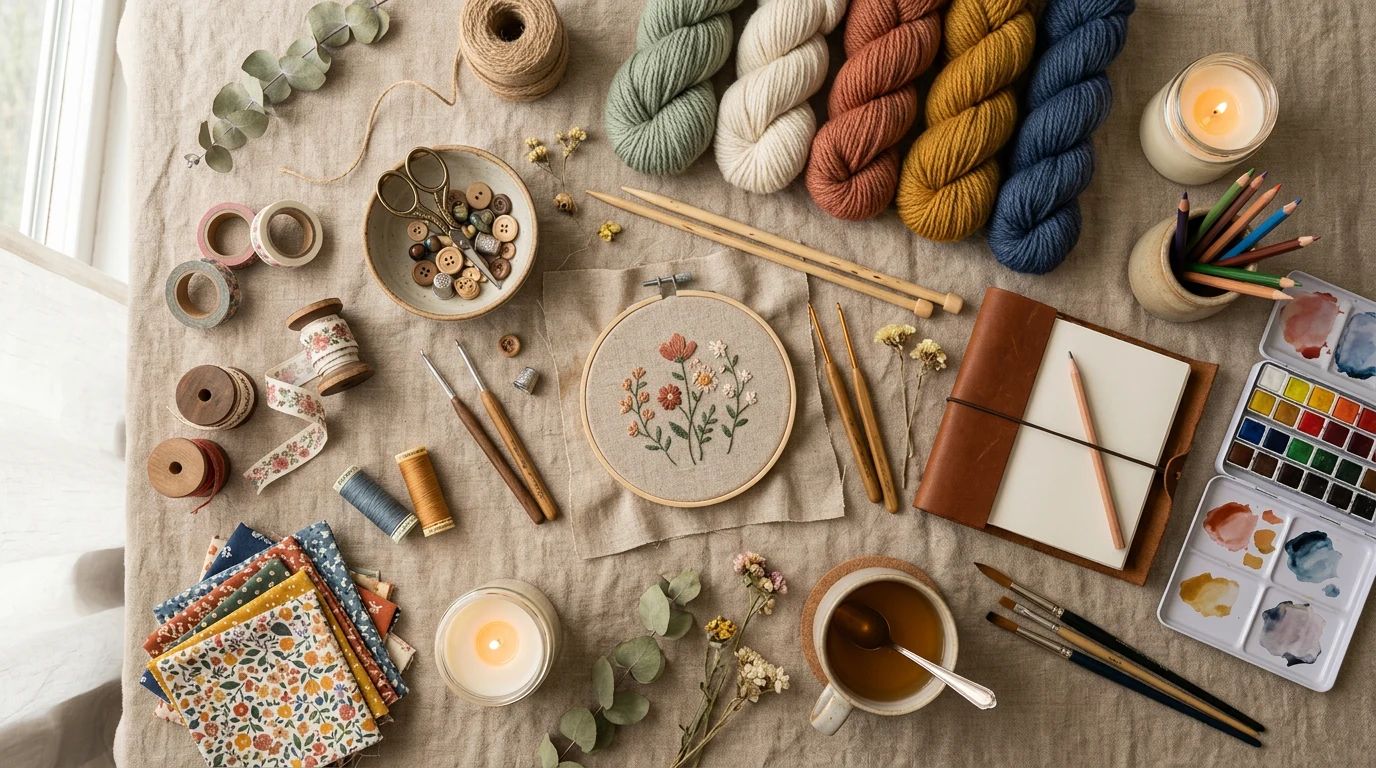
Your fabric choice influences the drape, texture, and overall feel of your completed work. Beginners often find structured fabrics easier to work with, while experienced stitchers may prefer the elegant finish that natural fibers provide. The fabric also determines how your DMC embroidery floss will lay and how crisp your stitches will appear.
Understanding these differences will help you select the best fabric for your specific project, whether you’re creating a sampler for your kitchen or an heirloom piece for future generations. Let’s explore each option in detail so you can make an informed decision.
Aida Cloth: The Beginner Standard
Aida cloth stands as the most popular choice for cross stitch enthusiasts, especially those just starting their needlework journey. This cotton fabric features a distinctive block-weave construction that creates clearly defined squares, making it exceptionally easy to count threads and place stitches accurately.
What Makes Aida Special
The unique construction of Aida involves groups of threads woven together to form distinct blocks. Each block represents one cross stitch, and the open holes between blocks guide your needle placement perfectly. This structured approach eliminates much of the guesswork that can intimidate new stitchers.
Charles Craft Aida cloth and Zweigart Aida represent the gold standard in quality, offering consistent weave and reliable thread counts. Reviews indicate that these premium brands maintain their shape better during stitching and washing, resulting in a more professional-looking finished piece.
Advantages of Aida Cloth
- Easy thread counting due to clear block structure
- Forgiving for beginners learning proper stitch tension
- Widely available in craft stores and online
- Comes in numerous counts and colors
- Machine washable and durable
- Works well with most cross stitch patterns
- Affordable for practice projects
Disadvantages of Aida Cloth
- Can look somewhat rigid in finished pieces
- Block structure may be visible in final work
- Limited to whole cross stitches (no easy fractional stitches)
- May not provide the heirloom quality some stitchers desire
- Cotton can show wear over time with handling
Many stitchers find that Aida pairs beautifully with basic cross stitch techniques, making it an excellent choice for learning proper form and building confidence before moving to more challenging fabrics.
Evenweave Fabric Explained
Evenweave fabric offers a middle ground between the structure of Aida and the elegance of linen. This fabric type features an even number of threads per inch in both directions, creating a smooth, uniform surface that’s ideal for detailed work and specialty stitches.
Construction and Characteristics
Unlike Aida’s block construction, evenweave consists of individual threads woven in a plain weave pattern. This creates a more refined appearance while still providing clear thread intersections for accurate stitch placement. Zweigart produces some of the finest evenweave fabrics, including their popular Lugana and Jobelan lines.
Buyers report that evenweave feels softer and more pliable than Aida while maintaining excellent stitch definition. The fabric typically consists of cotton, linen, or a cotton-linen blend, offering different textures and finishes to suit various project needs.
Benefits of Evenweave
- Smoother finish than Aida cloth
- Excellent for fractional stitches and specialty techniques
- More refined appearance in completed projects
- Available in beautiful colors and textures
- Suitable for both traditional and contemporary designs
- Good drape for framed pieces
- Compatible with various thread weights
Challenges with Evenweave
- Requires more careful thread counting than Aida
- May fray more easily during stitching
- Usually more expensive than basic Aida cloth
- Can be intimidating for absolute beginners
- Requires consistent stitch tension for best results
Evenweave works particularly well for projects that require fractional stitches, French knots, or backstitching details. Many stitchers choose evenweave when working from detailed patterns that call for specialty techniques.
Linen for Cross Stitch
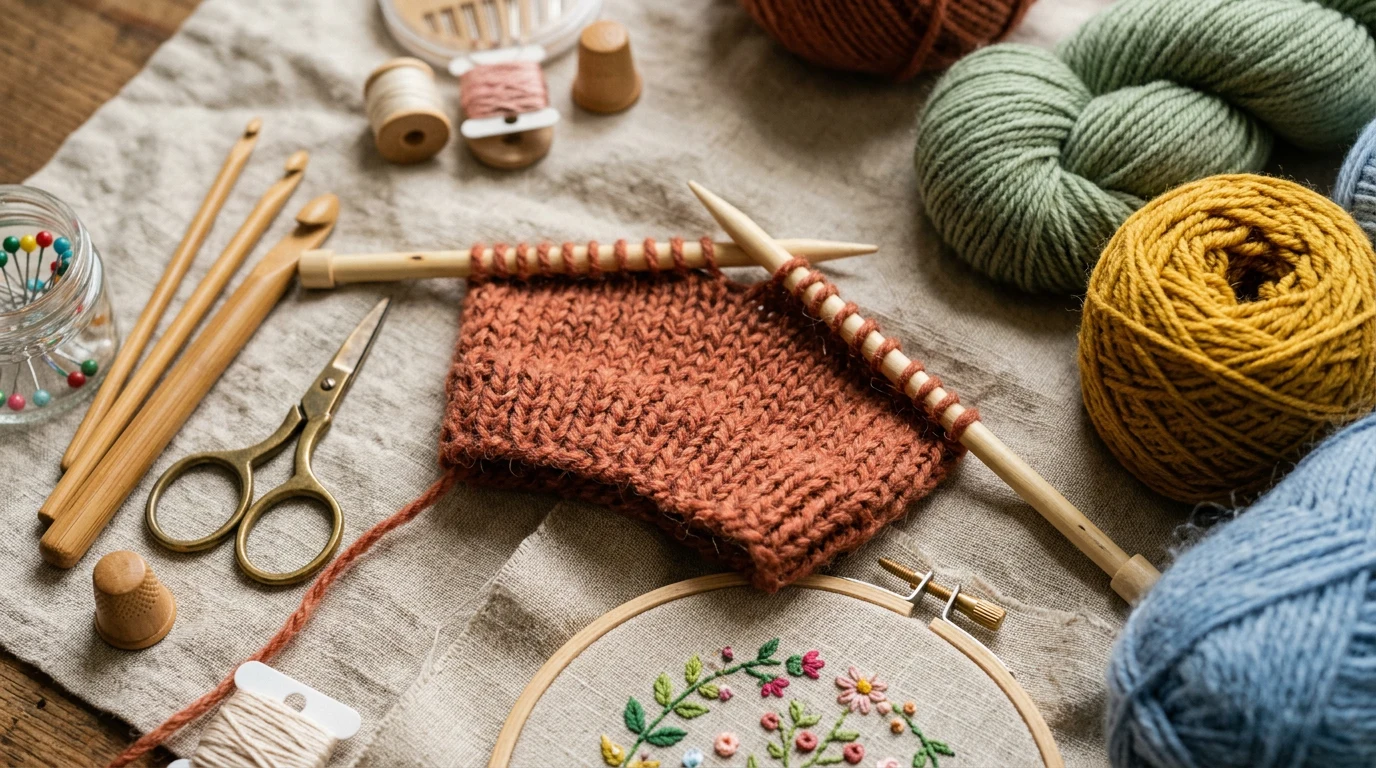
Linen represents the traditional choice for cross stitch and embroidery, prized for its natural beauty, durability, and the elegant finish it provides to completed work. Made from flax fibers, linen offers characteristics that many experienced stitchers consider unmatched by synthetic alternatives.
The Appeal of Natural Linen
Natural linen varies slightly in thread thickness, creating subtle texture variations that add character to finished pieces. This irregularity, far from being a flaw, contributes to the handmade appearance that makes linen cross stitch so distinctive and valuable.
According to verified reviews, premium linen from manufacturers like Zweigart and Permin develops a beautiful patina over time, actually improving with age and handling. The Embroiderers’ Guild notes that antique samplers stitched on linen often survive centuries, testament to the fabric’s remarkable longevity.
Advantages of Linen
- Beautiful natural texture and appearance
- Excellent durability and longevity
- Develops attractive patina with age
- Traditional choice for heirloom pieces
- Available in gorgeous natural and dyed colors
- Absorbs dyes beautifully for tea-staining and aging effects
- Prestigious choice for exhibition work
- Environmentally friendly natural fiber
Challenges of Working with Linen
- Thread irregularities can make counting more difficult
- Typically the most expensive fabric option
- May require pre-washing to prevent shrinkage
- Can be intimidating for beginners
- Natural variations may affect stitch tension
- Limited availability in some areas
- Requires careful handling during stitching
Despite these challenges, many stitchers consider the effort worthwhile for special projects. Linen pairs beautifully with high-quality threads like DMC 321 red or DMC 310 black, creating rich color depth that’s particularly striking in traditional samplers and commemorative pieces.
Understanding Fabric Count
Fabric count refers to the number of threads or stitches per inch of fabric, fundamentally affecting the size and appearance of your finished cross stitch project. Understanding count helps you choose the right fabric for your design and predict how large your completed piece will be.
How Fabric Count Works
For Aida cloth, the count indicates how many squares (and therefore stitches) fit into one inch. Common Aida counts include 11, 14, 16, and 18 count. Evenweave and linen counts work differently—they indicate threads per inch, and you typically stitch over two threads, effectively halving the count for stitch placement.
For example, 28-count evenweave stitched over two threads produces the same stitch size as 14-count Aida. This relationship helps you substitute fabrics when necessary or adjust project sizes to suit your preferences.
Popular Fabric Counts and Their Uses
- 11-count Aida: Large stitches, ideal for beginners and quick projects
- 14-count Aida: Most popular choice, good balance of size and detail
- 16-count Aida: Smaller stitches for more detailed work
- 18-count Aida: Fine work, requires good eyesight and lighting
- 28-count evenweave/linen: Equivalent to 14-count when stitched over two
- 32-count evenweave/linen: Equivalent to 16-count when stitched over two
Higher counts create more detailed, refined work but require better eyesight, proper lighting, and more patience. Lower counts work up quickly and are forgiving for beginners but produce less detailed results.
Which Fabric Count Should Beginners Use?
New cross stitchers often wonder which fabric count will give them the best learning experience. The answer depends on your eyesight, patience level, and project goals, but most experts recommend starting with 14-count Aida cloth for the best balance of workability and finished appearance.
14-Count: The Sweet Spot for Beginners
Fourteen-count Aida offers several advantages for new stitchers. The squares are large enough to see clearly without magnification, yet small enough to create attractive, detailed results. Most beginner cross stitch kits use 14-count fabric because it accommodates a wide range of design complexities.
Buyers report that 14-count fabric works well with the most common thread coverage—two strands of DMC embroidery floss—creating nicely filled stitches without being too thick or thin. This count also forgives minor tension inconsistencies that beginners often experience while learning proper technique.
When to Choose Different Counts
Consider 11-count Aida if you have vision challenges, prefer quick-working projects, or want to create pieces for children to stitch. The larger squares make counting easier and stitching faster, though the finished result will be less detailed.
Choose 16-count or 18-count Aida only after you’ve mastered basic techniques on 14-count fabric. These finer counts require consistent tension, good lighting, and often magnification to work comfortably. They’re excellent for detailed samplers and intricate designs but can frustrate beginners.
When learning to read cross stitch patterns, starting with 14-count fabric helps you focus on pattern interpretation rather than struggling with fabric challenges.
Specialty Fabrics and Colors
Beyond the basic white and cream options, cross stitch fabrics come in an extensive array of colors, textures, and specialty finishes that can enhance your projects in beautiful and unexpected ways. Understanding these options helps you choose fabrics that complement your design and create stunning finished pieces.
Colored and Hand-Dyed Fabrics
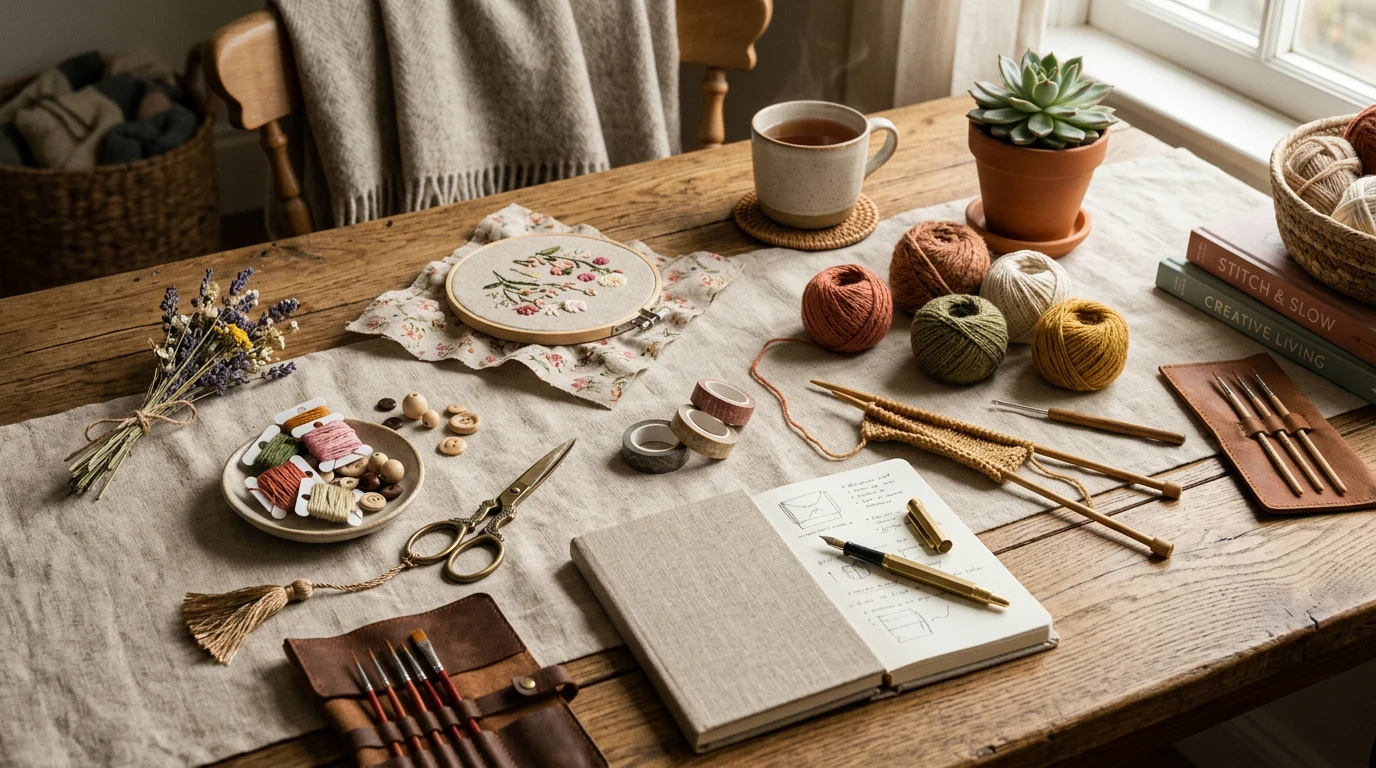
Colored Aida, evenweave, and linen provide dramatic backgrounds that can make your stitching pop. Popular choices include soft pastels for baby samplers, rich jewel tones for winter scenes, and elegant neutrals like mushroom or raw linen for sophisticated pieces.
Hand-dyed fabrics offer unique color variations and gradations that create subtle background interest. According to verified reviews, these specialty fabrics work particularly well for landscapes and abstract designs where the fabric color becomes part of the overall composition.
Metallic and Sparkle Fabrics
Some fabrics incorporate metallic threads or sparkle elements that add glamour to holiday and special occasion pieces. While these require careful handling and may be more challenging to work with, they create stunning results for Christmas ornaments, wedding samplers, and celebration pieces.
Fabric Selection Tips for Different Projects
- Samplers: Traditional cream or white linen for authenticity
- Baby items: Soft pastels or white for classic appeal
- Christmas ornaments: Rich reds, greens, or metallics
- Kitchen towels: Natural or food-themed colors
- Bookmarks: Colors that complement the fabric’s purpose
- Wall hangings: Colors that coordinate with room décor
When selecting colored fabrics, consider how your thread colors will appear against the background. Dark fabrics may require lighter threads for visibility, while light fabrics work well with both light and dark thread colors.
Fabric Comparison Table
| Feature | Aida Cloth | Evenweave | Linen |
|---|---|---|---|
| Best for Beginners | Excellent | Good | Challenging |
| Thread Counting | Very Easy | Moderate | Difficult |
| Finished Appearance | Structured | Refined | Elegant |
| Durability | Good | Very Good | Excellent |
| Price Range | Budget-friendly | Moderate | Premium |
| Specialty Stitches | Limited | Excellent | Excellent |
| Heirloom Quality | Fair | Good | Outstanding |
| Color Options | Many | Many | Limited but Beautiful |
Where to Buy Quality Cross Stitch Fabric
Finding quality cross stitch fabric ensures your projects look professional and last for years to come. While basic fabrics are widely available, understanding where to shop for premium options helps you create truly special pieces.
Local Craft Stores
Most craft stores carry basic Aida cloth in common counts and colors. These work well for practice projects and everyday stitching. Look for Charles Craft or DMC-branded fabrics for reliable quality at reasonable prices. However, local stores may have limited selection in specialty counts or premium fabrics.
Online Specialty Retailers
Online needlework shops offer the widest selection of fabrics, including premium brands like Zweigart and specialty hand-dyed options. Reviews indicate that reputable online retailers often provide better prices on high-end fabrics and offer detailed product information to help with selection.
What to Look for in Quality Fabric
- Consistent weave with no thin or thick spots
- Clean, straight edges with minimal fraying
- Even color throughout the piece
- Appropriate stiffness for the fabric type
- Clear brand identification and count information
- Reasonable packaging that protects the fabric
When building your fabric stash, invest in quality pieces for special projects while keeping economical options for practice and everyday stitching. This approach lets you experience different fabric types without breaking your budget.
Essential Tools and Accessories
Working with different fabrics requires appropriate tools and accessories to achieve the best results. Having the right supplies makes the difference between frustrating struggles and enjoyable stitching sessions.
Needles for Different Fabrics
John James tapestry needles remain the gold standard for cross stitch work. Size 24 works well for 14-count fabrics, while size 26 suits 16-count and higher. Buyers report that quality needles maintain their points longer and pass through fabric more smoothly, reducing thread wear and fabric damage.
Hoops and Frames
Different fabrics benefit from different holding methods. Morgan hoops work well for most Aida projects, while Q-Snap frames provide even tension distribution that’s particularly important for evenweave and linen. The key is maintaining consistent fabric tension without overstretching delicate fibers.
For detailed information about selecting the right tools for your projects, refer to our guide on cross stitch needles and accessories.
Frequently Asked Questions
Can I substitute one fabric type for another in a pattern?
Yes, you can often substitute fabrics by matching the effective stitch count. For example, 14-count Aida can be replaced with 28-count evenweave stitched over two threads. However, consider that the final appearance and working experience will differ between fabric types.
How do I prevent fabric edges from fraying while stitching?
Several methods protect fabric edges: serging or zigzag stitching the raw edges, applying masking tape around the perimeter, or using liquid fray preventers. For premium fabrics like linen, serging provides the most professional and durable edge treatment.
Should I pre-wash cross stitch fabric?
Pre-washing depends on the fabric type and intended use. Cotton Aida typically doesn’t require pre-washing, but linen may need gentle washing to prevent shrinkage. If your finished piece will be washed regularly, pre-washing helps prevent sizing issues later.
Why does my fabric choice affect thread coverage?
Different fabrics have varying thread thicknesses and hole sizes, affecting how embroidery floss covers the fabric. Aida’s structured weave may require different thread coverage than linen’s natural variations. Test your thread coverage on fabric scraps before beginning important projects.
Can beginners work successfully on linen?
While challenging, motivated beginners can work on linen with proper preparation. Start with a higher-count linen (32-count or higher), use good lighting and magnification, and choose simple patterns without fractional stitches. The key is patience and accepting that the learning curve will be steeper than with Aida.
Choosing the right fabric for your cross stitch projects sets the foundation for beautiful, lasting needlework that you’ll treasure for years to come. Whether you start with beginner-friendly Aida cloth, explore the refined qualities of evenweave, or embrace the traditional elegance of linen, each fabric type offers unique rewards for the dedicated stitcher. Take your time to experiment with different options, and remember that every master stitcher started with that first careful stitch on their chosen fabric. Happy stitching!
Frequently Asked Questions
What is the best cross stitch fabric for beginners?
Aida cloth is the best choice for beginners because its distinctive block-weave construction creates clearly defined squares that make it easy to count threads and place stitches accurately. This structured fabric gives you confidence as you’re learning the fundamentals of cross stitch.
What are the main differences between Aida, evenweave, and linen fabrics?
Each fabric offers unique characteristics: Aida cloth features a block-weave that’s easy to count, evenweave provides a more uniform and refined look with consistent thread count, and linen offers an elegant natural fiber finish that experienced stitchers prefer. Your choice depends on your skill level and the final appearance you want for your project.
How does my fabric choice affect the finished look of my cross stitch project?
Your fabric choice influences the drape, texture, and overall appearance of your completed piece, as well as how your embroidery floss lays and how crisp your stitches appear. Structured fabrics like Aida create a more uniform look, while natural fibers like linen provide an heirloom quality finish.
Is evenweave or linen better for experienced cross stitch stitchers?
Experienced stitchers often prefer evenweave and linen because these fabrics provide an elegant, refined finish compared to Aida cloth. While they require more careful thread counting and handling, the natural beauty and heirloom quality of these fabrics make them worth the extra effort for special projects.