Starting your watercolor journey can feel overwhelming with so many paint sets on the market. The good news is that you don’t need to break the bank to begin creating beautiful watercolor art. Finding the best watercolor paint sets for beginners means looking for quality pigments, versatile colors, and good value – all while keeping your learning curve manageable.
Our reviews are based on aggregated verified buyer feedback, manufacturer specifications, and published expert opinion. Products are not independently tested by our team.
What Makes a Good Beginner Watercolor Set?
When you’re just starting with watercolors, certain features will make your learning experience much more enjoyable and successful. A good beginner set should offer vibrant colors that mix well together, reasonable lightfastness to prevent fading, and enough pigment strength to create both bold and subtle effects.
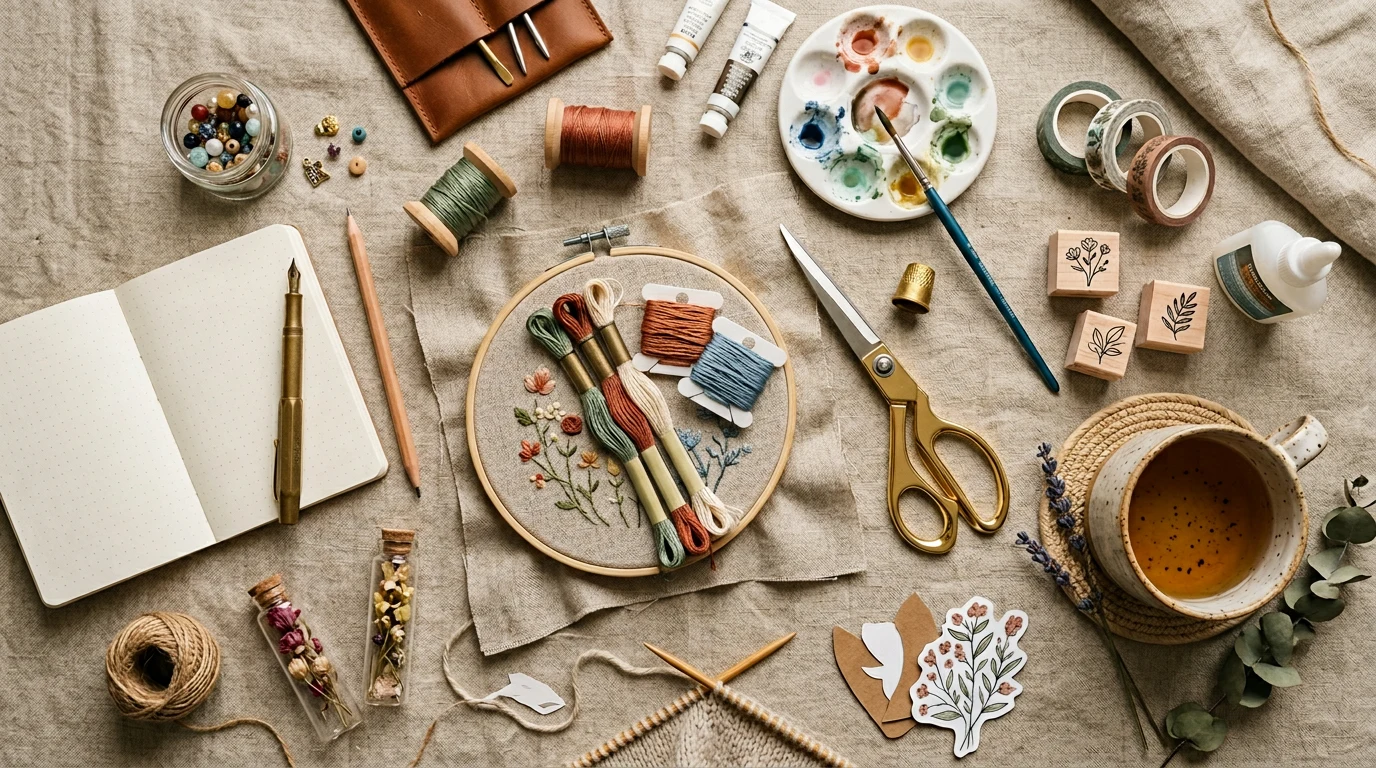
The number of colors is less important than having a well-curated selection. Many experienced artists work with just six to twelve colors, mixing everything else they need. Look for sets that include primary colors (red, blue, yellow), earth tones (burnt sienna, raw umber), and a good selection of secondary colors.
Pan versus tube format is another consideration. Pans are convenient and portable, making them perfect for outdoor painting or small studio spaces. Tubes offer more paint volume and are better for larger works or when you need generous amounts of color for washes.
- Good color saturation and mixing properties
- Balanced color selection including primaries and earth tones
- Reasonable lightfastness ratings
- Clear labeling of pigment information
- Appropriate pricing for the quality level
- Compatible with standard watercolor techniques
Student-grade paints contain more fillers and binders than artist-grade paints, but modern formulations have improved significantly. Many student sets now offer excellent performance for beginners while remaining budget-friendly.
Best Overall Watercolor Set
The Winsor & Newton Cotman series consistently ranks as the top choice for beginners seeking quality without the premium price. This student-grade line offers excellent pigment strength and color clarity that rivals some artist-grade paints.
Buyers report that the Cotman colors mix beautifully without becoming muddy, a common problem with lower-quality student paints. The 45-color set provides an extensive palette that will serve you well through years of learning and growth. Each color is clearly labeled with pigment information, helping you understand color theory and mixing principles.
The pan format makes this set incredibly portable, and the sturdy plastic case doubles as a mixing palette. The pans are generously sized and rewet easily, allowing for smooth color flow even after drying. Reviewers particularly appreciate the consistent quality across all colors in the set.
What sets the Cotman apart is its longevity. Unlike some beginner sets that you’ll outgrow quickly, many artists continue using select Cotman colors even after advancing to professional-grade paints. The earth tones and some unique colors like Payne’s Gray and Winsor Blue are particularly beloved.
The main limitation is that as a student-grade paint, you’ll notice less intensity compared to artist-grade alternatives when working on very large pieces or when you need maximum color saturation. However, for most beginner projects and learning exercises, the performance is more than adequate.
Best Budget Set Under $20
For crafters just dipping their toes into watercolor painting, finding a quality set under $20 might seem impossible. However, several manufacturers offer surprisingly good starter sets that won’t strain your hobby budget.
The key at this price point is managing expectations while still finding paints that perform well enough to create satisfying results. Budget sets typically contain fewer colors and may have less pigment concentration, but they’re perfect for exploring whether watercolor painting is something you want to pursue seriously.
Look for sets that include at least twelve colors with a good balance of warm and cool tones. Avoid sets with too many convenience colors (pre-mixed purples and greens) and focus on those that emphasize primary and secondary colors plus essential earth tones.
Many budget-friendly options come in tube format rather than pans. While tubes can be messier for beginners, they often provide better value since you get more paint volume. Squeeze small amounts onto a palette and let them dry between sessions – they’ll rewet just like pan paints.
Reviewers note that even inexpensive watercolors can produce beautiful results when used on quality paper. Consider pairing a budget paint set with good watercolor paper like Arches or Canson XL Watercolor pad rather than upgrading the paints immediately.
The biggest limitation of budget sets is often inconsistent quality between colors. Some pigments may be weaker or grittier than others in the same set. Start with the colors that perform best and gradually replace weaker ones as your skills and interest develop.
Best Professional-Grade Starter Set
Daniel Smith Extra Fine Watercolors represent the gold standard in professional watercolor pigments. Their introductory sets offer serious beginners a chance to experience artist-grade quality from the start, though at a higher investment level.
What makes Daniel Smith exceptional is their commitment to pigment purity and innovation. Many colors contain single pigments rather than mixtures, giving you cleaner color mixing and more predictable results. Their unique colors like Payne’s Gray and Quinacridone Gold have become industry standards.
The tube format in Daniel Smith sets provides generous paint volume, and the consistency is perfectly balanced for watercolor techniques. Colors flow smoothly from the tube and maintain their working properties for extended painting sessions. The pigment strength means a little goes a long way, making these sets economical despite the higher upfront cost.
Buyers consistently praise the lightfastness of Daniel Smith colors. Unlike some student-grade paints that may fade over time, these pigments are formulated to last decades without significant color shift. This makes them ideal if you’re creating artwork you want to preserve or potentially sell.
Professional-grade paints also offer superior mixing capabilities. The colors remain vibrant even when combined, and you can create subtle color variations that would be difficult or impossible with lesser-quality paints. This makes learning color theory more intuitive and rewarding.
The main consideration with professional-grade starter sets is cost. These sets represent a significant investment for a new hobby. However, many artists find that starting with quality materials actually accelerates their learning process and increases their enjoyment of the medium.
Best Tube Watercolor Set
Tube watercolors offer distinct advantages for certain painting styles and techniques. They’re ideal for large washes, bold color applications, and when you need to mix substantial amounts of paint. The fresh, moist consistency straight from the tube also provides maximum color intensity.
Schmincke Akademie sets offer excellent tube watercolors at student-grade pricing. German-made with careful attention to quality control, these paints provide reliable performance across their color range. The tubes are well-designed with good caps that prevent drying out, a common problem with some tube sets.
Reviewers appreciate the smooth consistency of Schmincke tube paints. They flow easily from the tube without being too thin or thick, and they mix smoothly on the palette. The colors maintain their vibrancy even when heavily diluted, making them excellent for traditional watercolor techniques like graduated washes.
One advantage of tube sets is the ability to squeeze out only what you need for each painting session. This reduces waste and keeps colors fresh. You can also create custom palette arrangements by squeezing different amounts of each color based on your specific project needs.
The main challenge with tube watercolors for beginners is learning proper paint management. It’s easy to squeeze out too much paint, leading to waste and mess. Start with small amounts and add more as needed. Many artists squeeze out paints and let them dry on their palette, rewetting them for subsequent sessions.
Storage is another consideration. Tubes take up more space than pan sets and aren’t as portable. However, if you primarily paint in a dedicated studio space and enjoy working on larger pieces, tube sets offer excellent value and performance.
Best Pan Watercolor Set
Pan watercolor sets excel in portability and convenience, making them perfect for outdoor painting, travel, or small studio spaces. The compact format and built-in mixing areas make them ideal for beginners who want to paint anywhere inspiration strikes.
Kuretake Gansai Tambi sets offer a unique approach to pan watercolors with their Japanese-style formulation. These paints have a higher pigment concentration than typical watercolors, creating more opaque coverage while still maintaining transparency when diluted. The larger pan size provides generous working surface area.
The creamy consistency of Gansai Tambi paints makes them exceptionally easy to activate with water. Buyers report that even the most dried-out pans rewet instantly and provide smooth, even color flow. This makes them particularly forgiving for beginners who might be intimidated by traditional watercolor unpredictability.
Traditional-style pan sets like those from Winsor & Newton offer excellent value and familiarity. The smaller pans encourage color mixing and help develop paint economy skills. Most professional watercolorists use pan sets for their regular work, so learning with this format builds good habits from the start.
Pan sets also offer superior longevity. A well-maintained set can last for years of regular use, with individual pans replaceable as they run out. This makes them more economical in the long run compared to tube sets where you might waste unused paint.
The compact nature of pan sets makes them ideal for developing a regular painting practice. You can easily set up and start painting within minutes, removing barriers that might prevent consistent practice. The self-contained format also makes cleanup simpler and faster.

Student vs Artist Grade: What’s the Difference?
Understanding the distinction between student and artist-grade watercolors helps you make informed decisions about where to invest your money as you develop your skills. Both categories serve important purposes in the watercolor world, and many successful artists use combinations of both.
Student-grade paints contain more fillers, extenders, and binders relative to pure pigment content. This reduces manufacturing costs while still providing workable paint. Modern student formulations have improved dramatically, offering much better performance than their counterparts from even a decade ago.
Artist-grade paints prioritize pigment concentration and purity. They typically contain single pigments rather than mixtures, resulting in cleaner color mixing and more predictable results. The higher pigment load means stronger, more vibrant colors that maintain their intensity even when heavily diluted.
Lightfastness represents another key difference. Artist-grade paints undergo rigorous testing for color permanence and are rated according to international standards. Student-grade paints may use less expensive pigments that are more prone to fading, though many modern formulations offer reasonable permanence for casual use.
The practical impact of these differences varies by application. For learning exercises, technique practice, and casual painting, student-grade paints perform beautifully and cost significantly less. For artwork you want to preserve or sell, artist-grade paints offer superior longevity and professional results.
Many artists recommend starting with student-grade sets and gradually upgrading individual colors to artist-grade as your skills develop. This approach lets you identify which colors you use most frequently and where the quality difference matters most for your particular painting style.
All Sets Compared
| Product | Type | Colors | Grade | Best For | Price Range |
|---|---|---|---|---|---|
| Winsor & Newton Cotman | Pan | 12-45 | Student | Overall best value | $$ |
| Daniel Smith Extra Fine | Tube | 6-24 | Artist | Professional quality | $$$$ |
| Schmincke Akademie | Tube | 12-24 | Student | Tube format | $$$ |
| Kuretake Gansai Tambi | Pan | 12-48 | Unique | Vibrant colors | $$ |
| Basic Student Sets | Various | 8-18 | Student | Budget-conscious | $ |
When comparing watercolor sets, consider your specific needs and painting goals. Budget-conscious beginners should focus on student-grade sets that offer good color selection and mixing properties. Those planning to paint seriously or create artwork for preservation should consider investing in artist-grade materials from the start.
Pan versus tube format choice often comes down to painting style and workspace. Outdoor painters and those with limited space typically prefer pans, while studio artists working on larger pieces often choose tubes. Some artists maintain both formats, using pans for sketching and location work and tubes for studio pieces.
Color count matters less than color selection quality. A well-curated 12-color set often serves beginners better than a 24-color set with poor color balance. Focus on sets that include good primary colors, useful earth tones, and a few convenience colors that match your painting interests.
Consider the complete painting system when choosing your set. Quality watercolor paper like Arches 140lb cold press can make even budget paints perform better, while poor paper will limit even the finest paints. Similarly, good brushes like Princeton Heritage or Da Vinci Casaneo series enhance your painting experience regardless of paint grade.
Many successful artists recommend starting with one good-quality set and learning it thoroughly rather than collecting multiple mediocre sets. Understanding how each color behaves, what mixtures work best, and how the paints respond to different techniques builds skills that transfer to any watercolor brand.
Regional availability and customer support also factor into long-term satisfaction. Choose brands with good distribution in your area and responsive customer service. Daniel Smith, for example, offers extensive educational resources and color mixing guides that support learning well beyond the initial purchase.
Frequently Asked Questions
How many colors do I need to start watercolor painting?
You can create beautiful watercolor paintings with as few as six colors: two blues (warm and cool), two reds (warm and cool), two yellows (warm and cool), plus burnt sienna and payne’s gray. However, 12-18 color sets provide more convenience and learning opportunities for beginners. The key is having good primary colors that mix clean secondary colors rather than having many pre-mixed convenience colors.
Should I buy pans or tubes as a beginner?
Pans are generally better for beginners because they’re less messy, more portable, and help you develop good paint economy habits. They’re perfect for learning basic techniques and building confidence. Tubes work better if you plan to do large paintings or need to mix substantial amounts of paint. Many artists eventually use both formats for different purposes.
What’s the difference between student and artist grade watercolors?
Student-grade paints contain more fillers and binders, making them less expensive but also less pigment-concentrated. Artist-grade paints have higher pigment loads, better lightfastness, and cleaner mixing properties. For beginners, student-grade paints offer excellent value and performance. Upgrade to artist-grade paints as your skills develop and you identify your favorite colors.
Do I need expensive brushes with beginner watercolor sets?
While you don’t need the most expensive brushes as a beginner, investing in a few quality brushes like Princeton Heritage or Silver Black Velvet series makes a significant difference in your painting experience. Good brushes hold more water, maintain their points better, and last longer than very cheap alternatives. Start with 2-3 brushes in different sizes rather than buying large sets of poor-quality brushes.
What paper should I use with beginner watercolor sets?
Quality watercolor paper is crucial for good results. Look for 140lb (300gsm) cold-pressed watercolor paper from brands like Arches, Strathmore 400 Series, or Canson XL Watercolor pad. Avoid regular drawing paper or lightweight papers that will buckle and pill when wet. Good paper can make even budget paints look better, while poor paper will frustrate you regardless of paint quality.
How long do watercolor paints last?
Quality watercolor paints can last for many years when stored properly. Pan watercolors are particularly long-lasting because they’re already in dried form. Tube paints should be kept tightly sealed and stored at room temperature. Even if tube paints separate or thicken over time, they can often be reconstituted with a few drops of water or gum arabic solution.
Can I mix different brands of watercolor paints?
Yes, you can safely mix different brands of watercolor paints. They all use similar water-based formulations and compatible binders. This flexibility allows you to start with one brand and gradually add individual colors from other manufacturers as you discover your preferences. Many professional artists use colors from multiple brands in their working palette.
What should I avoid when buying my first watercolor set?
Avoid sets with too many colors (over 30 for beginners), extremely cheap sets with poor pigment quality, sets without proper color labeling, and sets that include only convenience colors without good primary colors. Also avoid buying multiple small sets instead of one quality set, as this often results in poor color coordination and wasted money.
Frequently Asked Questions
Do I really need an expensive watercolor paint set to start painting?
No, you don’t need to spend a lot of money to begin your watercolor journey. Quality beginner sets offer good pigments and versatile colors at affordable prices, allowing you to create beautiful artwork while you’re learning.
Should I choose pans or tubes for my first watercolor paint set?
Pans are portable and convenient, making them ideal if you want to paint outdoors or have limited studio space. Tubes offer more paint volume and work better for larger works or when you need generous amounts of color for washes.
How many colors do I need in a beginner watercolor paint set?
You don’t need many colors to start successfully. Most experienced artists work with just six to twelve colors, focusing on primary colors (red, blue, yellow), earth tones (burnt sienna, raw umber), and a few secondary colors that mix well together.
What should I look for when comparing student-grade versus artist-grade watercolor paints?
Student-grade paints contain more fillers and binders than artist-grade paints, which means they may not have the same vibrancy or mixing properties. For beginners, student-grade sets offer good value while you develop your skills before investing in higher-quality paints.