Batting is the hidden layer that gives your quilt its warmth, weight, and texture. While the quilt top gets all the visual attention, the batting determines how the finished quilt feels in your hands, how it drapes over a bed or lap, and how it looks after washing. Choosing the right batting for your project is one of the most important decisions you will make, yet it is often overlooked by beginners who grab whatever is on sale.
This guide compares the most common batting materials, explains loft and weight, and helps you choose the best batting for your specific quilting project and technique.
Our reviews are based on aggregated verified buyer feedback, manufacturer specifications, and published expert opinion. Products are not independently tested by our team.
What Is Quilt Batting?
Batting (also called wadding in some countries) is the soft, insulating layer sandwiched between the quilt top and backing fabric. It provides three things: warmth, structure, and the characteristic puffy texture that makes a quilt look and feel different from a blanket or bedspread.
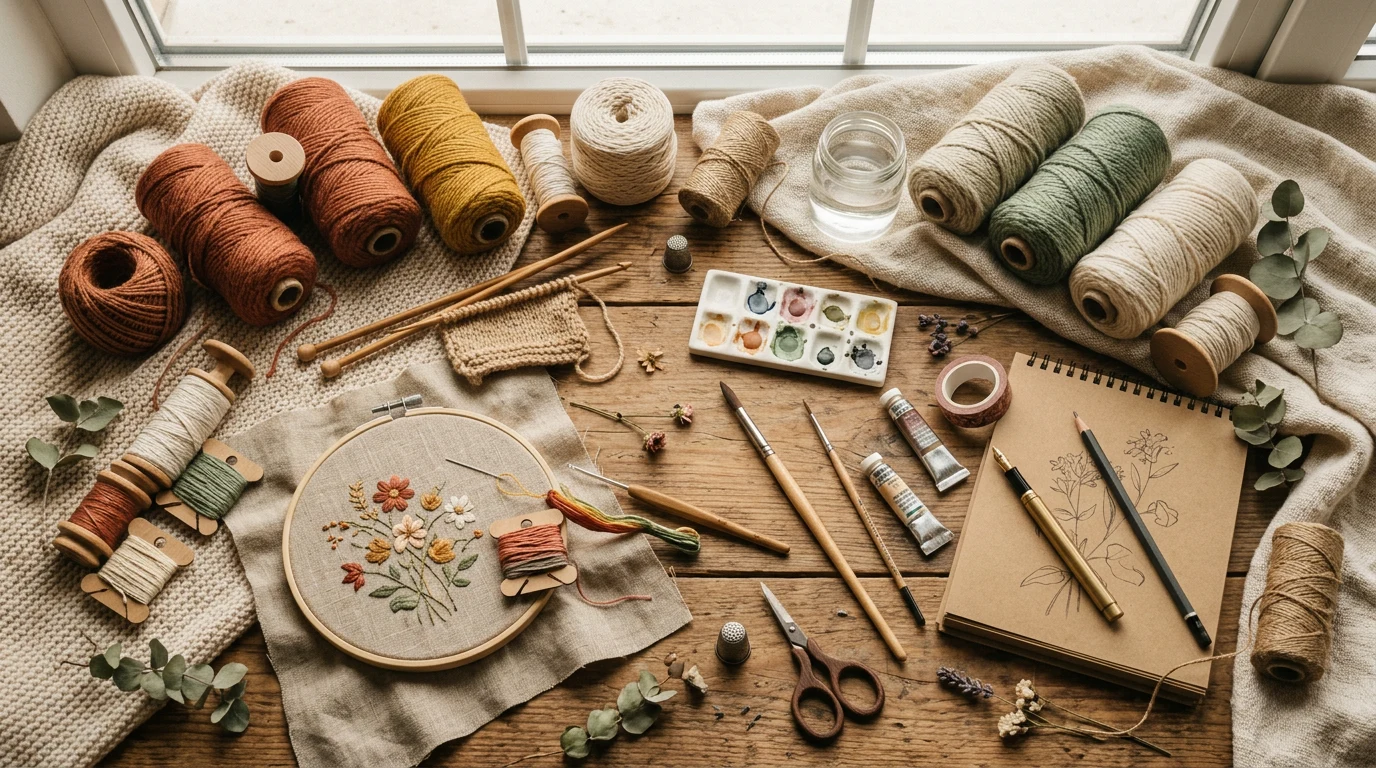
Batting comes in sheets sized for standard quilt dimensions (crib, twin, queen, king) or on rolls that you cut to size. It is available in several materials, each with different characteristics. The material, thickness (loft), and density of the batting affect everything from how easy it is to quilt through to how the finished quilt drapes and washes.
Cotton Batting: Pros and Cons
Cotton batting is the most popular choice among quilters and the best all-around option for beginners.
Advantages
Natural, breathable material. Cotton batting breathes well, which means quilts do not trap excessive heat. This makes cotton batting quilts comfortable in a range of temperatures. Low loft for a flat, traditional look. Cotton batting creates the flat, close-to-the-fabric appearance that characterizes traditional quilts. Quilting stitches show clearly and the quilt drapes beautifully. Shrinks slightly when washed, creating the beloved crinkled, vintage texture that many quilters prize. This shrinkage tightens the quilting stitches and gives the quilt a lived-in look even when new.
Easy to needle. Cotton batting is soft and easy to quilt through, both by machine and by hand. It grips fabric and does not slide around during basting, making it forgiving for beginners.
Disadvantages
Cotton batting does shrink, which means the finished quilt will be slightly smaller after the first wash. Plan for this by cutting the batting and backing extra large. Pure cotton batting also provides less warmth per thickness compared to wool. It can develop thin spots over time with heavy use and repeated washing, though high-quality cotton batting resists this well.
Best Cotton Batting Brands
Warm and Natural by the Warm Company is the most widely recommended cotton batting. Buyers consistently praise its consistent thickness, ease of quilting, and beautiful crinkle after washing. It requires quilting lines no more than 10 inches apart, which is generous enough for most designs. Quilters Dream Cotton is a premium option available in multiple loft levels (Request, Select, Deluxe) to suit different preferences. It is slightly more expensive but exceptionally consistent in quality.
Polyester Batting: Pros and Cons
Advantages
Higher loft. Polyester batting is puffier than cotton, creating a fuller, more dimensional look. This is desirable for decorative quilts, wall hangings, and comforters where you want visual volume. Does not shrink. What you see is what you get. The finished quilt maintains its dimensions through washing. Lightweight relative to its warmth, making it a good choice for lightweight comforters. Less expensive than cotton or wool batting. Washes well and dries quickly.
Disadvantages
Bearding. The biggest complaint about polyester batting is that tiny fibers migrate through the fabric and appear as white fuzz on the quilt surface. This is most visible on dark fabrics and worsens over time with washing. Higher quality polyester batting is treated to reduce bearding, but it remains a common issue. Slippery during basting and quilting. Polyester does not grip fabric the way cotton does, which can cause shifting. Not breathable. Polyester traps heat and moisture, which makes it less comfortable for bed quilts in warm climates.
Best Polyester Batting Brands
Hobbs Poly-Down is a high-quality polyester batting with reduced bearding. Quilters Dream Poly is bonded to resist bearding and maintains its loft through repeated washing. For tied quilts and comforters where bearding is less of a concern, basic polyester batting from brands like Fairfield or Mountain Mist works adequately at a low price.
Wool Batting: Pros and Cons
Advantages
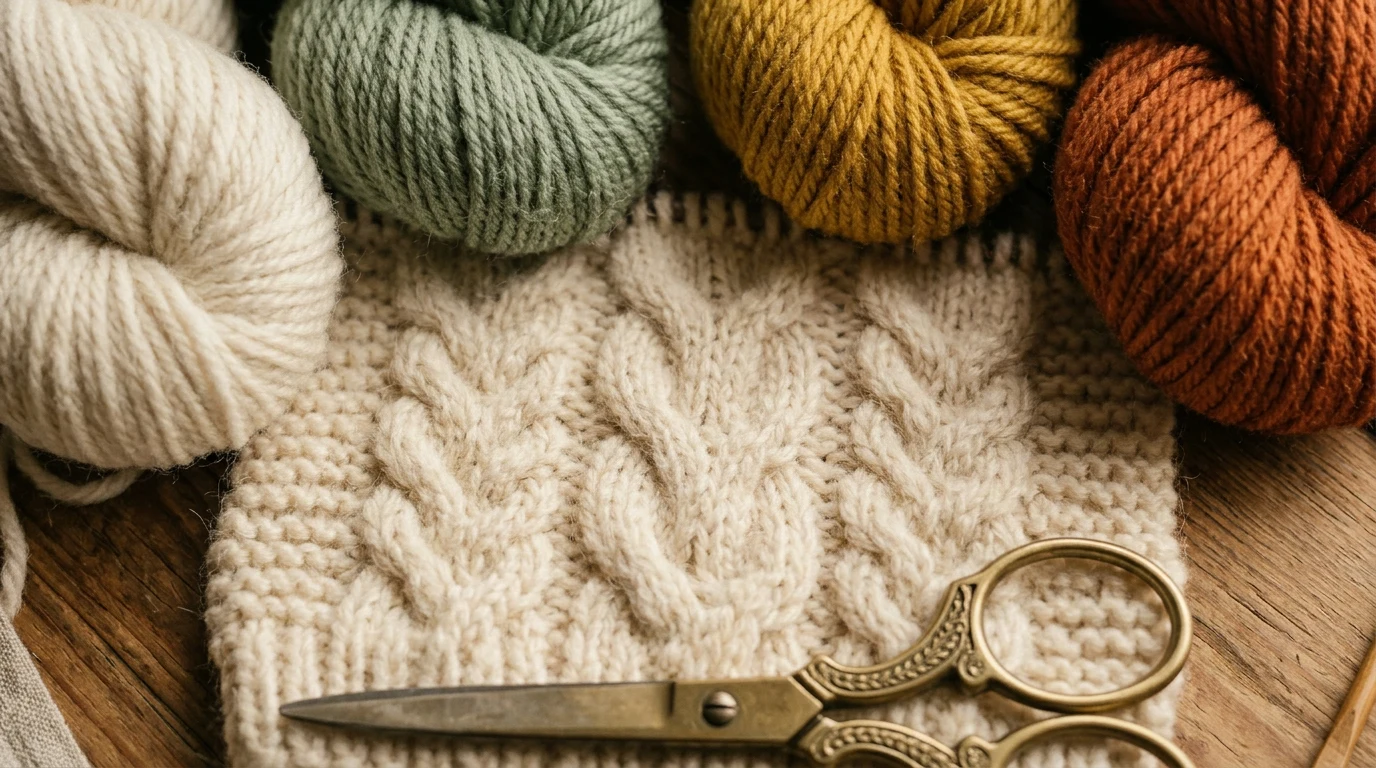
Best warmth-to-weight ratio. Wool batting is the warmest option pound for pound, making it ideal for bed quilts in cold climates. It provides substantial warmth without the weight that makes a quilt feel heavy. Naturally breathable and moisture-wicking, wool regulates temperature better than any other batting material. It keeps you warm in winter and cool in summer. Beautiful drape. Wool batting creates a quilt with exceptional drape and a luxurious hand feel. Resilient. Wool bounces back to its original loft after compression, maintaining its fullness over years of use.
Disadvantages
Most expensive batting material, typically two to three times the cost of cotton batting. Requires care when washing. Some wool battings must be dry cleaned or washed in cold water only to prevent felting. Look for washable wool batting that has been treated to withstand machine washing. Can felt if agitated in hot water, which permanently changes the texture.
Best Wool Batting Brands
Quilters Dream Wool is machine washable and dryer safe, addressing the biggest concern about wool batting. Buyers consistently praise its warmth, drape, and ease of quilting. Hobbs Heirloom Wool is another excellent option that is resin-bonded for machine washability. Both are significantly more expensive than cotton but deliver noticeably superior warmth and drape.
Bamboo and Blend Batting Options
Bamboo Batting
Bamboo batting is made from bamboo fibers and offers a silky-smooth hand feel with excellent drape. It is naturally antibacterial and moisture-wicking. Bamboo batting is typically blended with cotton (often 50/50) to improve handling and reduce cost. It quilts similarly to cotton and produces a soft, drapey quilt. The main drawback is limited availability and higher cost compared to cotton.
Cotton-Polyester Blends
Blend batting combines the best qualities of cotton and polyester. An 80/20 cotton-poly blend provides the flat look and breathability of cotton with the resilience and dimensional stability of polyester. Blends resist bearding better than pure polyester and shrink less than pure cotton. Hobbs Heirloom 80/20 is a popular blend that quilters describe as easy to work with and versatile enough for any project.
Batting Loft and Weight Guide
Loft refers to the thickness and puffiness of the batting. Low loft creates a flat quilt, high loft creates a puffy one.
| Loft Level | Appearance | Best For | Common Materials |
|---|---|---|---|
| Low | Flat, traditional | Wall hangings, hand quilting, traditional quilts | Cotton, bamboo |
| Medium | Moderate puff | Most quilts, bed quilts | Cotton/poly blend, wool |
| High | Puffy, dimensional | Comforters, tied quilts, decorative pieces | Polyester, high-loft wool |
For most beginner projects, low to medium loft is easiest to work with. High-loft batting is difficult to machine quilt because the thickness makes it hard to maneuver the quilt through the machine. It works best for tied quilts where you secure the layers with yarn ties rather than quilting stitches.
Best Batting for Machine Quilting
Machine quilting works best with low to medium loft batting that feeds smoothly under the presser foot. Cotton batting and cotton-poly blends are the top choices because they grip the fabric and reduce shifting during quilting.
For free-motion quilting, many quilters prefer cotton batting because it does not slide around as much as polyester. The slight grip of cotton fibers against cotton fabric helps keep the quilt sandwich stable while you move it freely under the needle. Warm and Natural and Quilters Dream Cotton are both excellent for machine quilting. For more on quilting techniques, see our machine vs hand quilting comparison.
Best Batting for Hand Quilting
Hand quilting requires batting that is soft enough to push a needle through repeatedly without straining your hands. Low-loft cotton batting is the traditional favorite because the needle passes through easily and the flat profile shows hand quilting stitches beautifully.
Wool batting is also excellent for hand quilting because its fibers are soft and the needle glides through smoothly. The medium loft of wool creates gentle puffing between quilting lines that highlights the hand-stitched design. According to the Quilt Alliance, hand quilters have historically preferred cotton and wool batting for the ease of needling and the beautiful texture they create.
Avoid high-loft polyester batting for hand quilting. The thickness makes it difficult to take small, even stitches, and the synthetic fibers resist the needle more than natural fibers.
Top Batting Brands Compared
| Brand | Material | Loft | Washable | Price (twin) |
|---|---|---|---|---|
| Warm and Natural | Cotton | Low | Machine wash | $15-22 |
| Quilters Dream Cotton | Cotton | Low-medium | Machine wash | $20-30 |
| Hobbs Heirloom 80/20 | Cotton/poly blend | Medium | Machine wash | $18-25 |
| Quilters Dream Poly | Polyester | Medium-high | Machine wash | $12-18 |
| Quilters Dream Wool | Wool | Medium | Machine wash | $35-50 |
| Hobbs Tuscan Wool | Wool | Medium | Machine wash cold | $30-45 |
Frequently Asked Questions
What batting should I use for my first quilt?
Warm and Natural cotton batting is the best choice for a first quilt. It is affordable, widely available, easy to quilt through, forgiving of beginner basting imperfections, and produces a beautiful finished quilt. Buy the size that fits your quilt with at least four inches extra on all sides for trimming.
Do I need to prewash batting?
Generally, no. Most batting is ready to use from the package. However, if the batting has been tightly folded and has deep creases, lay it flat overnight or tumble it in the dryer on low for ten minutes to relax the folds. Some quilters lightly mist the batting with water and let it air dry flat to remove creases without causing shrinkage.
How far apart should quilting lines be?
Each batting product specifies a maximum quilting distance, which is the farthest apart your quilting lines can be before the batting shifts, bunches, or migrates. Warm and Natural allows up to 10 inches. Most cotton battings allow 8 to 10 inches. Polyester battings may require closer quilting (4 to 6 inches) to prevent shifting. Always check the batting package for this specification. For your first quilt, quilting lines 2 to 4 inches apart is a safe and visually appealing choice. For more on your complete quilting setup, visit our beginner’s guide.
Can I use a bed blanket as batting?
In a pinch, a thin cotton blanket or flannel sheet can substitute for batting. This was a common practice historically. The quilt will have a different feel, flatter and denser, than one made with proper batting. It is not ideal but it works. This is also a good budget option if batting cost is a concern. See our quilting on a budget guide for more cost-saving ideas.
Frequently Asked Questions
What is the difference between cotton, polyester, and wool batting for quilts?
Cotton batting is breathable and creates a flat, traditional look, making it ideal for beginners. Polyester batting provides more loft and warmth retention, while wool batting offers superior insulation and a luxurious feel. Each material has different characteristics that affect how your finished quilt drapes, washes, and feels when used.
Why is choosing the right batting important for my quilting project?
The batting you select determines your quilt’s warmth, weight, texture, and how it drapes over a bed or lap. It also affects how easy the quilt is to stitch through and how it looks after washing. Many beginners overlook this choice, but batting is actually one of the most important decisions you’ll make in your quilting project.
What does ‘loft’ mean when shopping for quilt batting?
Loft refers to the thickness and density of the batting layer, which affects the puffy texture and insulation level of your finished quilt. Higher loft batting creates a more dimensional, puffy appearance, while low loft batting produces a flatter, more traditional look. Understanding loft helps you choose batting that matches your desired quilt aesthetic and warmth level.
Can I use any size batting, or do I need to match standard quilt dimensions?
Batting comes in pre-cut sheets sized for standard quilt dimensions like crib, twin, queen, and king, making shopping convenient. You can also purchase batting on rolls and cut it to your exact size for custom projects. Matching your batting size to your quilt dimensions ensures you have enough material without excessive waste.