If you want to know about slow hobbies for a digital, this guide covers everything you need. Your screen time report shows 7 hours. Your eyes are tired. Your thumb has that phantom scroll twitch. You know you need to put the phone down, but you also know that “just stop using your phone” isn’t actual advice. You need something to do instead. Something that engages your hands and brain enough that you don’t instinctively reach for a screen.
That’s where slow hobbies come in. These are activities designed for a different pace entirely. No notifications, no algorithms, no likes. Just you, a physical activity, and the quiet satisfaction of doing something real with your time.
What Makes a Hobby “Slow”?: Slow Hobbies For A Digital
Slow hobbies share a few defining characteristics. They’re done by hand, not by machine. They can’t be rushed without ruining the result. They produce something tangible (or edible, or growable). And they require a kind of sustained, gentle focus that’s the opposite of the fragmented attention that screens demand.
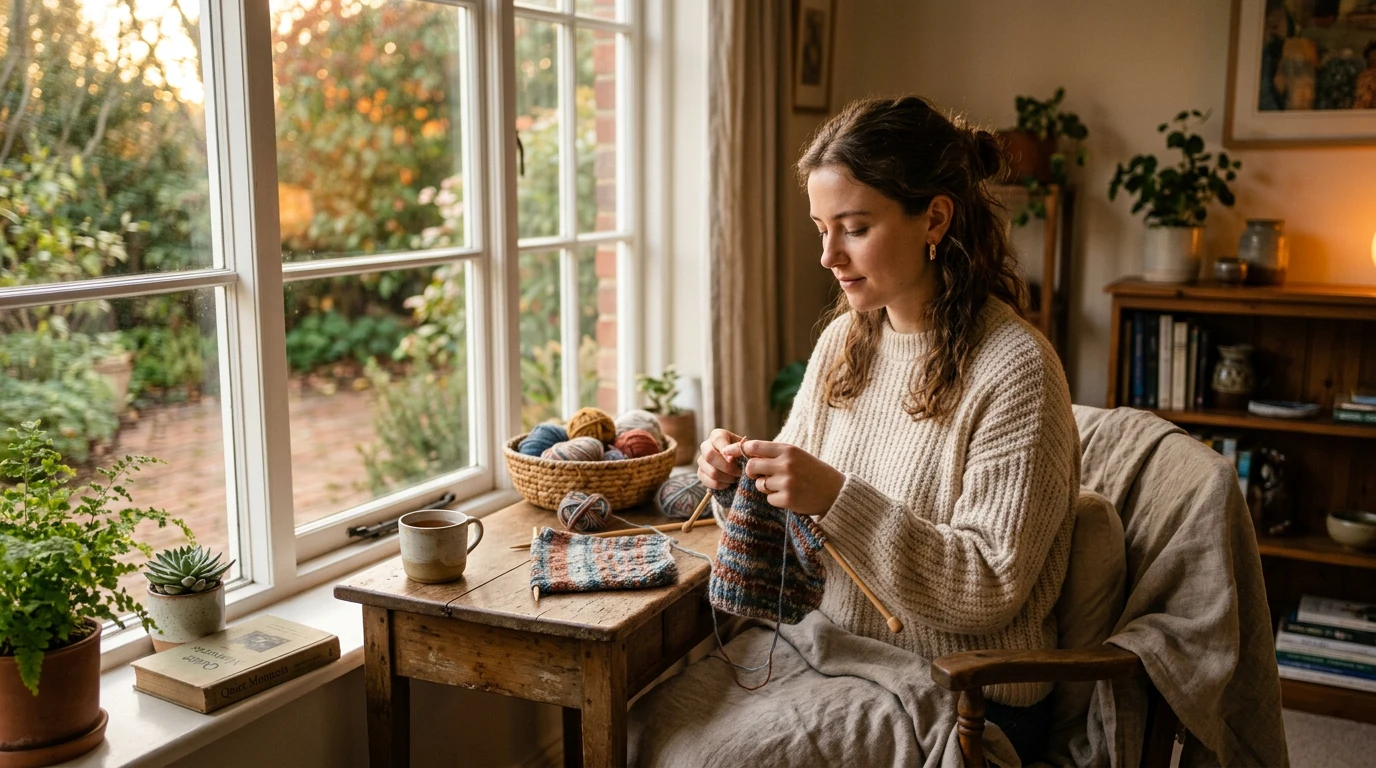
The “slow” in slow hobbies isn’t about being boring. It’s about being present. When you’re kneading bread, you’re feeling the texture of the dough. When you’re stitching embroidery, you’re watching a design emerge one thread at a time. There’s no multitasking. There’s no optimization. There’s just the thing in your hands and the moment you’re in.
Why Your Brain Needs This
Digital fatigue isn’t a personality flaw. It’s a neurological response to overstimulation. Screens deliver a constant stream of micro-rewards (likes, notifications, new content) that keep your dopamine system on a treadmill. Over time, your baseline dopamine drops and you need more stimulation to feel the same satisfaction. This is why scrolling for an hour feels numbing rather than refreshing.
Slow hobbies work differently. They provide a single, sustained reward loop: effort, followed by gradual progress, followed by completion. This pattern recalibrates your reward system toward deeper, more lasting satisfaction. According to neuroscience research covered by the American Psychological Association, activities that involve sustained focus and manual dexterity are particularly effective at reducing the mental health impacts of excessive screen use.

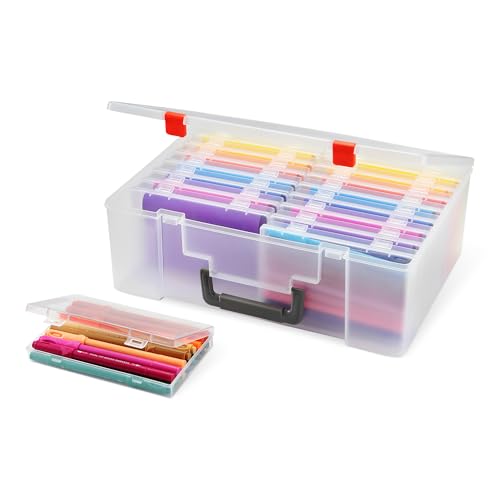
- PHOTO STORAGE: Each case holds up to 100 4×6-inch photographs with 16 clear comp
- MULTI-PURPOSE: Perfect for organizing photos, craft supplies, scrapbooking items
- DURABLE PROTECTION: Constructed with crack-resistant polypropylene plastic for l
15 Slow Hobbies Worth Trying
1. Knitting
The rhythmic click of needles and the growing fabric in your lap is one of the most calming experiences available. Knitting is supremely portable, endlessly scalable in complexity, and produces items you’ll actually wear. The community is massive and welcoming. Start with a simple scarf in chunky yarn and feel your shoulders drop as the rhythm takes hold.
2. Bread Baking
There’s something deeply primal about making bread. Flour, water, salt, yeast, and your hands. That’s it. The kneading is physical and meditative. The rise teaches patience (you literally cannot rush it). The smell of baking bread fills your home with warmth. And at the end, you eat something you made from near-nothing. Start with a no-knead recipe that requires only mixing and waiting.
3. Embroidery
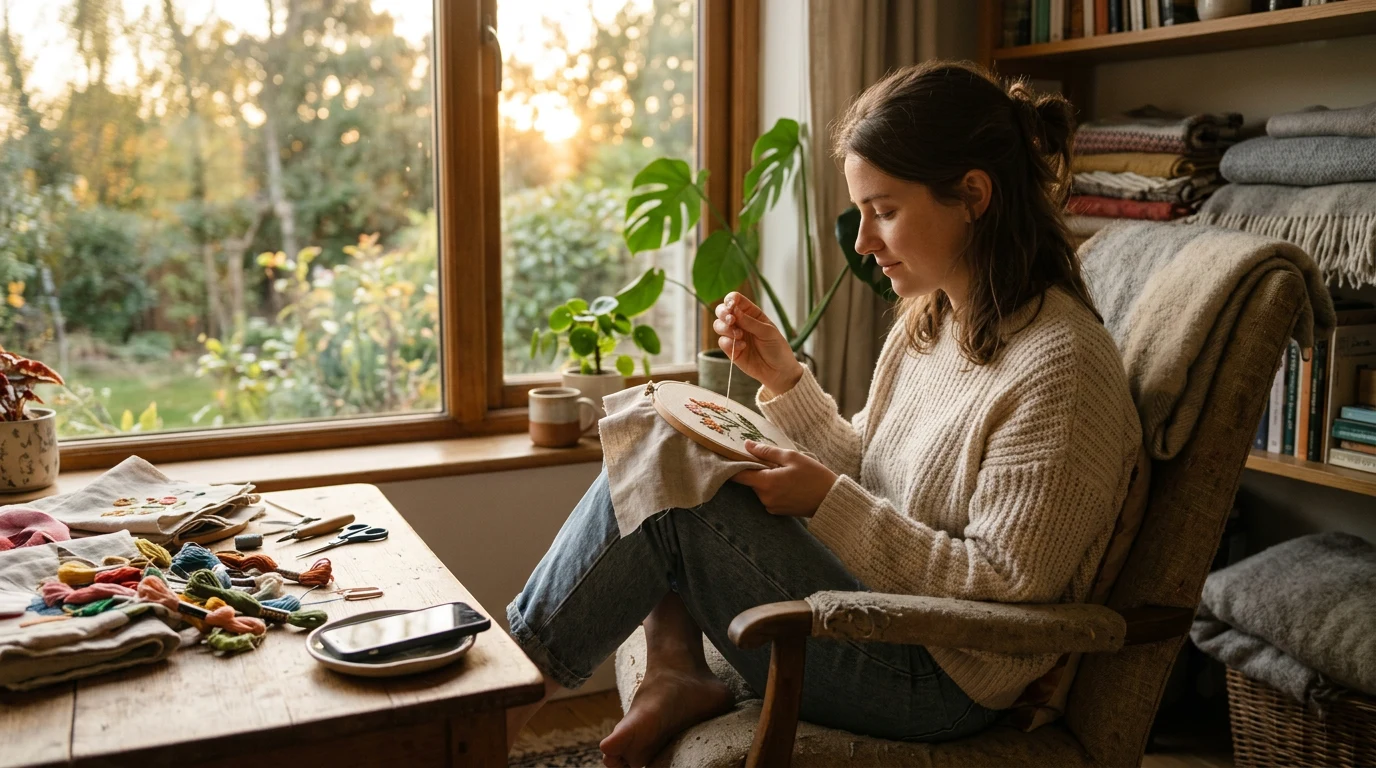
Needle, thread, fabric. Each stitch is tiny and deliberate. A design emerges over hours, not minutes. Embroidery forces you to slow down to the pace of a single thread passing through cloth. The focus required is just enough to keep your mind from wandering to your phone, but not so much that it’s stressful. Modern embroidery patterns range from botanical art to pop culture references. Mastering slow hobbies for a digital takes practice but delivers great results.
4. Gardening
Gardening operates on nature’s schedule, which is wonderfully indifferent to your productivity goals. Seeds sprout when they’re ready. Tomatoes ripen in their own time. Being outside with your hands in soil has documented mood-boosting effects thanks to Mycobacterium vaccae, a soil bacterium that triggers serotonin release. Even a few pots on a windowsill count.
5. Watercolor Painting
Watercolor rewards a light touch and patience. You can’t force it the way you can with acrylic or oil paint. Colors flow and blend on wet paper in ways you can guide but not fully control. This surrender to the medium is itself a form of digital detox. You’re collaborating with physics rather than commanding a screen. A basic watercolor set and pad of paper costs under $15.
6. Hand Lettering and Calligraphy
Forming beautiful letters by hand engages a completely different part of your brain than typing. Every stroke requires attention to pressure, angle, and spacing. Calligraphy has been practiced as a meditative discipline for centuries across multiple cultures. Modern hand lettering is more forgiving than traditional calligraphy and produces stunning results with practice. Start with brush pens and lined practice sheets.
7. Pottery (Hand-Building)
Working with clay is arguably the most tactile hobby on this list. The cool, smooth, responsive material in your hands is deeply grounding. Hand-building (coil pots, pinch pots, slab work) requires no wheel or kiln. Air-dry clay from a craft store ($10-15) lets you make functional bowls, planters, and decorative pieces at your kitchen table.
8. Jigsaw Puzzles
Low-tech, low-pressure, endlessly absorbing. Puzzles require just enough visual and spatial attention to prevent your mind from defaulting to screen-checking behavior. They’re social (puzzle with a friend or partner) or solitary. The satisfaction of clicking a piece into place is a micro-reward that never gets old. Modern puzzle companies produce gorgeous art puzzles that double as display pieces.
9. Crochet
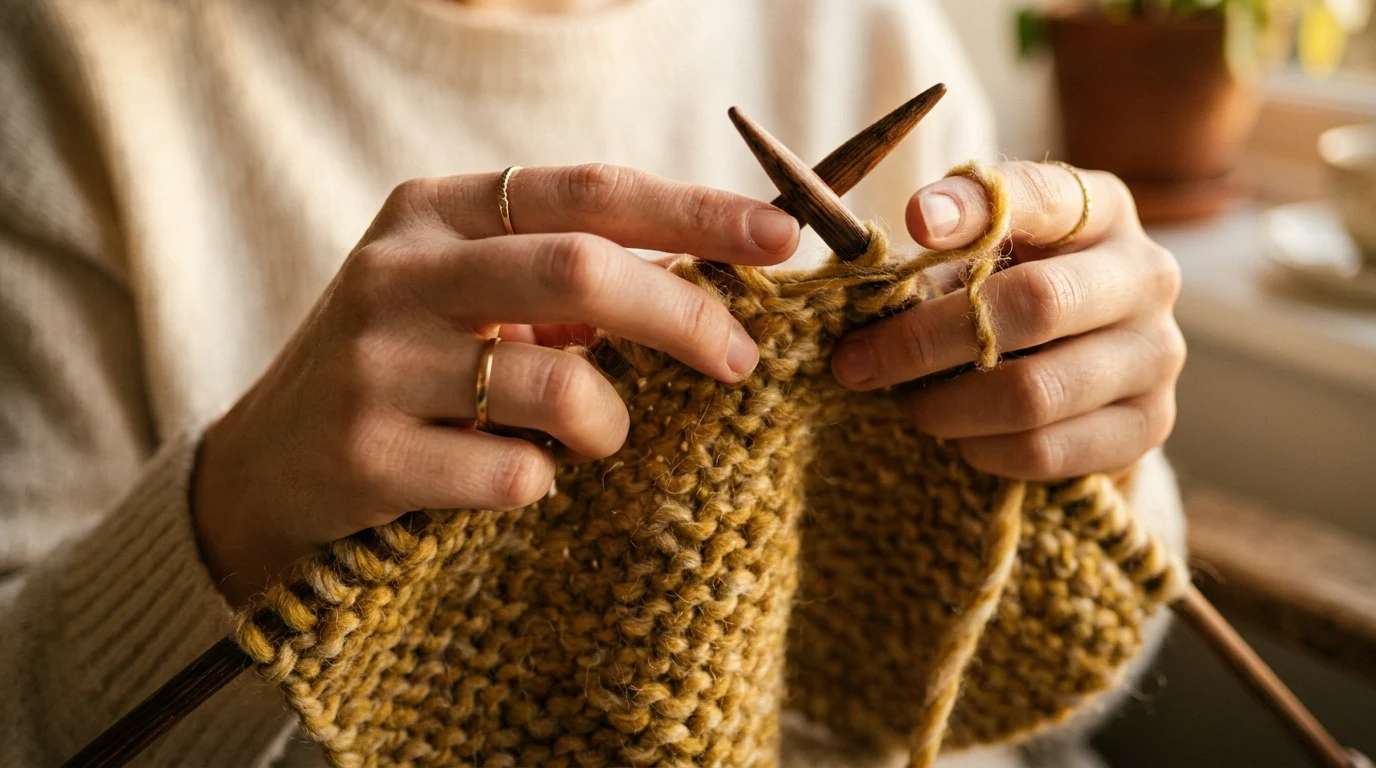
One hook, one stitch at a time. Crochet is slightly faster than knitting and produces a thicker, more textured fabric. The portability is unmatched: hook and yarn fit in a small bag and come out anywhere. Crochet is currently having a massive fashion moment, with handmade tops, bags, and accessories dominating social media (ironically, the motivation to make them should come from wanting to put your phone down).
10. Journaling and Sketchbooking
Pen and paper. Your thoughts, unfiltered by a keyboard or touchscreen. Journaling by hand activates neural pathways that typing doesn’t, improving memory consolidation and emotional processing. You don’t need to be a writer or artist. Bullet journaling, gratitude lists, stream-of-consciousness writing, and simple doodles all count. The act of moving a pen across paper is itself the practice.
11. Cooking from Scratch
Not heating up a frozen meal while scrolling your phone. Actually cooking: chopping vegetables, measuring spices, stirring a pot, tasting as you go. Cooking engages every sense. It produces something nourishing for yourself and people you care about. Start with a single recipe that takes 45-60 minutes and requires real knife work and seasoning decisions. Leave your phone in another room.
12. Flower Pressing and Arranging
Gathering flowers (from your garden, a walk, or a market), pressing them between book pages, and using them in art projects combines nature time with creative expression. Dried flower arrangements, pressed flower frames, and botanical bookmarks are all achievable with zero experience. The slowness is built in: pressing flowers takes 2-4 weeks, which teaches patience in a culture of instant results. Understanding slow hobbies for a digital is key to a great craft hobby.
13. Whittling
A knife, a piece of wood, and time. Whittling is one of the oldest human crafts and requires nothing more than a sharp blade and a soft wood like basswood. Start with a simple project like a wooden spoon or a small figurine. The focus required to safely and precisely remove thin curls of wood leaves no room for phone-checking. The smell of fresh-cut wood is its own aromatherapy.
14. Bird Watching
This might surprise you on a craft-focused list, but bird watching is a slow hobby that pairs beautifully with sketching, journaling, or photography (with a real camera, not your phone). It gets you outside, trains your observation skills, and connects you to the natural world. A basic field guide and a pair of binoculars is all you need. Many birders keep hand-drawn life lists and field sketches as a creative practice.
15. Fermenting and Preserving
Sourdough, kimchi, kombucha, pickles, jam. Fermentation is slow by nature. You set up conditions and then wait while biology does its work. There’s something deeply satisfying about a shelf of home-preserved foods in jars you filled yourself. The skills connect you to centuries of human food preservation knowledge. Start with a simple quick pickle (ready in 24 hours) or a sourdough starter (ready in 7 days).
How to Actually Do a Digital Detox
Having a slow hobby is the most important step, but a few practical strategies make the transition from screen to craft much smoother.
Create a Phone-Free Zone
Designate a specific spot in your home where your phone doesn’t go. Your craft corner, your reading chair, your garden. Physical separation from your device is more effective than willpower. Out of sight genuinely means out of mind after the first 10 minutes.
Replace, Don’t Remove
“Stop using your phone” leaves a void. Slow hobbies fill that void with something better. Instead of removing screen time, replace it with craft time. The evening scroll becomes the evening knit. The weekend YouTube binge becomes the weekend pottery session. You’re not giving something up. You’re trading up.
Start with One Hour
You don’t need to go cold turkey on screens. Start with one phone-free craft hour per day. Set a timer if you need to. After a week, that hour will start to feel like the best part of your day, and you’ll naturally want to extend it.
Allow Audio (But Not Visual)
Podcasts, audiobooks, and music are wonderful companions for slow hobbies. They engage your mind without engaging your eyes, which means your hands stay productive and your attention stays on your craft. This is a valid compromise if complete silence feels uncomfortable at first. Over time, many people find they prefer crafting in quiet, but there’s no rush. When it comes to slow hobbies for a digital, preparation matters most.

- 【SEWING CUTTING MAT】Aneuzs self-healing cutting mat protects your work surface.
- 【SELF HEALING CUTTING MAT】Made of 5-layer PVC material, the white hardness PVC i
- 【ROTARY MAT SIZE】Rotary cutting mat measures approx.12 x 18 inches (A3 size), du
What Slow Hobbies Won’t Do
Let’s be realistic. A slow hobby won’t cure your phone addiction overnight. It won’t eliminate stress. It won’t solve the underlying issues that drive excessive screen use. What it will do is give you a healthy alternative, a place to put your attention and energy that leaves you feeling better rather than drained.

Think of a slow hobby as one strong thread in a larger tapestry of wellness practices. Combined with adequate sleep, physical movement, social connection, and professional support when needed, a regular creative practice meaningfully improves your relationship with screens and with yourself.
Your grandmother didn’t have a concept of “digital detox.” She just had things to do with her hands. Things that kept her present, productive, and connected to the people around her. Turns out, she was onto something.
Frequently Asked Questions
What is the best slow hobby for anxiety?
Knitting and crochet are most frequently cited for anxiety relief because their repetitive, bilateral hand movements produce a calming neurological effect similar to EMDR therapy. The rhythmic nature of these crafts can lower heart rate and reduce cortisol levels within minutes. Gardening is another strong option because it combines gentle physical activity with nature exposure, both proven anxiety reducers. Choose whichever appeals to you most, as consistency matters more than the specific activity.
How do I stop reaching for my phone during a hobby?
Physical separation is the most effective strategy. Put your phone in another room, in a drawer, or in a dedicated “phone parking” spot. The first 10-15 minutes are the hardest. After that, your hands and brain engage with the hobby and the phone urge fades. If you need your phone for a tutorial, put it on airplane mode and prop it up where you can see the video. This prevents notification interruptions while keeping the learning resource available.
Can I listen to podcasts while doing a slow hobby?
Absolutely. Audio content pairs beautifully with hands-on hobbies. Podcasts, audiobooks, and music are all compatible with crafting because they engage your ears without demanding your visual attention. Many crafters say podcasts while knitting or baking is their favorite part of the day. The only craft where audio might interfere is one that requires intense concentration on written instructions, in which case, switch to instrumental music.
What if I get bored without my phone?
Boredom during a digital detox is normal and temporary. It’s actually a sign that your brain’s dopamine system is recalibrating. What feels like boredom is often your brain adjusting to a lower level of stimulation, which is healthy. Push through it. Within 15-20 minutes, most people find that the hobby becomes absorbing. If genuine boredom persists after several sessions, try a different slow hobby. The right one should hold your attention naturally once the initial adjustment period passes.
Are slow hobbies actually productive?
If “productive” means creating tangible output, yes. You end up with a scarf, a loaf of bread, a garden of vegetables, or a hand-lettered card. If “productive” means contributing to career advancement or income generation, that’s not the point, and framing it that way misses the value entirely. The real productivity of slow hobbies is in what they produce internally: reduced stress, improved focus, better sleep, stronger social connections, and a sense of accomplishment that no amount of email answering can match.
Explore more at GrannyHobby.com.
What exactly are slow hobbies and how do they help with digital detox?
Slow hobbies are hands-on activities like knitting, gardening, and baking that require sustained focus and produce tangible results without multitasking or rushing. They help with digital detox by engaging your brain and hands enough that you stop reaching for your phone, while recalibrating your dopamine system away from the constant micro-rewards that screens provide.
Why do I feel like I need to check my phone even when I’m trying to relax?
Digital fatigue causes your dopamine baseline to drop from constant screen stimulation, making you crave more notification rewards to feel satisfied. This creates a cycle where scrolling feels numbing rather than refreshing, and your brain instinctively reaches for your phone looking for that hit of dopamine.
How long does it take to see benefits from doing screen-free activities?
The article doesn’t specify an exact timeline, but the benefits come from the sustained reward loop of effort, gradual progress, and completion that slow hobbies provide. Starting with even 20-30 minutes of focused handwork like embroidery or kneading bread can help you experience the calming effects of being present in the moment.
Can I do slow hobbies if I’ve never tried crafting before?
Yes, slow hobbies like knitting, gardening, baking, quilting, and painting are accessible to beginners and don’t require previous experience. The article emphasizes that these activities are designed to engage your hands and brain gently, making them perfect for anyone looking to reduce screen time and find something meaningful to do instead.
These statements have not been evaluated by the Food and Drug Administration. This information is not intended to diagnose, treat, cure, or prevent any disease. Content is for informational purposes only and is not medical advice; consult a qualified healthcare provider before starting any supplement. As an Amazon Associate we earn from qualifying purchases.
