If you want to know about how to sell crafts on, this guide covers everything you need. Etsy has over 90 million active buyers specifically searching for handmade, vintage, and craft supply items. That’s a built-in audience of people who already want what you make. But opening an Etsy shop and actually selling on Etsy are two very different things. The difference comes down to how you set up your shop, photograph your products, write your listings, and market your work.
This guide walks you through every step of selling crafts on Etsy, from opening your shop to getting your first sales and scaling from there. No fluff, no hype, just practical steps that work in 2026.
Is Etsy Right for Your Crafts?: How To Sell Crafts On
Before investing time in setting up a shop, let’s confirm Etsy is the right platform for what you make.
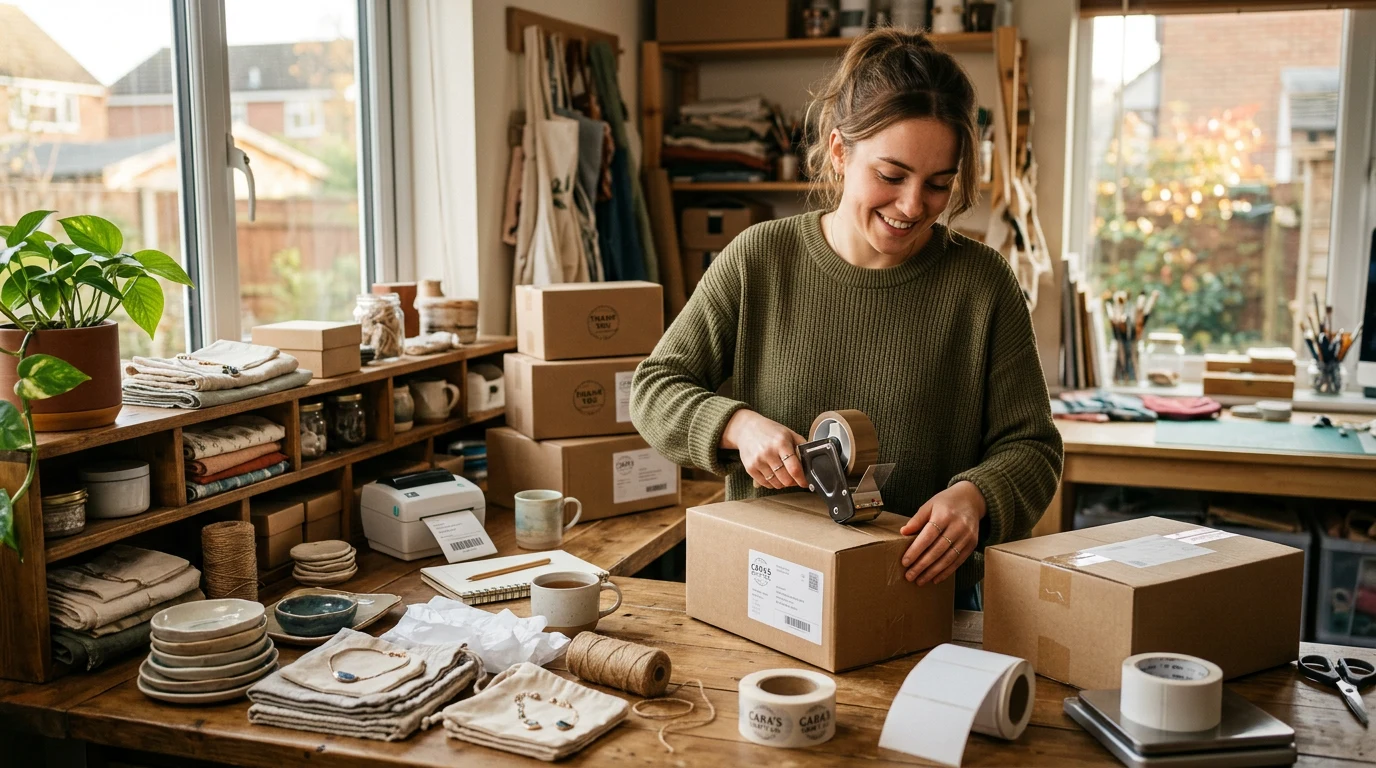
Etsy is great for: Handmade items, custom/personalized goods, craft supplies, digital patterns, vintage items (20+ years old), unique or niche products.
Etsy is not ideal for: Mass-produced items (against ToS), commodity products competing on price alone, items with very low margins (Etsy’s fees eat into thin margins), or products that need extensive customization discussions before purchase.
The crafts that sell best on Etsy share common traits: they’re visually appealing, they solve a problem or fulfill a desire that mass-produced alternatives can’t, and they’re priced to reflect handmade quality rather than competing with Amazon.
Setting Up Your Shop (Do This Right the First Time)
Choose a Shop Name
Your shop name should be memorable, easy to spell, and give some hint of what you sell. It doesn’t need to be clever or punny. Simple and clear beats creative and confusing. Check that the name isn’t trademarked and that the matching social media handles are available (even if you don’t plan to use them immediately).
Good examples: WoolAndWonder, StitchByEllie, ModernCrochetCo. These tell you something about the craft, are easy to remember, and feel approachable.
Write Your Shop Description and About Section
Your About section is where personality lives. Tell buyers who you are, why you make what you make, and what makes your products special. Include a photo of yourself (or your workspace) to build trust. Buyers on Etsy are specifically choosing handmade because they want a connection to the maker. Give them that connection.
Keep it warm and authentic. You don’t need a dramatic origin story. “I started crocheting during the pandemic and fell in love with making cozy, colorful blankets for the people I care about” is plenty.
Set Up Shop Policies
Clear policies prevent 90% of customer disputes. Cover these areas:
Shipping: Processing time (be realistic, pad by 1-2 days), shipping carriers used, whether you offer international shipping, tracking policy.
Returns: Handmade sellers can set their own return policy. Many offer exchanges but not refunds on custom items. Whatever you choose, be clear about it.
Custom orders: Do you accept them? What’s the process? How long do they take? What’s the deposit policy?
Product Photography: The Most Important Skill You’ll Develop
On Etsy, your photos are your storefront. Buyers scroll fast and make split-second decisions based on your first image. Great photography doesn’t require expensive equipment. It requires good light, a clean setup, and consistency.
The Basic Photography Setup
Light: Natural light near a large window is free and produces the best results. Shoot during daylight hours, ideally on an overcast day or with a sheer curtain diffusing direct sunlight. Harsh shadows are the enemy. Soft, even light is the goal. Mastering how to sell crafts on takes practice but delivers great results.
Background: A clean, uncluttered surface. White poster board ($2) works for clean product shots. A wooden table or textured fabric adds warmth for lifestyle shots. Pick one or two backgrounds and use them consistently across all listings.
Camera: Your smartphone is fine. Seriously. Modern phone cameras produce excellent product photos. The key is cleaning your lens (seriously, wipe it), using the back camera (not selfie), and keeping the phone steady (lean it against something or use a $10 tripod).
The Photos Every Listing Needs
Etsy allows up to 10 photos per listing. Use at least 5.
| Photo # | Type | Purpose |
|---|---|---|
| 1 | Hero shot | Best angle, most appealing presentation. This is what appears in search results. |
| 2 | Scale/context | Item being worn, held, or placed in a room. Shows size and use. |
| 3 | Detail close-up | Texture, stitching, craftsmanship details that show quality. |
| 4 | Alternate angle | Back, side, or another perspective of the item. |
| 5 | Flat lay or lifestyle | Item styled with complementary props (but don’t overdo props). |

- 【SEWING CUTTING MAT】Aneuzs self-healing cutting mat protects your work surface.
- 【SELF HEALING CUTTING MAT】Made of 5-layer PVC material, the white hardness PVC i
- 【ROTARY MAT SIZE】Rotary cutting mat measures approx.12 x 18 inches (A3 size), du
Writing Listings That Get Found (Etsy SEO)
Etsy is a search engine. Buyers type what they want and Etsy returns matching listings. Your job is to tell Etsy’s algorithm exactly what your product is so it shows up in relevant searches.
Titles
Your title should be keyword-rich and descriptive. Front-load the most important search terms. Etsy gives you 140 characters. Use them.
Good: “Chunky Crochet Baby Blanket, Handmade Newborn Gift, Soft Cotton Nursery Blanket, Baby Shower Present, Custom Colors Available”

Bad: “Beautiful Blanket” or “Baby Blanket For Sale” or “Handmade With Love”
The good example includes multiple search phrases that buyers actually type: “crochet baby blanket,” “handmade newborn gift,” “nursery blanket,” “baby shower present.” Each phrase is a potential search match.
Tags
Etsy gives you 13 tags per listing. Use all 13. Each tag can be a phrase of up to 20 characters. Use long-tail phrases rather than single words.
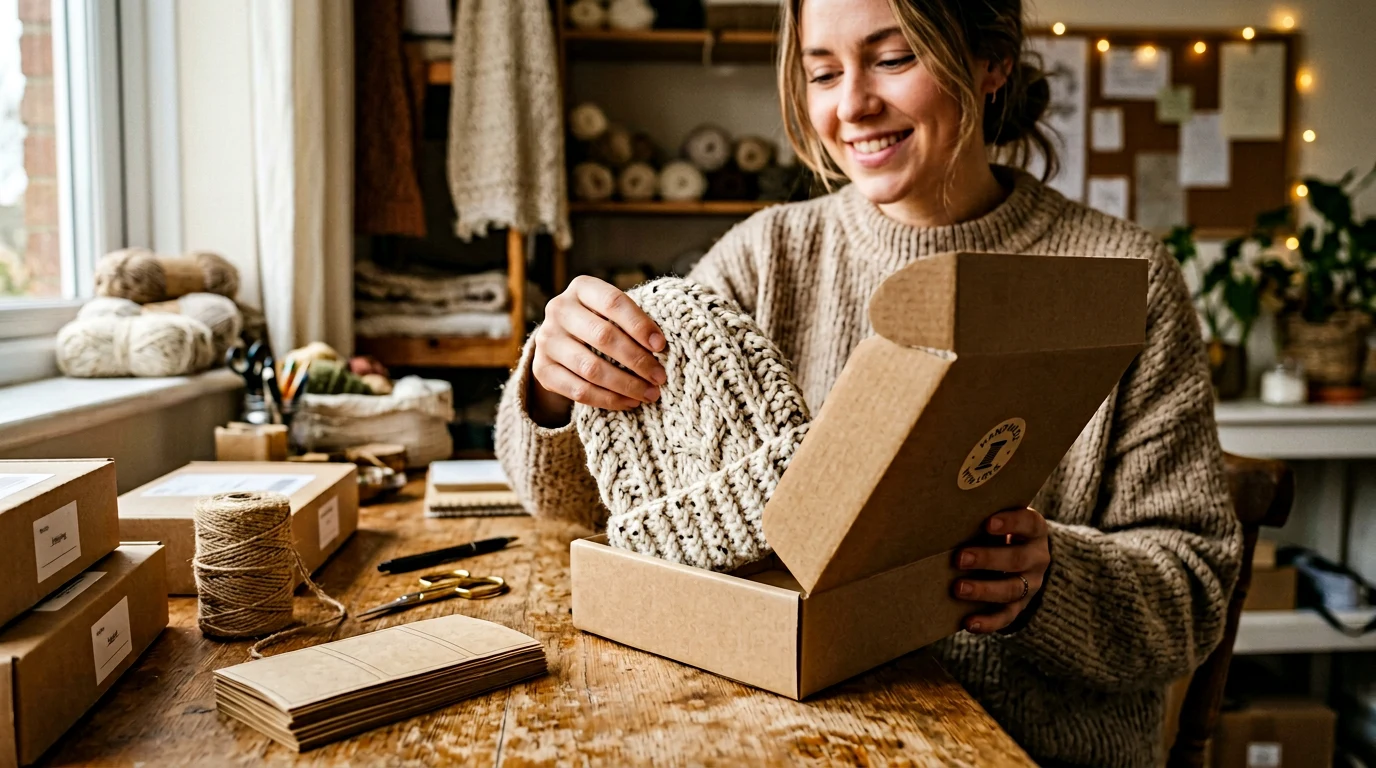
Good tags: “crochet baby blanket,” “newborn gift,” “baby shower gift,” “nursery decor,” “cotton baby blanket,” “handmade baby gift,” “custom baby blanket”
Bad tags: “baby,” “blanket,” “crochet,” “handmade,” “gift” (too generic, enormous competition)
Descriptions
Write descriptions for humans first, search engines second. Start with the most compelling details: what the item is, what makes it special, and who it’s perfect for. Then cover the practical details: dimensions, materials, care instructions, and shipping information.
Naturally include keywords throughout the description, but never at the expense of readability. A description that reads like a keyword dump alienates buyers. A description that tells a story while incorporating relevant terms serves both purposes.
Pricing for Profit (Not Just Sales)
Underpricing is the number one mistake new Etsy sellers make. Let’s fix that with a realistic pricing framework.
Calculate Your True Costs
Materials: Every single supply that goes into the product, including packaging. Understanding how to sell crafts on is key to a great craft hobby.
Labor: Time spent making the item, multiplied by your hourly rate ($15-25/hour minimum for skilled handwork).
Etsy fees: $0.20 listing fee + 6.5% transaction fee + 3% + $0.25 payment processing. For a $50 item, that’s approximately $5.20 in fees.
Overhead: Packaging, shipping supplies, photography time, listing time, customer communication. Estimate 15-20% of the item price.
Etsy Fee Breakdown for a $50 Item
| Fee Type | Amount |
|---|---|
| Listing fee | $0.20 |
| Transaction fee (6.5%) | $3.25 |
| Payment processing (3% + $0.25) | $1.75 |
| Offsite ads (if applicable, 15%) | $7.50 |
| Total without offsite ads | $5.20 |
| Total with offsite ads | $12.70 |
Note: Etsy’s offsite ads program automatically enrolls all shops. For shops under $10,000/year in revenue, you can opt out. For shops over $10,000, the 15% fee on sales from offsite ads is mandatory. Factor this into your pricing.
Getting Your First Sales
The hardest sales on Etsy are your first 10. After that, reviews build social proof and Etsy’s algorithm starts favoring your shop. Here’s how to get there.
Tell Everyone You Know
Share your shop with your personal network. Friends, family, coworkers, social media followers. This isn’t “being salesy.” You made something and you’re sharing it. People in your circle want to support you. Your first 5-10 sales and reviews will likely come from your existing network, and those reviews are the foundation everything else builds on.
Optimize for Etsy Search
Follow the SEO guidelines above religiously. Etsy’s search algorithm considers title relevance, tag matches, listing quality (photos, description completeness), and recency. New listings get a temporary boost in search results, so list items steadily over time rather than all at once.
Social Media (Choose One Platform)
Instagram and TikTok drive the most Etsy traffic for craft sellers. Pick whichever platform you’re most comfortable with and post consistently. Process videos (showing you making the product) consistently outperform static photos for craft sellers. You don’t need thousands of followers. Even a small, engaged audience of 200-500 followers can drive meaningful Etsy traffic.
Etsy Ads (Use Carefully)
Etsy’s internal advertising system lets you promote listings within Etsy search. Start with a small budget ($1-3/day) and test which listings convert. If a listing gets clicks but no sales, the issue is usually pricing or photos. If it gets no clicks, the issue is the title or first photo. Use ads as a diagnostic tool, not just a traffic tool.
Customer Service That Builds Your Reputation
On Etsy, reviews are everything. A shop with 50 five-star reviews sells dramatically more than a shop with 5 reviews, even if the products are identical. Every customer interaction is an opportunity to earn a great review.
Respond quickly. Reply to messages within 24 hours. Faster is better. Etsy tracks your response time and displays it to potential buyers.
Ship on time. Meet or beat your stated processing time. Consistent on-time shipping builds trust and earns Etsy’s “Star Seller” badge, which increases buyer confidence.
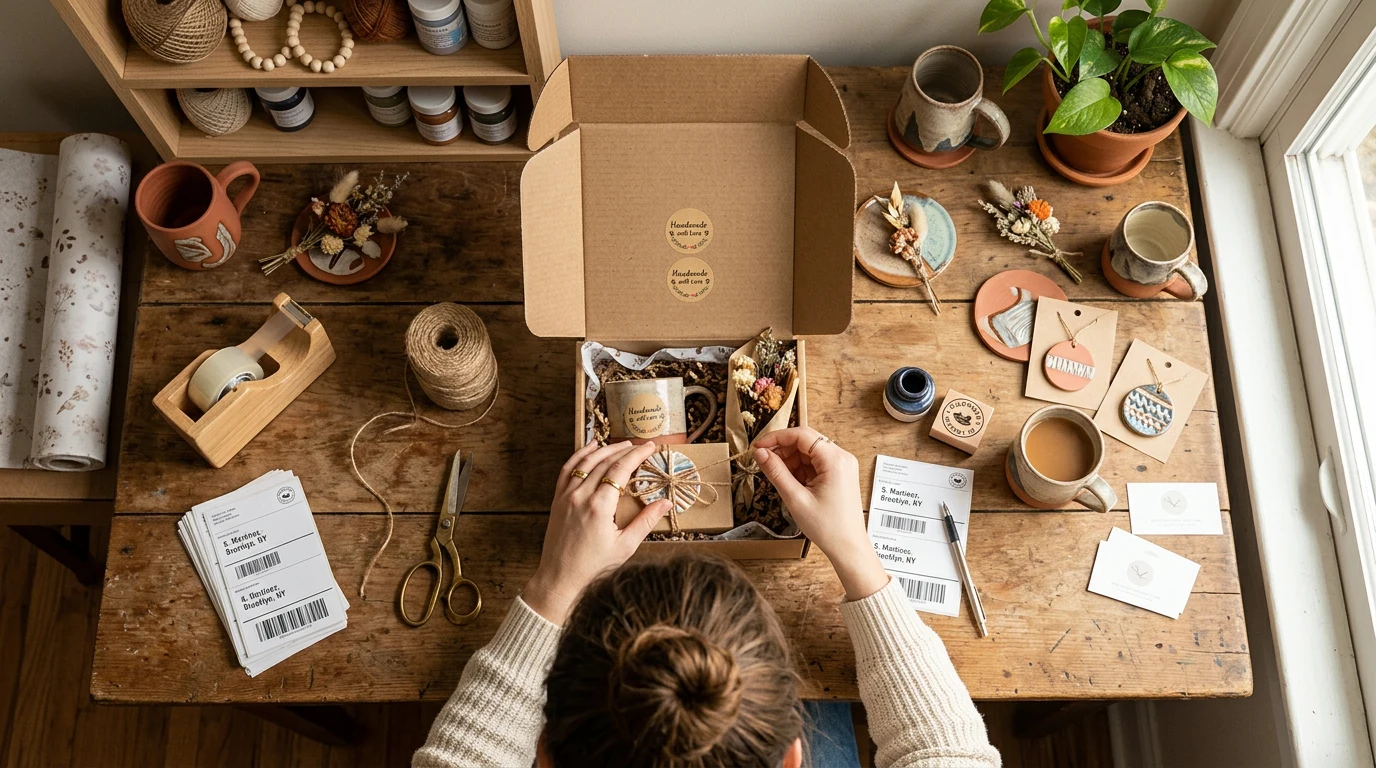
Package with care. Your packaging is part of the product experience. It doesn’t need to be elaborate, but it should protect the item and feel intentional. A handwritten thank-you note costs nothing and dramatically increases the chance of a positive review.
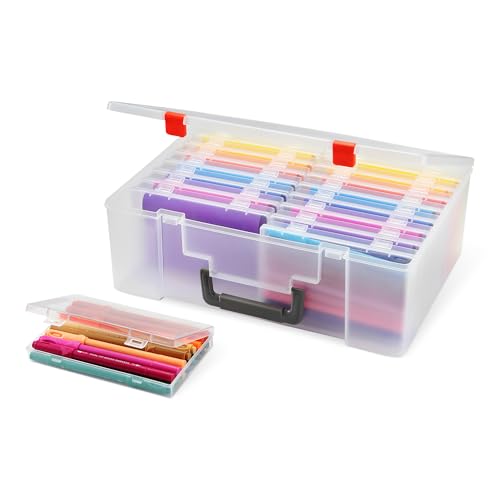
Handle problems gracefully. Occasionally, items arrive damaged, get lost in shipping, or don’t meet expectations. How you handle these situations defines your shop’s reputation. Offer solutions promptly: a replacement, a refund, or a discount on a future order. A problem well-handled often results in a better review than a flawless transaction.
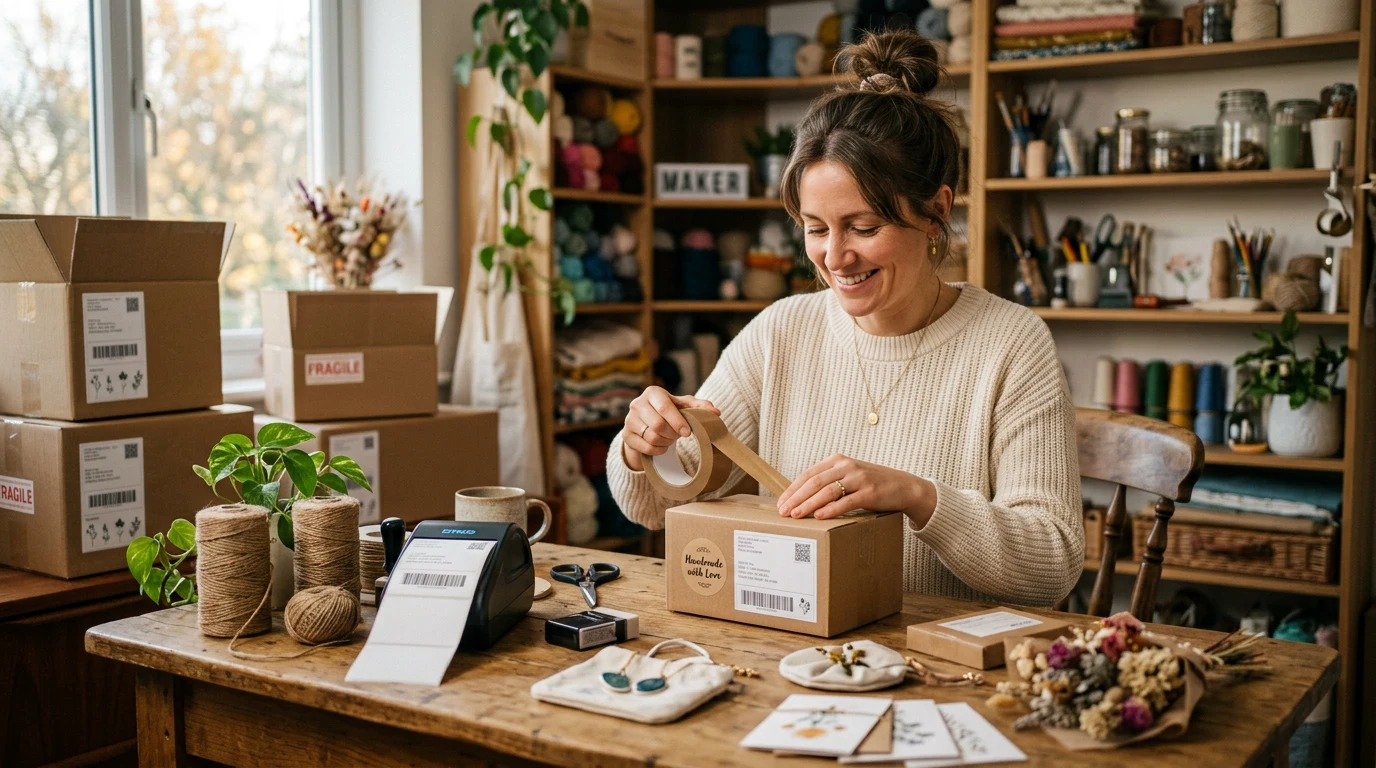

- PHOTO STORAGE: Each case holds up to 100 4×6-inch photographs with 16 clear comp
- MULTI-PURPOSE: Perfect for organizing photos, craft supplies, scrapbooking items
- DURABLE PROTECTION: Constructed with crack-resistant polypropylene plastic for l
Scaling Your Etsy Shop
Once your first products are selling, these strategies help you grow sustainably. When it comes to how to sell crafts on, preparation matters most.
Expand Your Product Line Strategically
Add products that complement your existing offerings. If your crochet baby blankets sell well, add matching hats, booties, or rattle toys. Related products increase average order value and give returning customers reasons to come back. Aim for 20-50 active listings as a mid-term goal. More listings mean more chances to appear in search results.
Add Digital Products
If you design your own patterns, selling them as digital downloads is the highest-margin product you can offer. Zero shipping, zero materials cost, infinite inventory. Pattern sales can become a significant income stream alongside physical products. According to Etsy’s Seller Handbook, digital products are among the fastest-growing categories on the platform.
Analyze Your Data
Etsy provides detailed analytics showing where your traffic comes from, which listings get the most views, and what search terms bring buyers to your shop. Check your stats weekly and adjust your strategy based on what the data tells you. If a listing gets views but no sales, test new photos or pricing. If a search term drives traffic, create more products targeting that term.
Build an Email List
Etsy doesn’t give you direct access to customer emails for marketing. Build your own list by including a card in every shipment inviting customers to join your newsletter (offer a small discount as incentive). An email list lets you announce new products, run sales, and drive traffic to your shop independently of Etsy’s algorithm.
Common Etsy Seller Mistakes
Not using all 13 tags. Every empty tag slot is a missed opportunity for search visibility. Use them all.
Poor first photo. Your first listing photo is the thumbnail that appears in search results. It needs to be your absolute best image. Bright, clear, and immediately showing what the product is.
Inconsistent posting. Etsy’s algorithm rewards active shops. Listing new products regularly (even one per week) signals to Etsy that your shop is active and should be shown in search results.
Ignoring analytics. Flying blind wastes time and money. Check your Etsy stats at least weekly to understand what’s working and what isn’t.
Trying to compete on price. If you’re the cheapest option, you’re telling buyers your work isn’t worth much. Compete on quality, uniqueness, and customer experience instead. The buyers worth having aren’t looking for the lowest price. They’re looking for the best value.
Frequently Asked Questions
How much does it cost to start an Etsy shop?
Opening an Etsy shop is free. Each listing costs $0.20 and stays active for 4 months (or until it sells). With 10 initial listings, your total startup cost on Etsy is $2.00. Additional costs include your product materials, packaging supplies, and potentially shipping supplies. Etsy takes a combined fee of approximately 10-12% per sale (transaction + payment processing). There’s no monthly subscription required for the standard plan, though Etsy Plus ($10/month) offers some additional features.
How long does it take to make your first sale on Etsy?
Most new shops make their first sale within 1-6 weeks if they have optimized listings, good photography, and actively share their shop with their network. Some sellers get a sale within the first week; others take a few months. The biggest factors are product demand, pricing competitiveness, listing quality (photos and SEO), and whether you’re driving any external traffic from social media or personal networks. Patience is essential. Most successful Etsy shops took 3-6 months to build consistent sales momentum.
What handmade items sell best on Etsy?
Personalized and custom items consistently rank as top sellers on Etsy. Custom name blankets, personalized jewelry, monogrammed gifts, and made-to-order items command premium prices and have high demand. Beyond personalization, categories with strong Etsy sales include crochet wearables (especially trendy items), handmade candles, unique home decor, digital patterns, craft kits, and seasonal items (holiday ornaments, wedding accessories). The key differentiator is uniqueness: items that can’t be found at a regular store.
Do I need a business license to sell on Etsy?
Etsy itself doesn’t require a business license, but your local jurisdiction might. Most US cities and states require some form of business registration to sell goods, even from home. Check your city and state requirements. You’ll also need to report Etsy income on your taxes. If you make over $600 on Etsy in a year, Etsy will send you a 1099-K form. Consider registering as a sole proprietorship or LLC depending on your sales volume and risk tolerance.
How do I deal with copycats on Etsy?
Copycats are unfortunately common on Etsy. Your best protections are building a strong brand that’s hard to replicate, maintaining higher quality than imitators, and providing excellent customer service that earns loyal repeat buyers. If someone directly copies your photographs or product descriptions, you can file an intellectual property report through Etsy’s legal tools. For design copying, the situation is more complex. Focus on continuously innovating and improving rather than chasing copycats, which is usually a more productive use of your energy.
Is Etsy the right platform for selling my handmade crafts?
Etsy is ideal if you make handmade items, custom goods, craft supplies, or vintage pieces (20+ years old). However, it’s not suitable for mass-produced items, commodity products competing on price alone, or items with very low profit margins since Etsy’s fees will cut into your earnings.
What should I consider when choosing a shop name on Etsy?
Your shop name should be memorable, easy to spell, and hint at what you sell. Keep it simple and clear rather than clever or confusing, and make sure it’s not trademarked and that matching social media handles are available for future use.
How many potential buyers can I reach by selling crafts on Etsy?
Etsy has over 90 million active buyers who are specifically searching for handmade, vintage, and craft supply items. This gives you access to a built-in audience of people who already want the types of products you make.
What’s the difference between opening an Etsy shop and actually making sales?
Opening a shop is just the first step; actually selling requires proper shop setup, quality product photography, well-written listings, and marketing your work. Success depends on how you present your crafts and reach potential buyers, not just having a shop open.
These statements have not been evaluated by the Food and Drug Administration. This information is not intended to diagnose, treat, cure, or prevent any disease. Content is for informational purposes only and is not medical advice; consult a qualified healthcare provider before starting any supplement. As an Amazon Associate we earn from qualifying purchases.
