If you want to know about 8 best yarns for beginners, this guide covers everything you need. Picking the best yarn for beginners is one of those choices that seems minor but genuinely affects how much you enjoy learning to knit. The wrong yarn can make stitches impossible to see, split at every touch, or feel scratchy enough to make you question the whole hobby. The right yarn is forgiving, clear, and pleasant to work with.
We reviewed verified buyer feedback, fiber specifications, and knitting instructor recommendations to identify eight yarns that consistently help new knitters succeed.
Our reviews are based on aggregated verified buyer feedback, manufacturer specifications, and published expert opinion. Products are not independently tested by our team.
Disclosure: This article may contain affiliate links. If you purchase through these links, we may earn a small commission at no extra cost to you. This helps support our work in bringing you helpful craft content.
What to Look for in Beginner Yarn: 8 Best Yarns For Beginners
Before you buy anything, understand what makes yarn beginner-friendly:
- Weight: Medium/worsted weight (labeled “4” on the skein). Thick enough to see stitches, thin enough to work comfortably.
- Color: Light, solid colors. You need to see every stitch clearly. Save dark, variegated, or novelty yarns for later.
- Texture: Smooth, plied yarn. Avoid anything fuzzy, fluffy, boucle, or “eyelash.” These yarns hide your stitches and make it nearly impossible to fix mistakes.
- Fiber: Acrylic is the most beginner-friendly. It’s affordable, machine washable, widely available, and comes in every color. Wool is lovely but can felt if washed wrong. Cotton has no stretch, which makes it harder to knit evenly.
- Price: You’ll make mistakes and frog (unravel) your first projects multiple times. Don’t invest in expensive yarn until your tension is consistent.
Quick Comparison: Best Beginner Yarns
| Yarn | Fiber | Weight | Yardage | Best For |
|---|---|---|---|---|
| Caron Simply Soft | 100% Acrylic | 4 (Worsted) | 315 yds | Overall best beginner yarn |
| Lion Brand Wool-Ease | Acrylic/Wool blend | 4 (Worsted) | 197 yds | Best blend for warmth |
| Red Heart Super Saver | 100% Acrylic | 4 (Worsted) | 364 yds | Best budget yarn |
| Bernat Softee Baby | 100% Acrylic | 3 (DK/Light) | 362 yds | Softest acrylic |
| Knit Picks Mighty Stitch | Acrylic/Wool | 4 (Worsted) | 208 yds | Best value premium feel |
| Cascade 220 Superwash | 100% Superwash Wool | 4 (Worsted) | 220 yds | Best entry-level wool |
| Paintbox Simply Aran | 100% Acrylic | 4 (Aran/Worsted) | 208 yds | Best color range |
| Lily Sugar’n Cream | 100% Cotton | 4 (Worsted) | 120 yds | Best for dishcloths |

- Crochet hooks for arthritic hands has black natural wood handle, lightweight, no
- Crochet Kit for Beginners have an independent slot for easy access. It has clear
- Crochet set has metal inline hook heads, repeatedly polished, smooth and durable
Detailed Reviews
1. Caron Simply Soft (Best Overall for Beginners)
If you could only buy one yarn to learn with, Caron Simply Soft is the one to grab. It’s a 100% acrylic worsted weight yarn with a silky smooth texture that glides beautifully on needles without being slippery. The stitch definition is excellent, meaning you can clearly see each individual stitch, which is critical when you’re learning.
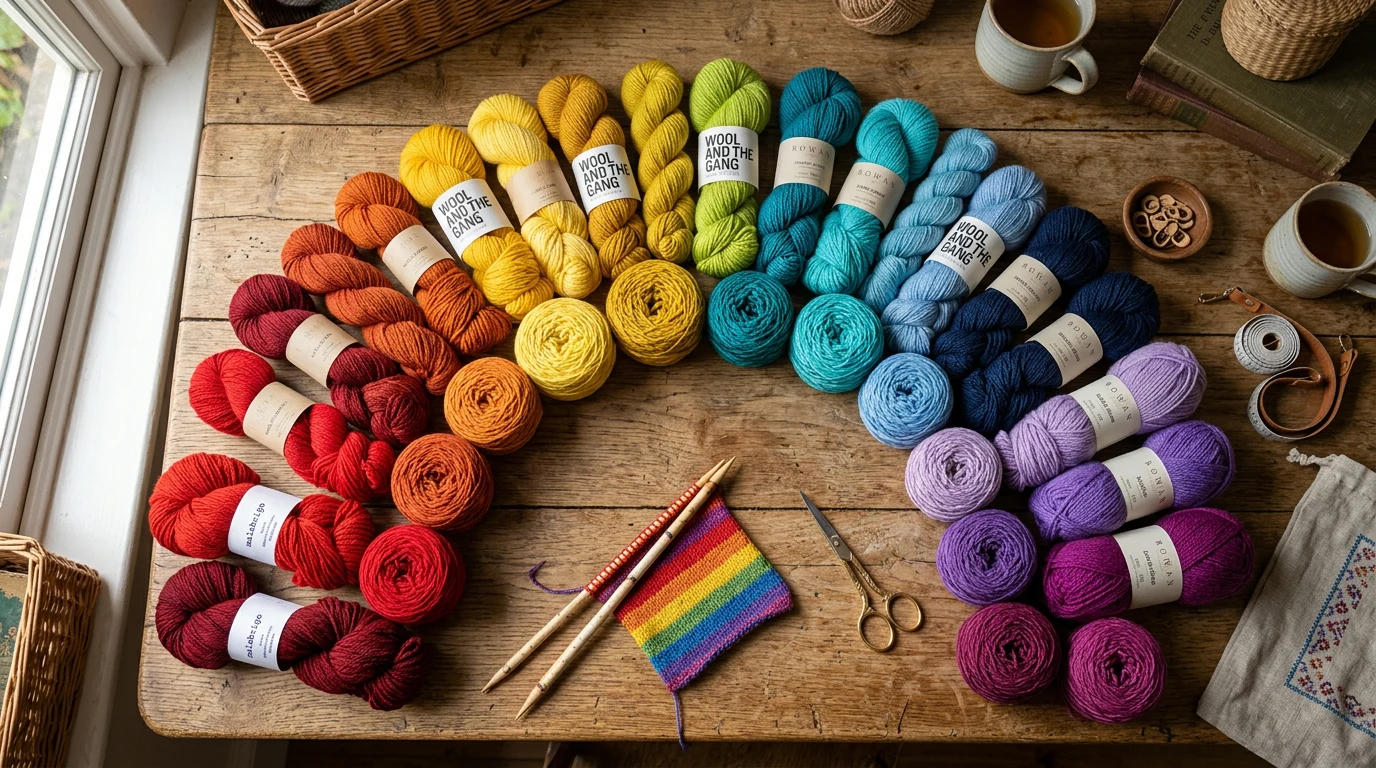
Across hundreds of buyer reviews, the word that comes up most is “soft.” This yarn actually feels nice against your skin, which isn’t always true of budget acrylics. It’s machine washable and dryable, comes in over 40 solid colors, and each skein gives you a generous 315 yards. For a beginner scarf, two to three skeins is plenty.
Pros:
- Exceptionally soft for acrylic
- Excellent stitch definition
- Huge color selection in solids
- Generous yardage per skein
- Machine wash and dry
- Affordable price point
Cons:
- Can split if you’re not careful with needle entry
- Tends to pill with heavy wear
- Slightly slippery on metal needles (use bamboo)
2. Lion Brand Wool-Ease (Best Blend for Warmth)
Lion Brand Wool-Ease blends 80% acrylic with 20% wool, giving you the easy-care properties of acrylic with a touch of wool’s natural warmth and elasticity. The small percentage of wool adds a subtle bounce to the yarn that many knitters find satisfying to work with.
Buyers praise this yarn for projects that need to feel warmer than pure acrylic, like scarves and hats. The 20% wool content isn’t enough to cause felting if you accidentally machine wash it (though hand washing is still recommended). It comes in a wide range of colors including some attractive heathered options. The stitch definition is very good.
Pros: Mastering 8 best yarns for beginners takes practice but delivers great results.
- Warmth of wool, ease of acrylic
- Nice bounce and elasticity
- Good stitch definition
- Beautiful heathered colorways
- Widely available
Cons:
- Less yardage than pure acrylic options (197 yards)
- Slightly higher price than budget acrylic
- Some colorways are more scratchy than others
3. Red Heart Super Saver (Best Budget Yarn)
The Red Heart Super Saver is the workhorse of the yarn world. It’s inexpensive, comes in an enormous range of colors, and you can find it at virtually any store that sells craft supplies. At 364 yards per skein, it’s also one of the most generous options available.
Buyer reviews are polarized. Many love the durability, color range, and affordability. Others find the texture scratchy and stiff compared to softer acrylics. Here’s the thing: for practice yarn that you’re going to knit, frog, and re-knit multiple times while learning, softness isn’t the priority. Durability and low cost are. Red Heart Super Saver handles being unraveled and re-knit beautifully.
A widely shared tip from experienced knitters: wash the finished item with fabric softener, and the yarn softens dramatically.
Pros:

- Lowest cost per yard of any quality yarn
- Available everywhere
- Huge color range (100+ colors)
- Extremely durable, holds up to frogging
- Machine washable
Cons:
- Scratchy straight from the skein
- Stiff texture until washed
- Not ideal for garments worn against skin
4. Bernat Softee Baby (Softest Acrylic)
Despite the name, Bernat Softee Baby is not just for baby items. It’s a DK/light worsted weight yarn that many adult knitters use for garments, blankets, and accessories because it’s incredibly soft. If you’re learning to knit specifically because you want to make something cozy and wearable, this yarn delivers that softness from your very first swatch.
Buyers consistently describe this as one of the softest affordable acrylics available. The slightly lighter weight (labeled “3” on the ball band) means stitches are a bit smaller than standard worsted, so use needles in the US 6 to US 8 range. The solid pastels are particularly popular, though deeper colors are available.
Pros:
- Extremely soft, even by acrylic standards
- Great for baby gifts (hypoallergenic)
- Generous 362-yard skeins
- Machine washable and dryable
- Beautiful pastel palette
Cons:
- Lighter weight than standard worsted (adjust needle size)
- Limited color range in non-pastel options
- Can feel “squeaky” on metal needles
5. Knit Picks Mighty Stitch (Best Value Premium Feel)
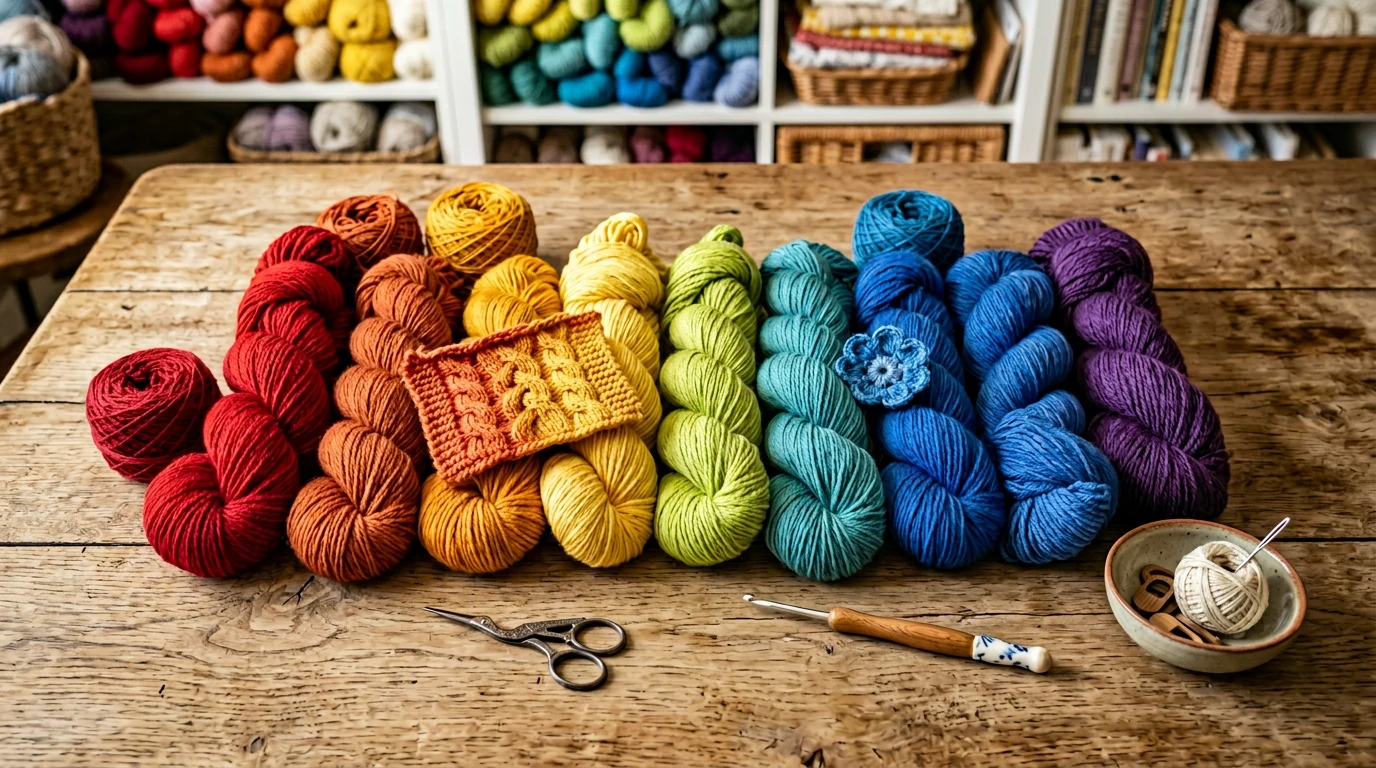
Knit Picks Mighty Stitch blends 80% acrylic with 20% superwash wool, and the result feels significantly more luxurious than its modest price tag suggests. The superwash treatment means the wool component won’t felt in the washing machine, giving you worry-free care. Understanding 8 best yarns for beginners is key to a great craft hobby.
Reviewers consistently note that this yarn punches well above its price point. It has a lovely sheen, excellent stitch definition, and enough body to make cables and textured patterns pop. The color palette leans toward sophisticated, muted tones rather than the bright primaries you find in most budget yarns. Only available from KnitPicks.com, which means ordering online.
Pros:
- Premium feel at a budget price
- Superwash wool for machine washability
- Excellent stitch definition
- Sophisticated color palette
- Good elasticity from wool content
Cons:
- Online-only purchase
- 208 yards per skein (moderate)
- Can split occasionally
6. Cascade 220 Superwash (Best Entry-Level Wool)
When you’re ready to try real wool, Cascade 220 Superwash is the gold standard entry point. It’s 100% Peruvian highland wool that’s been superwash treated, so you can machine wash it without felting. The yarn has beautiful stitch definition, satisfying elasticity, and that distinctive warmth that only real wool provides.
This yarn is a favorite of knitting instructors and pattern designers. When a knitting pattern says “worsted weight wool,” Cascade 220 is often what they used to develop it. The color range is massive, with over 100 colors available. As reported by the Craft Yarn Council, wool yarns like Cascade 220 offer natural temperature regulation and moisture wicking that synthetic fibers can’t match.
Pros:
- 100% real wool at an accessible price
- Machine washable (superwash)
- Industry-standard yarn for patterns
- Massive color selection
- Excellent stitch definition and memory
Cons:
- More expensive than acrylic
- Some people find wool itchy
- 220 yards per skein (may need more skeins)
- Needs gentle machine cycle
7. Paintbox Simply Aran (Best Color Range)
Paintbox Simply Aran is a 100% acrylic yarn from LoveCrafts that comes in over 70 beautifully curated colors. Where most budget acrylics offer basic primaries and pastels, Paintbox provides sophisticated shades like dusty rose, sage green, and vintage gold.
Verified buyers love the color consistency across dye lots and the soft hand feel. The yarn knits up with clean stitch definition and blocks well. It’s a great choice if you’re motivated by making something beautiful and want color choices that inspire you. Available exclusively through LoveCrafts.com.
Pros:
- Beautiful, curated color palette
- Soft hand feel for acrylic
- Consistent dye lots
- Affordable per skein
- Good stitch definition
Cons: When it comes to 8 best yarns for beginners, preparation matters most.

- Online-only (LoveCrafts exclusive)
- 208 yards per skein
- International shipping can add time
8. Lily Sugar’n Cream (Best for Dishcloths)
If your first project is a dishcloth (an excellent beginner choice), Lily Sugar’n Cream is the go-to cotton yarn. It’s 100% cotton, absorbent, durable, and machine washable. Cotton creates a sturdy, non-stretchy fabric that’s perfect for kitchen and bathroom items.
Buyers consistently praise its durability, noting that dishcloths knit from Sugar’n Cream last for years. The yarn comes in a wide range of colors including fun ombre and stripes options. The main caveat: cotton has zero elasticity, which makes it harder to knit evenly than acrylic or wool. Your tension will matter more. But for dishcloths specifically, it’s unbeatable.
Pros:
- Perfect for dishcloths and home goods
- Extremely durable
- 100% cotton, absorbent
- Machine washable
- Very affordable
Cons:
- No stretch, harder to maintain even tension
- Only 120 yards per ball
- Can feel stiff and rough on fingers
- Not suitable for garments (heavy and non-stretchy)
How Much Yarn Do You Need?
A rough guide for common beginner projects in worsted weight yarn:
| Project | Approximate Yardage | Skeins Needed (avg.) |
|---|---|---|
| Practice swatch | 25-50 yards | 1 skein (partial) |
| Dishcloth | 75-100 yards | 1 skein |
| Scarf | 400-600 yards | 2-3 skeins |
| Hat | 150-250 yards | 1-2 skeins |
| Cowl | 200-400 yards | 1-2 skeins |
| Baby blanket | 800-1200 yards | 3-5 skeins |
Always buy one extra skein from the same dye lot. Running out mid-project is far more frustrating than having leftover yarn.
- Winds up to 10oz balls
- Adjustable swift included
- Heavy-duty clamp base
Frequently Asked Questions
What weight yarn should beginners use?
Medium/worsted weight (labeled “4” on the yarn band) is the standard recommendation for beginners. It’s thick enough to see your stitches clearly and works comfortably with US size 7 to 9 needles. Lighter weights require smaller needles and more precise tension, while bulky yarns can hide stitch mistakes.
Is acrylic yarn bad?
Absolutely not. While some experienced knitters prefer natural fibers, modern acrylic yarns are soft, durable, affordable, and easy to care for. They’re machine washable, hypoallergenic, and available in every color imaginable. For beginners especially, acrylic is the smart choice because you can practice without worrying about wasting expensive materials.
Why shouldn’t beginners use dark-colored yarn?
Dark colors (black, navy, dark brown) make it extremely difficult to see individual stitches, which is critical when you’re learning. You need to count stitches, identify mistakes, and understand the structure of your knitting. Light to medium solid colors provide the best visibility. Save dark colors for after you can knit confidently by feel.
What’s the difference between yarn weight and yarn fiber?
Yarn weight refers to how thick the strand is (from superfine/lace to super bulky). Yarn fiber refers to what the yarn is made from (acrylic, wool, cotton, silk, etc.). These are independent qualities. You can have a bulky cotton yarn or a fingering-weight wool. Both matter: weight determines which needle size to use and how the fabric drapes, while fiber determines how the finished item feels, washes, and wears.
Can you mix different yarns in one project?
Yes, but carefully. If you’re mixing yarns, try to match the weight (thickness) and gauge. Mixing fibers with different care requirements (like wool and acrylic) means you’ll need to follow the most restrictive care instructions for the entire piece. For beginners, it’s simplest to use one type of yarn throughout a project. Save mixing for when you’re more experienced with gauge and tension.
What weight yarn should I choose as a beginner knitter?
You should look for medium or worsted weight yarn labeled as “4” on the skein. This weight is thick enough to see your stitches clearly but thin enough to work with comfortably as you’re learning.
Why do the best yarns for beginners need to be light colored?
Light, solid colors make it easy to see every stitch you create, which is essential when you’re learning proper technique. Dark, variegated, or novelty yarns hide your stitches and make it nearly impossible to spot and fix mistakes.
Is acrylic yarn a good choice for someone just starting to knit?
Yes, acrylic is the most beginner-friendly fiber because it’s affordable, machine washable, widely available, and forgiving of mistakes. Since you’ll be frogging (unraveling) projects multiple times while learning, acrylic lets you practice without worrying about damaging expensive yarn.
What yarn textures should I avoid as a new knitter?
You should avoid fuzzy, fluffy, boucle, or eyelash textures because they hide your stitches and make it nearly impossible to fix errors. Stick with smooth, plied yarns until you’ve developed consistent tension and more experience.
These statements have not been evaluated by the Food and Drug Administration. This information is not intended to diagnose, treat, cure, or prevent any disease. Content is for informational purposes only and is not medical advice; consult a qualified healthcare provider before starting any supplement. As an Amazon Associate we earn from qualifying purchases.
