Watercolor painting offers a beautiful, flowing medium that captures light and emotion in ways other paints simply can’t match. While the transparent nature of watercolors might seem intimidating at first, mastering a few essential watercolor techniques for beginners will give you the confidence to create stunning artwork. Today, we’ll explore the fundamental techniques that every watercolor artist should know, from basic washes to more advanced effects that will bring depth and interest to your paintings.
Our reviews are based on aggregated verified buyer feedback, manufacturer specifications, and published expert opinion. Products are not independently tested by our team.
Flat Wash Technique
The flat wash is the foundation of watercolor painting and one of the first techniques every beginner should master. This technique creates an even, consistent area of color that forms the basis for many other watercolor effects. Think of it as painting a smooth sky or filling in a simple shape with uniform color.
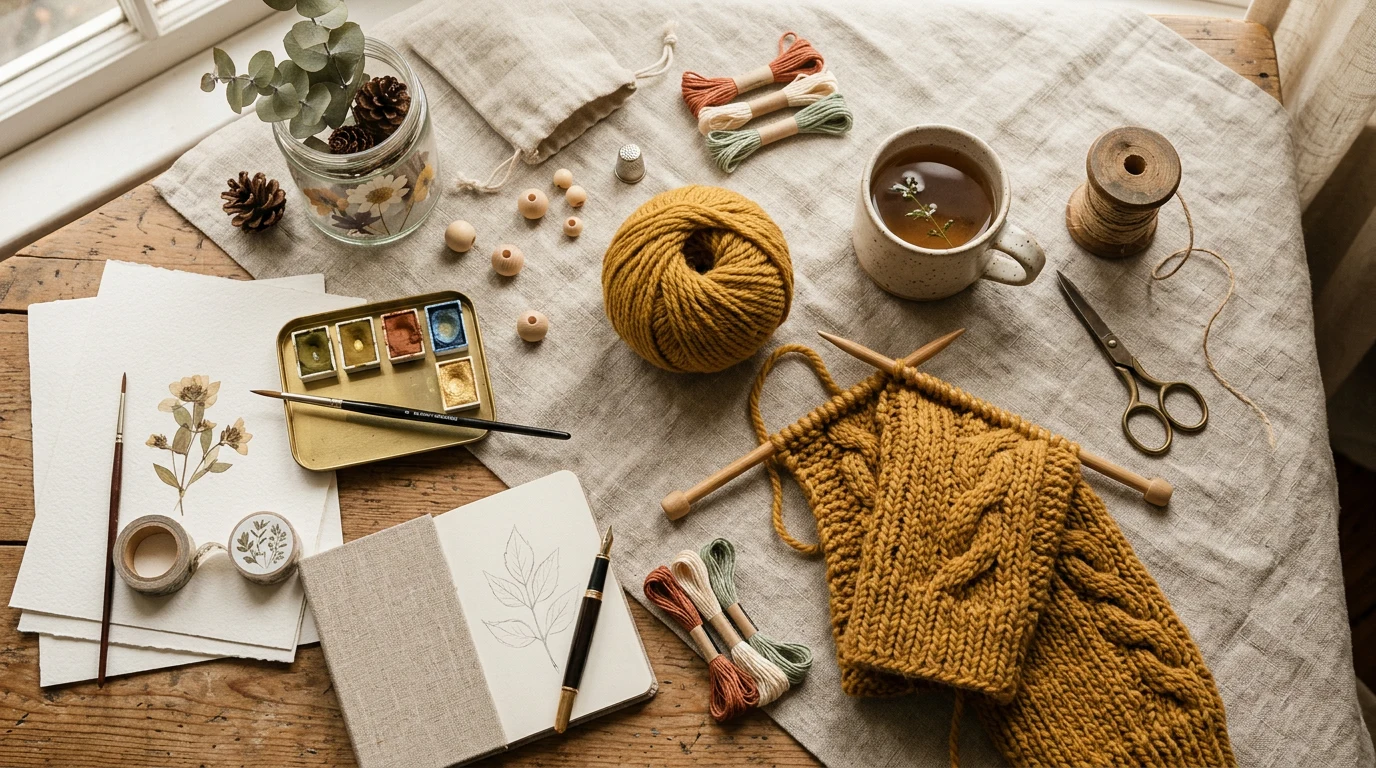
To create a perfect flat wash, start with quality watercolor paper like Arches watercolor paper in 140lb cold press, which provides the right amount of texture and absorbency. Mix more paint than you think you’ll need – running out of paint halfway through creates unwanted streaks and color variations that can’t be easily fixed.
Load your brush – a Princeton Heritage flat brush works beautifully for this technique – with the mixed paint and water solution. Starting at the top of your designated area, paint a horizontal stroke from left to right. Immediately below this first stroke, paint another horizontal line that slightly overlaps the bottom edge of the first stroke while the paint is still wet. The key is working quickly enough that each stroke blends seamlessly with the previous one.
Continue this process, working your way down the area you want to fill. The paint should flow naturally from stroke to stroke, creating a smooth, even wash. Buyers report that maintaining consistent brush pressure and working at a slight angle helps gravity assist in creating that perfect, streak-free finish.
If you notice the wash becoming patchy or uneven, resist the temptation to go back and “fix” it while it’s drying. This often makes the problem worse. Instead, let it dry completely and then apply another wash over the entire area if needed.
Graded Wash Technique
The graded wash technique creates a beautiful transition from dark to light (or vice versa) and is essential for painting realistic skies, water reflections, and creating depth in your compositions. This technique builds on the flat wash but incorporates a gradual color change that creates visual movement and interest.
Begin with your darkest color mixed and ready, just as you would for a flat wash. Paint your first horizontal stroke across the top of your designated area. For the second stroke, add a small amount of clean water to your brush before picking up more paint. This dilutes the color slightly, creating a subtle lightening effect.
Continue this process, adding progressively more water with each stroke while maintaining the overlapping technique. The Daniel Smith Extra Fine Watercolors work particularly well for this technique, as reviewers note their excellent flow and consistent pigment distribution make smooth transitions easier to achieve.
For a more dramatic graded wash, you can start with pure color and end with plain water, or begin with a medium tone and work toward both lighter and darker values. The key is planning your gradation before you begin and working quickly enough that each stroke remains wet when you apply the next one.
Practice this technique on Canson XL Watercolor pad sheets before attempting it on your final artwork. The smooth transition takes practice to master, but once you’ve got it, you’ll find yourself using graded washes in almost every painting.
Wet-on-Wet Technique
The wet-on-wet technique creates those dreamy, soft-edged effects that watercolor is famous for. This method involves applying wet paint to a surface that’s already wet, either with clean water or another color. The results are unpredictable and beautiful, making it perfect for painting clouds, soft florals, or abstract backgrounds.
Start by wetting your paper with clean water using a large, soft brush like the Da Vinci Casaneo series. The paper should be damp but not pooling with water – you want it evenly moist across the surface. Test the moisture level by touching a brush loaded with paint to the paper; it should spread gently without creating hard edges.
Once your paper is properly prepared, load your brush with paint and gently touch it to the wet surface. Watch as the color blooms and spreads naturally across the damp paper. The wetter the surface, the more the paint will spread; the drier the surface, the more controlled the spread will be.
You can create beautiful color blending effects by dropping different colors into the wet area while it’s still damp. The colors will mix and mingle on their own, creating organic, natural-looking transitions that are impossible to achieve with other techniques. The Winsor & Newton Cotman set provides excellent colors for this technique, offering good flow characteristics and vibrant mixing capabilities.
Timing is crucial with wet-on-wet work. If you add color when the surface is too wet, the paint will spread uncontrollably. If the surface is too dry, you’ll get hard edges instead of the soft, flowing effect you’re after. Learning to read the moisture level of your paper comes with practice and observation.

- Designed For Water-Based Paints – Wide variety of shapes and sizes for various w
- High Absorption, Consistent Flow – Soft synthetic squirrel bristles have great l
- No Shedding, No Flaking, Long-Lasting – Carefully handcrafted from quality mater
Wet-on-Dry Technique
In contrast to wet-on-wet, the wet-on-dry technique applies wet paint to completely dry paper, creating sharp, clean edges and precise control over your paint application. This technique is essential for detailed work, architectural subjects, and any area where you need crisp definition.
The beauty of wet-on-dry lies in its predictability. When you apply paint to dry paper, it goes exactly where you put it and stays there. This makes it perfect for adding details, creating sharp contrasts, or building up layers of color in specific areas.
Use this technique for painting tree branches, architectural details, or the sharp edge of a mountain against the sky. The Silver Black Velvet brushes work exceptionally well for wet-on-dry applications, as their fine points maintain their shape even when loaded with paint, allowing for precise detail work.
You can also use wet-on-dry to create texture and pattern. By varying the amount of water in your paint mixture, you can create everything from bold, opaque marks to delicate, transparent glazes. The key is understanding how much water to use – more water creates lighter, more transparent effects, while less water produces stronger, more opaque marks.
One advanced wet-on-dry technique involves painting negative spaces – the areas around your subject – rather than the subject itself. This approach requires careful planning but can create stunning results, especially when painting complex subjects like foliage or intricate patterns.

Glazing and Layering
Glazing is the technique of applying transparent layers of color over dried paint to create depth, richness, and complex color relationships. This technique is what gives watercolor paintings their characteristic luminosity and depth. Each layer should be completely dry before applying the next, and each glaze should be transparent enough to let the colors beneath show through.
Start with your lightest colors and work progressively darker, building up your painting in transparent layers. The Schmincke Akademie watercolors are particularly noted for their excellent glazing properties, maintaining transparency even when layered multiple times.
When glazing, mix your paint with plenty of water to maintain transparency. The paint should flow smoothly off your brush without being so watery that it’s difficult to control. Test your glaze on a separate piece of paper first to ensure it’s the right consistency and transparency.
Apply glazes quickly and confidently, avoiding the temptation to overwork the area. Multiple passes over the same area can disturb the underlying paint and create muddy, overworked results. Instead, plan each glaze carefully and apply it in smooth, decisive strokes.
Glazing allows you to create colors that would be impossible to mix on your palette. For example, a warm yellow glazed over a cool blue creates a vibrant green that maintains both the warmth of the yellow and the coolness of the blue. This optical mixing creates more complex and interesting colors than physically mixing the same pigments together.
You can also use glazing to adjust the temperature, value, or intensity of colors in your painting. A light glaze of complementary color can tone down an overly bright area, while a glaze of the same color can intensify and unify an area that looks patchy.
Lifting and Correcting
One of watercolor’s greatest challenges is also one of its most useful techniques – the ability to lift and remove paint. While watercolor is often considered unforgiving because of its transparency and quick drying time, learning lifting techniques gives you valuable tools for correcting mistakes and creating special effects.
There are several methods for lifting paint, each with different applications. The most basic is lifting wet paint with a clean, damp brush or paper towel. This technique works best immediately after applying the paint, while it’s still wet and hasn’t fully absorbed into the paper fibers.
For paint that has begun to dry but isn’t completely set, you can rewet the area with clean water and then lift with a paper towel or clean brush. This technique requires a gentle touch to avoid damaging the paper surface, especially when working on more delicate papers like the Strathmore 400 Series.
Dried paint can sometimes be lifted by rewetting the area and gently scrubbing with a clean brush, though this is more challenging and depends on the staining properties of the particular pigment. Some colors, like those found in the Kuretake Gansai Tambi set, lift more readily than others due to their formulation.
Lifting can also be used creatively to add highlights, create texture, or suggest form. By lifting paint from areas that should be lighter, you can create the impression of light falling on a surface or add sparkle to water. The key is working quickly and decisively – hesitation often leads to overworking and muddy results.
For more controlled lifting, you can use masking fluid before painting to preserve white areas, then remove the masking fluid once the paint is dry. This technique is particularly useful for maintaining bright highlights or creating precise white shapes within colored areas.
Dry Brush Technique
The dry brush technique uses relatively little water and allows the texture of the paper to show through, creating interesting textural effects perfect for suggesting rough surfaces like tree bark, stone walls, or weathered wood. This technique adds visual interest and can prevent your paintings from looking too smooth or uniform.
To execute the dry brush technique, load your brush with paint that has minimal water added – the paint should be creamy rather than fluid. Use a brush with some texture, like a flat synthetic brush, rather than a smooth round brush. The goal is to drag the relatively dry paint across the paper surface so that it catches only on the raised areas of the paper’s texture.
Work quickly with confident strokes, allowing the natural texture of your paper to break up the paint application. The rougher the paper surface, the more pronounced this effect will be. Cold-pressed papers like Arches watercolor paper work particularly well for this technique because of their moderate texture.
You can vary the effect by adjusting the pressure of your brush stroke and the amount of paint on your brush. Light pressure creates subtle texture effects, while heavier pressure deposits more paint and reduces the textural impact. Experiment with different brush types and paint consistencies to discover the range of effects possible.
The dry brush technique is excellent for adding final details and texture to your paintings. Use it to suggest the rough bark of a tree, the weathered surface of an old building, or the choppy surface of water. It’s also useful for creating atmospheric effects like fog or mist by lightly dragging dry color across previously painted areas.

- PAINT BRUSHES – ALL THE PAINT BRUSHES YOU NEED – Whether you’re a hobbyist or a
- PAINT BRUSHES FOR ACRYLIC PAINTING – WORKS WITH VARIOUS MEDIUMS – Use our 12 pie
- PAINT BRUSH SET – SOFT YET DURABLE BRISTLES – Our painting set holds up well reg
Salt and Texture Effects
Creating interesting textures in watercolor doesn’t always require advanced brush techniques. Simple household items like salt can create stunning textural effects that add visual interest and suggest natural textures like snow, sand, or weathered surfaces. Understanding these texture techniques expands your creative possibilities significantly.
The salt technique works by sprinkling table salt onto wet watercolor paint. The salt crystals absorb the water from the paint, creating lighter areas with interesting, organic patterns. The effect varies depending on how wet the paint is when you apply the salt and what type of salt you use.
Apply the salt while the paint is still quite wet but not pooling. If the paint is too wet, the salt will simply dissolve without creating texture. If it’s too dry, the salt won’t have enough moisture to work with. The timing takes practice, but the results are worth the effort.
Different types of salt create different effects. Table salt creates small, star-like patterns, while coarse sea salt or rock salt creates larger, more dramatic textures. Reviewers using various watercolor papers report that the salt effect works best on papers with good absorbency, like those in the Canson XL Watercolor pad series.
Once the paint and salt are completely dry, brush away the salt crystals to reveal the textured pattern underneath. The areas where the salt sat will be lighter than the surrounding paint, creating a natural, organic texture that’s perfect for suggesting snow-covered ground, sandy beaches, or weathered surfaces.
Other household items can create similar textural effects. Plastic wrap pressed into wet paint creates interesting linear patterns, while sponges can create cloud-like textures. Experimenting with different materials helps you discover new ways to add visual interest to your paintings.
Practice Exercises to Build Skills
Developing proficiency in watercolor techniques requires consistent practice and patience. Rather than jumping straight into complex paintings, spend time with focused exercises that isolate and develop each technique. This systematic approach builds muscle memory and confidence that will serve you well in more ambitious projects.

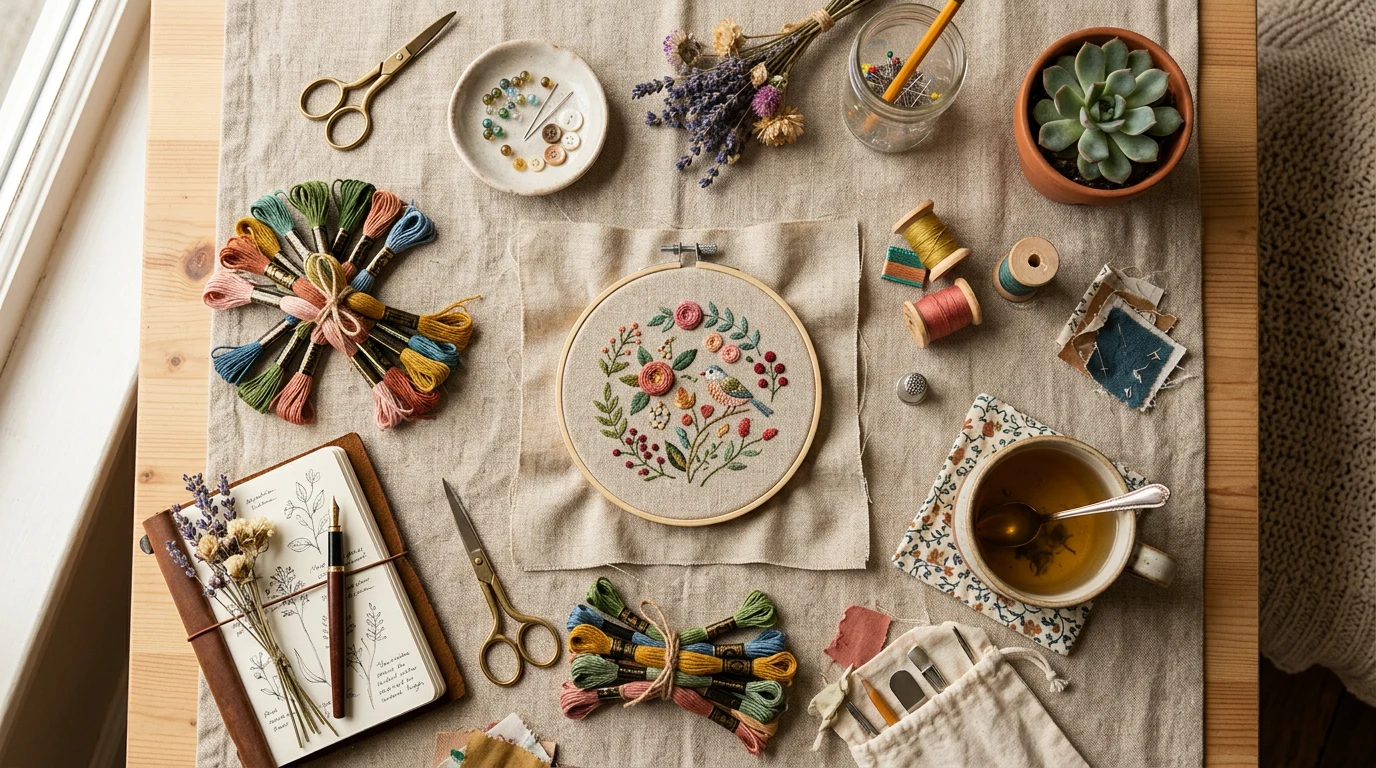
Create a practice journal using affordable paper like the Strathmore 400 Series for daily technique exercises. Dedicate specific pages to each technique, practicing the same skill repeatedly until it becomes second nature. This approach is more effective than sporadic practice on various techniques.
For flat wash practice, paint a series of rectangles, focusing on achieving perfectly even color distribution. Start with a single color mixed to different values, then progress to different colors. Pay attention to your brush loading, stroke consistency, and timing. According to the Winsor & Newton technique guide, consistent practice with basic washes forms the foundation for all other watercolor skills.
Practice graded washes by creating value scales from dark to light using a single color. This exercise teaches you to control the amount of water in your brush while maintaining smooth transitions. Try horizontal, vertical, and diagonal gradations to develop flexibility in your technique.
For wet-on-wet practice, experiment with different paper moisture levels and observe how they affect paint behavior. Drop different colors into wet areas and document the results. This experimental approach helps you understand the technique’s variables and potential.
Create texture studies using various techniques on the same subject – paint the same tree using wet-on-wet for soft foliage, wet-on-dry for sharp branches, and dry brush for bark texture. This comparative approach helps you understand when to use each technique.
Set up simple still life arrangements to practice observation and technique application. Start with basic shapes like fruits or simple household objects before progressing to more complex subjects. Focus on using the appropriate technique for each area rather than trying to create a masterpiece.
Keep a color mixing journal alongside your technique practice. Document successful color combinations and note which pigments work best for glazing, which lift easily, and which create the most vibrant wet-on-wet effects. This reference becomes invaluable as you develop your personal painting style.
Time yourself during technique exercises to build speed and confidence. Many watercolor techniques require quick, decisive application, and practicing under mild time pressure helps develop the necessary fluidity and confidence.
Finally, don’t be discouraged by less-than-perfect results during practice sessions. Watercolor has a learning curve, and even experienced artists continue to discover new possibilities within familiar techniques. The key is consistent practice combined with careful observation of your results.
Remember that mastering these essential watercolor techniques for beginners is a journey rather than a destination. Each technique offers endless variations and possibilities for creative expression. As you become comfortable with the basics, you’ll naturally begin combining techniques and developing your own unique approach to watercolor painting. The transparency, fluidity, and unpredictability that make watercolor challenging are also what make it endlessly rewarding for artists of all levels.
Frequently Asked Questions
What’s the best paper for practicing watercolor techniques?
For beginners practicing watercolor techniques, Arches watercolor paper in 140lb cold press provides excellent results, though Canson XL Watercolor pad offers a more budget-friendly option for daily practice exercises. The key is using paper specifically designed for watercolor rather than regular drawing paper.
How do I know if my paint is the right consistency for different techniques?
Paint consistency varies by technique: flat washes need fluid paint that flows easily, dry brush techniques require creamy paint with minimal water, and glazing needs very diluted, transparent mixtures. Test your paint consistency on scrap paper before applying it to your artwork.
Can I fix mistakes in watercolor paintings?
While watercolor is less forgiving than other mediums, you can lift wet paint immediately with paper towels or clean brushes. Some dried paint can be rewetted and lifted, though this depends on the pigment’s staining properties. Prevention through planning and practice is generally more effective than correction.
Why do my watercolor washes look streaky or uneven?
Streaky washes usually result from insufficient paint mixture, working too slowly so edges dry between strokes, or inconsistent brush loading. Mix more paint than you think you need, work quickly while edges remain wet, and maintain consistent brush pressure throughout the wash.
How long should I wait between layers when glazing?
Each layer must be completely dry before applying the next glaze to prevent disturbing the underlying paint. Drying time varies with humidity, paper thickness, and paint density, but typically ranges from 15 minutes to an hour. Test a corner with your finger – the paper should feel completely dry and cool to the touch.
What brushes work best for beginners learning these techniques?
A basic set should include a large flat brush for washes (Princeton Heritage series works well), a medium round brush for general painting (Da Vinci Casaneo offers good quality), and a small detail brush for fine work (Silver Black Velvet brushes maintain excellent points). Quality brushes hold more paint and maintain their shape better than cheap alternatives.
Is it better to use tube or pan watercolors for these techniques?
Both formats work well for these techniques. Tube colors like Daniel Smith Extra Fine Watercolors mix more easily and provide stronger color strength, while pan sets like Winsor & Newton Cotman are more portable and economical. Choose based on your painting style and budget preferences.

What is the flat wash technique and why should I learn it first?
The flat wash is the foundation of watercolor painting that creates an even, consistent area of color. Mastering this basic technique gives you the confidence to move on to more advanced effects and helps you understand how watercolor behaves on paper.
What supplies do I need to start learning watercolor techniques as a beginner?
You’ll need quality watercolor paper like Arches 140lb cold press, a good flat brush such as a Princeton Heritage, and watercolor paints. The right paper and brush make a significant difference in creating smooth, blended results without streaks.
Why does the article recommend mixing more paint than I think I’ll need?
Running out of paint halfway through a wash creates unwanted streaks and color variations that can’t be easily fixed. Having extra paint ensures you can work quickly and blend each stroke seamlessly with the previous one while the paint is still wet.
How do I prevent streaks when creating a flat wash with watercolors?
Work quickly by painting overlapping horizontal strokes from left to right while each previous stroke is still wet. The key is maintaining consistent paint consistency and allowing each new stroke to blend seamlessly into the one below it before the paint dries.

These statements have not been evaluated by the Food and Drug Administration. This information is not intended to diagnose, treat, cure, or prevent any disease. Content is for informational purposes only and is not medical advice; consult a qualified healthcare provider before starting any supplement. As an Amazon Associate we earn from qualifying purchases.
