Starting your soap making journey can feel overwhelming when you’re faced with endless lists of soap making supplies and wondering what you actually need versus what’s just nice to have. Whether you’re drawn to the creative process, want to control the ingredients in your skincare products, or simply love the idea of giving handmade gifts, having the right supplies makes all the difference in your success and enjoyment.
Our reviews are based on aggregated verified buyer feedback, manufacturer specifications, and published expert opinion. Products are not independently tested by our team.
The beauty of soap making lies in its accessibility—you don’t need a chemistry degree or expensive equipment to create beautiful, functional bars. However, knowing which supplies to prioritize and which brands consistently deliver quality results can save you time, money, and frustration as you develop your skills.
Complete Supply Checklist
Before diving into specific products, let’s establish what every soap maker needs in their toolkit. This comprehensive checklist covers both melt-and-pour and cold process soap making essentials, though beginners often find melt-and-pour more approachable for their first projects.
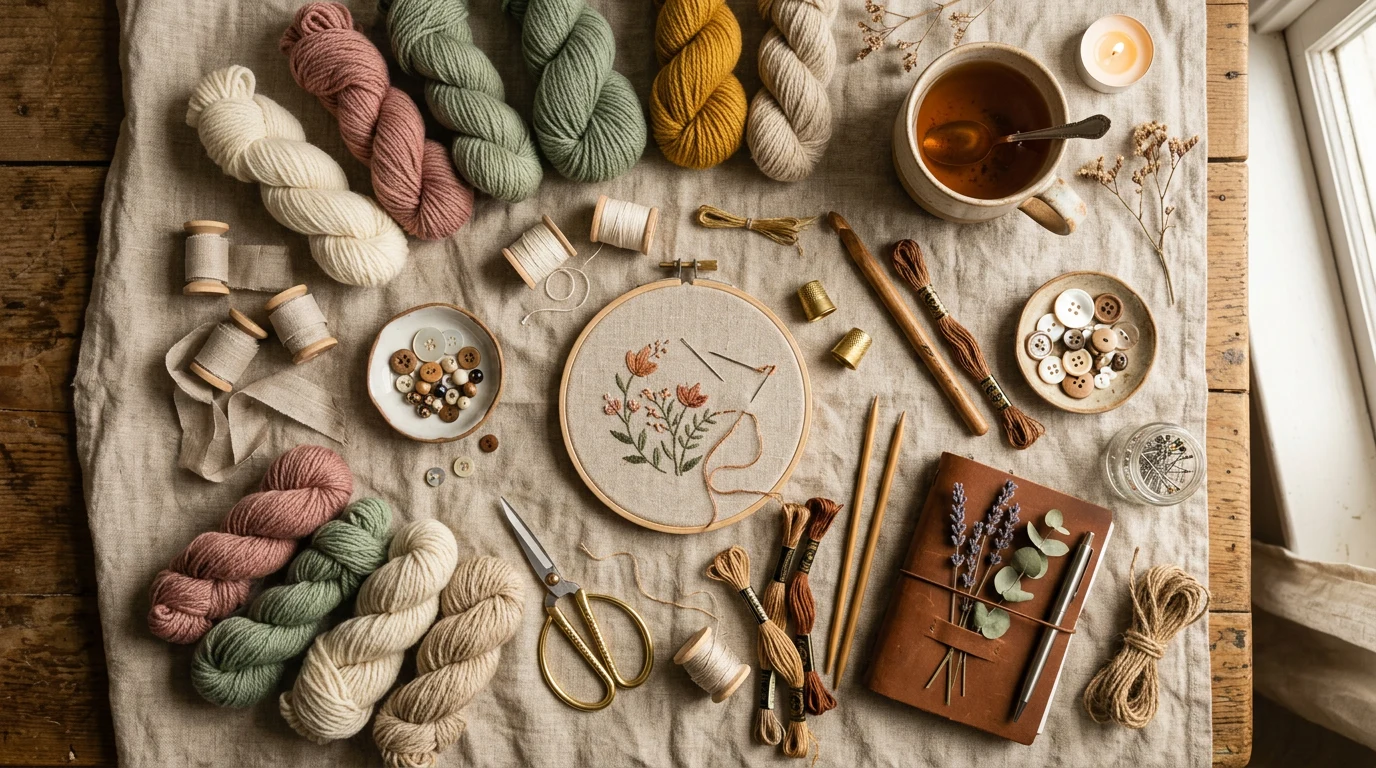
Essential Supplies for All Soap Making Methods
- Soap base (melt-and-pour) or lye and oils (cold process)
- Fragrance or essential oils
- Colorants (optional but fun)
- Soap molds
- Digital scale for accurate measurements
- Heat-safe mixing bowls and measuring cups
- Wooden or silicone stirring utensils
- Sharp knife for cutting bars
- Rubbing alcohol in spray bottle (for melt-and-pour)
- Safety equipment (gloves, goggles for cold process)
Additional Tools for Advanced Techniques
- Immersion blender (cold process)
- Thermometer
- Loaf molds for larger batches
- Soap stamps and embossing tools
- Beveling plane for finishing edges
- Shrink wrap or cellophane for packaging
- Labels and tags
Many newcomers to soap making wonder whether they need everything at once. The answer is absolutely not—start with the basics and build your collection as you discover which techniques and styles appeal to you most.
Soap Bases: Glycerin, Shea Butter, Goat’s Milk
Melt-and-pour soap bases provide the foundation for countless creative projects without requiring you to handle lye directly. These pre-made bases come in various formulations, each offering different benefits for your skin and different working properties.
Clear Glycerin Base
Bramble Berry’s clear melt-and-pour soap base consistently receives praise from soap makers for its clarity and ease of use. Buyers report that it melts smoothly without becoming stringy or developing a skin on top, which can be frustrating issues with lower-quality bases. This transparent base showcases colorants beautifully and allows for stunning layered effects.
The glycerin content provides moisturizing properties while creating a hard bar that lasts well in the shower. Many crafters appreciate that this base doesn’t have a strong scent, making it ideal for showcasing delicate essential oil blends or light fragrances.
Shea Butter Base
Stephenson’s shea butter melt-and-pour base appeals to soap makers who want to incorporate the moisturizing benefits of shea butter without the complexity of cold process methods. This opaque white base contains real shea butter, providing additional conditioning properties that buyers with dry skin particularly appreciate.
The creamy appearance complements pastel colors beautifully, and the slight natural scent of shea butter pairs well with vanilla, citrus, and floral fragrances. Reviewers note that this base produces a luxurious lather and leaves skin feeling softer than standard glycerin bases.
Goat’s Milk Base
Goat’s milk soap bases offer the skin-nourishing benefits of goat’s milk in an easy-to-use format. The natural lactic acid in goat’s milk provides gentle exfoliation, while the fats and proteins offer moisturizing benefits. This base typically produces a creamy, off-white soap with a rich, conditioning lather.
Soap makers often choose goat’s milk bases for their gentleness, making them suitable for sensitive skin. The natural color works well with earth tones and provides an elegant backdrop for botanical additives like oatmeal or dried herbs.
Essential Oils for Soap Making
Essential oils bring both fragrance and potential therapeutic benefits to your handmade soaps. However, not all essential oils perform equally well in soap applications, and some require special considerations for safety and scent retention.
Best Essential Oils for Beginners
Bulk Apothecary essential oils offer reliable quality at reasonable prices, making them popular among soap makers building their collections. Lavender essential oil remains the most versatile choice for beginners—it blends well with other scents, provides a calming aroma, and maintains its fragrance well in soap.
Peppermint essential oil delivers a refreshing scent that holds beautifully in soap, though users should start with smaller amounts as it can be quite potent. Sweet orange essential oil provides a cheerful, uplifting fragrance that appeals to most people and works well in both clear and opaque bases.
Essential Oil Safety Considerations
According to the International Fragrance Association (IFRA), certain essential oils require usage limits in cosmetic products to ensure skin safety. Citrus oils, while popular for their bright scents, can increase photosensitivity, making them less ideal for facial soaps or products used before sun exposure.
Tea tree oil, while beneficial for its antimicrobial properties, should be used sparingly as it can be irritating in high concentrations. Always research proper usage rates for essential oils in soap making, typically ranging from 0.5% to 3% of the total soap weight.
Blending Essential Oils
Creating custom essential oil blends allows you to develop signature scents for your soaps. Start with simple two-oil combinations before attempting complex blends. Popular beginner-friendly combinations include lavender and rosemary for an herbal blend, or peppermint and eucalyptus for an invigorating shower bar.
Keep detailed records of your blends, noting the ratios and total amounts used. This practice helps you recreate successful combinations and avoid repeating mistakes.

- Must-have soap making accessory: works well for both cp and mp soaps.2 stainless
- Perfect for soap making, 10 slots for cutting the soap equally into 1 inch each.
- It’s not only for soap, but also wonderful for cutting loaf, dessert and pastry,
Fragrance Oils: Scenting Options
Fragrance oils offer soap makers a wider range of scenting options than essential oils alone, including seasonal scents, dessert fragrances, and complex blends that would be impossible to achieve naturally. These synthetic or nature-identical oils often provide stronger, longer-lasting scents in soap applications. For more guidance, Handcrafted Soap & Cosmetic Guild provides expert resources on soap making safety.
Advantages of Fragrance Oils
Bramble Berry fragrance oils receive consistently positive reviews from soap makers who appreciate their extensive selection and reliable performance. Unlike some essential oils that fade or change character in soap, quality fragrance oils are specifically formulated to maintain their intended scent throughout the soap making process and in the finished bars.

Fragrance oils also offer cost advantages for soap makers creating larger batches or running small businesses. Popular scents like vanilla, apple cinnamon, or ocean breeze can be achieved more affordably with fragrance oils than with essential oil blends.
Choosing Quality Fragrance Oils
Not all fragrance oils are suitable for soap making. Look for oils specifically labeled as soap-safe, as these are formulated to perform well in high-pH environments and won’t cause discoloration or acceleration issues. Many soap supply companies provide detailed product descriptions indicating which oils work best in cold process versus melt-and-pour applications.
Consider the strength of different fragrance oils when planning your recipes. Some oils, like citrus or light florals, may require higher usage rates to achieve the desired scent strength, while others, like certain musks or spices, remain potent at lower concentrations.
Colorants: Micas, Oxides, and Natural Options
Adding color to your soaps transforms them from simple cleansing bars into beautiful decorative pieces. The type of colorant you choose affects not only the appearance but also the working properties and stability of your finished soap.
Mica Colorants
Nurture Soap liquid colorants, including their mica-based options, provide consistent, vibrant colors that soap makers find easy to work with. Mica colorants offer beautiful shimmer and depth, creating soaps that catch and reflect light attractively. These mineral-based colorants are generally stable in soap applications and won’t fade significantly over time.
Mica works particularly well in clear soap bases where the shimmer effect is most visible. In opaque bases, micas provide rich, saturated colors with subtle sparkle. Popular mica colors include pearl white for elegant marbling effects and rose gold for luxurious-looking bars.
Iron Oxides for Stable Colors
Iron oxides provide some of the most stable and reliable colors available to soap makers. These mineral pigments won’t migrate between layers in layered soaps and maintain their color integrity through the soap making process and storage. Red iron oxide creates rich brick and burgundy tones, while yellow iron oxide produces warm golden colors.
Black iron oxide is particularly useful for creating dramatic contrast in swirled designs or for making activated charcoal-style soaps without the messiness of actual charcoal powder. These oxides work well in all soap bases and don’t typically cause acceleration in cold process recipes.
Natural Coloring Options
Natural colorants appeal to soap makers seeking completely natural ingredients in their products. Turmeric powder provides golden yellow colors, though it may fade over time and can stain washcloths. Spirulina powder creates beautiful green shades but can have a strong odor that requires masking with fragrance.
Annatto seed powder offers orange and red tones, while indigo powder can produce blue colors, though achieving consistent results with natural colorants often requires more experimentation than with manufactured options.
Best Soap Molds for Beginners
The right molds can make the difference between frustrating demolding experiences and perfect bars that release easily every time. Different mold materials and designs serve different purposes in soap making, and building a collection of versatile molds expands your creative possibilities.
Silicone Molds
Crafter’s Choice soap molds consistently earn positive reviews for their flexibility and durability. Silicone molds offer the easiest demolding experience, as the flexible material allows you to push soap out from the bottom without damaging intricate details. These molds work well for both melt-and-pour and cold process soaps.
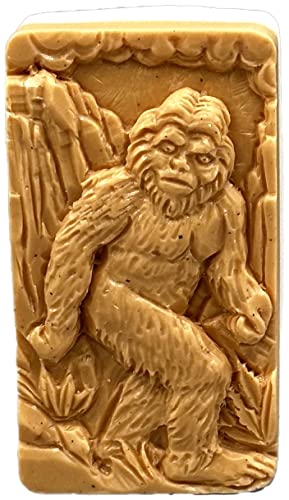
Individual cavity molds create uniform bars and allow you to make different colors or scents in the same batch. Rectangle and oval shapes remain popular for their classic appeal, while decorative molds featuring flowers, leaves, or geometric patterns add visual interest to your soap collection.

Loaf Molds for Efficiency
Mold Market silicone loaf molds enable soap makers to create multiple bars at once, making them ideal for larger batches or when you want consistent sizing. These molds typically produce 8-12 bars per batch, depending on the size. The advantage of loaf molds lies in their efficiency and the ability to create beautiful cut patterns and swirls.
Wooden loaf molds with silicone liners offer durability and professional results. The wooden sides provide insulation that helps cold process soaps gel properly, while the silicone lining ensures easy removal.
Specialty and Decorative Molds
Guest-sized molds create smaller bars perfect for travel, gifts, or sampling new recipes. Round molds produce unique shapes that stand out from typical rectangular bars, while specialty molds featuring intricate designs like roses, seashells, or holiday themes create gift-worthy soaps.
When selecting decorative molds, consider the level of detail and whether it suits your intended use. Highly detailed molds may not be practical for everyday use soaps but create stunning display pieces or special occasion gifts.
- Melt-and-pour base
- Essential oils + fragrances
- Silicone molds + cutters
Cutting, Stamping, and Packaging Tools
Professional-looking finished soaps require the right finishing tools. These implements help transform your soap from lumpy homemade bars into polished products worthy of gifting or selling.
Soap Cutting Tools
A sharp, non-serrated knife is essential for cutting loaf soaps into individual bars. Many soap makers prefer dedicated soap knives or large chef’s knives that can cut through an entire loaf in one smooth motion. Consistent bar thickness not only looks more professional but also ensures even drying and curing.
Soap cutting boxes or guides help maintain uniform thickness when cutting by hand. These simple tools feature slots that guide your knife at regular intervals, resulting in evenly sized bars every time.
Finishing and Embellishing Tools
Beveling planes smooth rough edges left from cutting, creating professional-looking chamfered edges on soap bars. This tool is particularly useful for cold process soaps, which may have sharper edges after cutting than melt-and-pour soaps from individual molds.

Soap stamps allow you to add logos, text, or decorative designs to finished bars. Acrylic stamps work well for clear impressions, while wooden stamps provide a more rustic appearance. Stamp your soaps while they’re still slightly soft for the clearest impressions.
Packaging Supplies
Professional packaging elevates handmade soaps from craft project to gift-worthy items. Shrink wrap provides a clean, professional appearance while protecting soaps from dust and moisture. Cellophane bags tied with ribbon offer a more rustic, handmade appearance that many customers prefer.
Custom labels identifying ingredients and your brand complete the professional presentation. Include required information such as ingredient lists and net weight, along with decorative elements that reflect your style.
Where to Buy Soap Making Supplies
Finding reliable suppliers for your soap making materials ensures consistent quality and helps you build relationships with companies that understand soap makers’ needs. Different suppliers excel in different areas, so many soap makers work with multiple vendors.
Specialized Soap Supply Companies
Wholesale Supplies Plus caters specifically to soap makers and cosmetic manufacturers, offering extensive selections of bases, fragrances, and specialized ingredients. Their detailed product descriptions include usage rates and compatibility information that helps soap makers make informed choices.
Nature’s Garden soap supplies provides another excellent resource for soap makers, with particularly strong selections of fragrance oils and melt-and-pour bases. Many soap makers appreciate their frequent sales and bulk pricing options for popular items.
Online Marketplaces and Bulk Suppliers
Major online retailers offer convenience and competitive pricing on basic soap making supplies, though selection may be limited compared to specialized suppliers. These platforms work well for standard items like digital scales, mixing bowls, and basic essential oils.
Bulk suppliers become more cost-effective as your soap making volume increases. These companies typically require minimum orders but offer significant savings on larger quantities of bases, oils, and packaging materials.
Local Options
Local craft stores may carry basic melt-and-pour supplies, though selection is often limited and prices higher than online suppliers. However, these stores can be useful for immediate needs or when you want to examine products before purchasing.
Health food stores sometimes stock essential oils suitable for soap making, though verify that oils are pure and not diluted in carrier oils before using them in soap recipes.
| Supply Category | Recommended Brand | Best For | Price Range |
|---|---|---|---|
| Soap Bases | Stephenson, Bramble Berry | Consistent quality | $3-6/lb |
| Essential Oils | Bulk Apothecary | Value and selection | $8-25/oz |
| Fragrance Oils | Bramble Berry | Soap-safe formulations | $4-12/oz |
| Colorants | Nurture Soap | Easy mixing | $3-8/oz |
| Molds | Crafter’s Choice | Durability | $8-35 each |
Frequently Asked Questions
How much should I budget for starting soap making?
A basic starter kit including soap base, a few fragrances, simple molds, and essential tools typically costs $75-150. This investment provides enough supplies to make several dozen bars while you develop your skills and preferences. You can start even more affordably by choosing just one or two soap base types and limiting your initial fragrance and colorant selection.
What’s the difference between soap making and cosmetic grade ingredients?
Cosmetic grade ingredients meet higher purity standards and are specifically intended for products applied to skin. While some craft-grade ingredients may work in soap, cosmetic grade ensures safety and performance. This distinction is particularly important for colorants, essential oils, and additives that will be in direct contact with skin.
Can I use kitchen utensils for soap making?
For melt-and-pour soap making, dedicated soap making utensils are recommended but not strictly necessary if you thoroughly clean everything afterward. However, for cold process soap making involving lye, you should use dedicated equipment that never touches food, as lye residues can be dangerous.
How long do soap making supplies last?
Properly stored soap bases last 1-2 years, while essential oils typically maintain quality for 2-3 years when stored in cool, dark conditions. Fragrance oils may last even longer. Micas and iron oxide colorants have virtually unlimited shelf life when kept dry. Always check expiration dates and store supplies in appropriate conditions to maximize their lifespan.
What safety equipment do I need for soap making?
For melt-and-pour soap making, basic safety includes using heat-resistant containers and avoiding burns from hot soap base. Cold process soap making requires safety goggles, rubber gloves, and long sleeves when handling lye. Always work in a well-ventilated area and keep vinegar nearby to neutralize any lye spills.
Should I buy supplies in bulk as a beginner?
Start with smaller quantities until you know which products you prefer and how quickly you’ll use them. Many supplies have expiration dates, and your preferences may change as you gain experience. Once you identify your favorite bases, fragrances, and colors, bulk purchasing can provide significant savings.
What soap making supplies do I actually need to get started as a beginner?
As a beginner, you’ll need a soap base (for melt-and-pour), fragrance or essential oils, soap molds, a digital scale, heat-safe mixing bowls, and wooden or silicone utensils. The beauty of soap making is that you don’t need expensive equipment or specialized chemistry knowledge to create beautiful bars right from the start.
What’s the difference between melt-and-pour and cold process soap making?
Melt-and-pour uses a pre-made soap base that you simply melt and customize with oils and colors, making it more beginner-friendly and faster. Cold process involves mixing lye with oils from scratch, which requires more equipment (like an immersion blender and thermometer), more time, and additional safety precautions, but offers more creative control.
Do I need expensive essential oils to make good quality soap?
You don’t need to buy the most expensive essential oils, but choosing quality brands and verified products from reputable suppliers will give you better scent results and performance. Starting with a few versatile essential oils like lavender or peppermint can help you create lovely soaps while you build your collection.
What safety equipment do I need for soap making at home?
For melt-and-pour soap making, basic safety is minimal, though gloves are helpful when handling melted bases. If you choose cold process soap making, you’ll need gloves and safety goggles because you’re working with lye, which requires careful handling and proper ventilation in your workspace.
These statements have not been evaluated by the Food and Drug Administration. This information is not intended to diagnose, treat, cure, or prevent any disease. Content is for informational purposes only and is not medical advice; consult a qualified healthcare provider before starting any supplement. As an Amazon Associate we earn from qualifying purchases.
