Binding is the final step that transforms a quilted sandwich into a finished quilt. It covers the raw edges, creates a clean border, and gives your quilt a polished, professional look. Many beginners find binding intimidating, especially the mitered corners, but once you understand the process, it becomes a satisfying routine you will look forward to.
This tutorial covers both the traditional method of machine-stitching the front and hand-stitching the back, as well as a faster full-machine binding technique. Both produce beautiful results, so choose the method that fits your patience and preferences.
Our reviews are based on aggregated verified buyer feedback, manufacturer specifications, and published expert opinion. Products are not independently tested by our team.
What Is Quilt Binding?
Binding is a strip of fabric that wraps around all four edges of your quilt, encasing the raw edges of the quilt top, batting, and backing. It serves both a practical purpose (preventing fraying and wear) and an aesthetic one (framing the quilt with a coordinating or contrasting fabric).
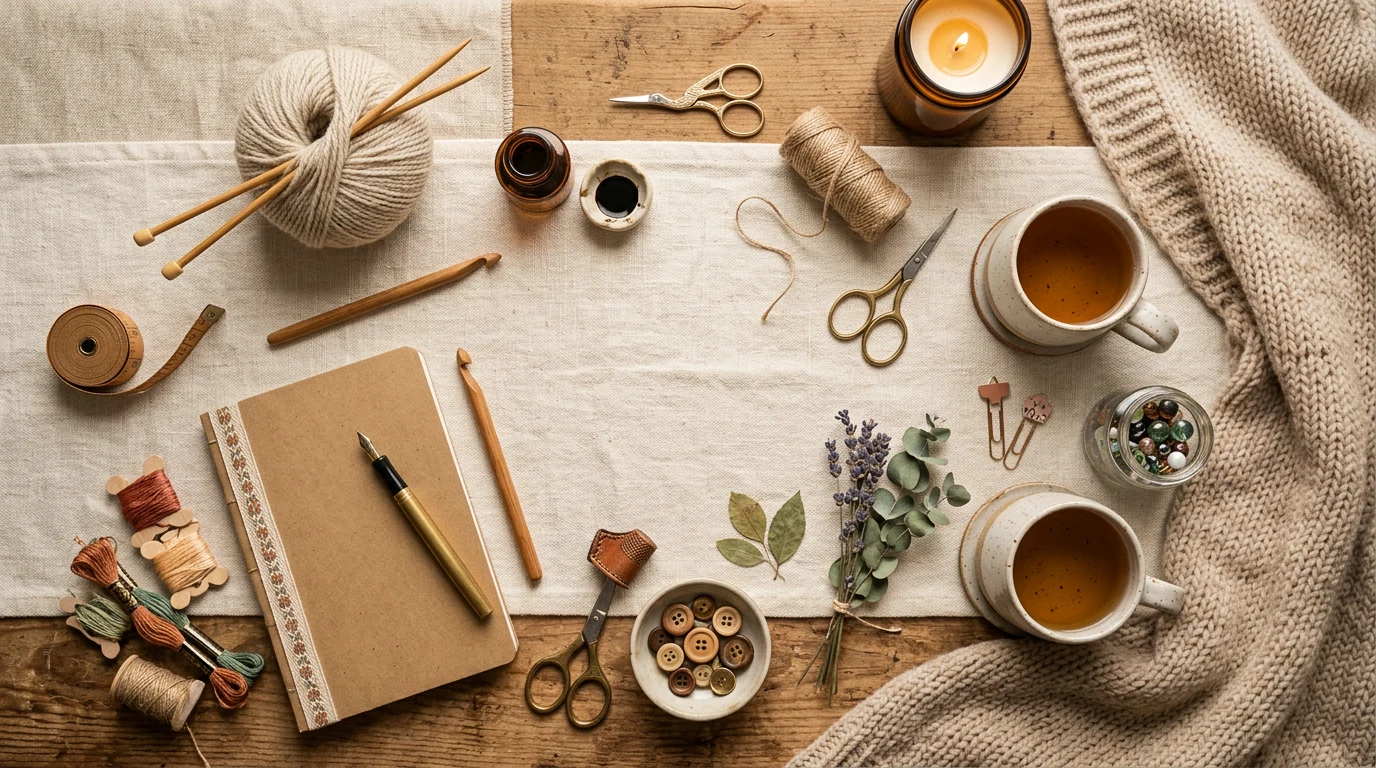
Most quilters use double-fold binding, also called French-fold binding, which is a strip of fabric pressed in half lengthwise. This creates two layers of fabric on each edge, making the binding twice as durable as single-fold. Since the edges of a quilt receive the most wear during use and washing, this extra durability matters.
Tools and Supplies You Need
Before you start, gather everything you will need so the process flows smoothly.
- Binding fabric (typically a quarter to a third of a yard for a baby quilt, half a yard for a lap quilt)
- Rotary cutter, ruler, and mat
- Sewing machine with walking foot
- Iron and pressing surface
- Quilting clips or pins
- Hand sewing needle and thread (for traditional method)
- Thread matching the binding fabric
- Scissors and seam ripper
For tool recommendations, see our essential quilting tools guide.

Cutting Binding Strips
Most binding is cut on the straight grain of the fabric, meaning across the width from selvage to selvage. Cut strips 2.5 inches wide. This width creates a binding that finishes at approximately three-eighths of an inch, which is the standard width for quilt binding.
How Much Binding Do You Need?
Measure the perimeter of your quilt (all four sides added together) and add 12 inches extra for corners and joining. Divide this total by the usable width of your fabric (usually about 40 inches after trimming selvages) to find how many strips you need to cut.
For example, a baby quilt measuring 36 by 42 inches has a perimeter of 156 inches. Add 12 inches for a total of 168 inches. Divide by 40 to get 4.2, so you need 5 strips. At 2.5 inches each, that is 12.5 inches of fabric, so a quarter yard is sufficient with some left over.
Straight Grain vs Bias Binding
Straight grain binding works perfectly for quilts with straight edges. Bias binding, cut at a 45-degree angle to the grain, has stretch and works better for quilts with curved edges or for projects that will receive heavy use. For your first quilts, straight grain binding is simpler and wastes less fabric.

- Free Motion Quilting Tools-The new and improved 11.5 Inch x 8 inch supreme slide
- EASY – Zero Friction Top and Self-Sticking Bottom supreme slider for quilting.
- This is a great bundle Quilting present for quilters. Super Slider for Quilting
Joining Binding Strips
Your binding strips need to be joined into one continuous strip before you can attach them to the quilt. Use diagonal seams rather than straight seams for a less bulky join.
Diagonal Seam Method
Place two strips right sides together at a 90-degree angle, with the ends overlapping. Draw a diagonal line from the top left corner to the bottom right corner of the overlap. Sew along this line. Trim the excess fabric to a quarter-inch seam allowance and press the seam open. This distributes the bulk of the join over a longer distance, preventing a visible lump in the finished binding.
After joining all your strips, press the entire strip in half lengthwise with wrong sides together. You now have a continuous double-fold binding strip ready to attach.

Attaching Binding to the Quilt Front
Before attaching the binding, trim your quilt sandwich so all three layers (top, batting, backing) are even. Use your long ruler and rotary cutter to trim each edge straight and square.
Starting the Binding
Start along one side of the quilt, not at a corner. Leave about 8 inches of binding strip free (you will come back to this later). Align the raw edges of the binding with the raw edge of the quilt top. Using your walking foot, sew with a quarter-inch seam allowance through all layers.
Sewing the Straight Edges
Sew along each side at a steady pace. The walking foot keeps the layers feeding evenly, preventing the top from shifting. Keep the raw edges aligned and maintain a consistent quarter-inch seam. Stop sewing a quarter inch from each corner for the miter turn.
Mitering Corners Step by Step
Mitered corners create the crisp, folded corners that give binding a professional look. They look complex but follow a simple two-step process.
Step 1: Stop and Pivot
Stop sewing exactly one quarter inch from the corner of the quilt. Backstitch two or three stitches and remove the quilt from the machine. Fold the binding strip straight up, creating a 45-degree angle fold at the corner. The binding should form a straight line extending from the next edge of the quilt.
Step 2: Fold and Continue
Fold the binding back down, aligning the raw edge with the next edge of the quilt. The top fold should be even with the top edge of the quilt. Pin or clip the corner to hold the fold in place. Begin sewing from the very top edge, backstitching at the start, and continue along the next side. This creates a neat mitered fold on both the front and back of the quilt.
Repeat at all four corners. The miter technique becomes second nature after two or three quilts.
Finishing the Binding by Hand
The traditional finishing method produces the most invisible stitches and is preferred by many quilters for heirloom-quality work.
Joining the Binding Ends
When you approach the starting point, stop sewing about 10 inches before the loose tail you left at the beginning. Overlap the two binding tails and mark where they meet. Join them using a diagonal seam just like when you joined the strips initially. Trim the excess, press, and sew the final section to the quilt.
Hand Stitching the Back
Fold the binding to the back of the quilt so it covers the machine stitching line. The folded edge of the binding should sit just past the stitching line on the back. Pin or clip the binding in place along one side at a time.
Thread a hand sewing needle with thread matching the binding fabric. Use a blind stitch (also called a ladder stitch) to attach the binding to the quilt back. Take small stitches that catch just a few threads of the binding fold and a few threads of the backing fabric. The stitches should be nearly invisible on both sides. At the corners, fold the miter neatly and take a few extra stitches to secure the fold.

- Professional Rotary Cutter Set: 45mm rotary cutter(8 extra cutter blades), a qui
- 9 inch Professional Sewing Scissors and Fabric Scissors, industrial quality High
- Self Healing Cutting Mat: A4(9″ x 12″), available on both sides, thick soft and
Machine Binding Alternative
If hand stitching is not your thing, machine binding gets the job done faster. The trade-off is that the stitches are visible on the back, but many quilters, especially those making utility quilts or baby quilts that will be washed frequently, prefer this approach.
Method 1: Stitch in the Ditch
After machine-sewing the binding to the front and folding it to the back, flip the quilt to the front. Pin or clip the binding on the back so it extends past the seam line. From the front, sew directly in the ditch (the groove of the seam) using a fine thread. The stitching catches the binding on the back. This method requires precise sewing to stay in the ditch, and it helps to use a thread color that matches the quilt top.
Method 2: Reverse Attachment
Alternatively, sew the binding to the back of the quilt first with a quarter-inch seam. Fold the binding to the front and topstitch it down with a decorative straight stitch or a narrow zigzag. This puts the visible stitches on the front where you can control their appearance more easily. Some quilters use a decorative stitch for added visual interest.

Both machine methods are perfectly acceptable. Quilts bound by machine are just as durable as hand-bound quilts. Choose the method that suits the quilt’s purpose and your available time. According to the Quilting Daily community, machine binding is increasingly popular even among experienced quilters for everyday quilts.
Troubleshooting Common Binding Problems
Binding is wavy or rippled: This usually means the quilt edges were not trimmed straight before binding. Remove the binding, re-trim the edges with a ruler and rotary cutter, and re-attach. Slight waviness can sometimes be pressed out with a steam iron.
Corners are not crisp: The miter fold was not done precisely, or the corner was not clipped. Practice the fold on a scrap piece before doing it on your quilt. Making sure you stop exactly a quarter inch from the corner is the most critical step.
Binding is too narrow or too wide: Adjust your cutting width. If your binding finishes too narrow, cut strips at 2.75 inches instead of 2.5. If it is too wide, try 2.25 inches. The most common issue is sewing with a seam wider than a quarter inch, which uses more of the binding width and makes it finish narrower than expected.
Joining ends do not match: This is the trickiest part of binding. If the overlap calculation seems confusing, use the “join on a ruler” method: place the two tails together on your cutting mat, mark the overlap, and join with a diagonal seam. Practice with scrap binding strips until the technique feels comfortable. Our complete beginner’s guide covers this alongside all the other finishing techniques.
Frequently Asked Questions
How long does it take to bind a quilt?
Machine-sewing the binding to the front takes about 30 to 45 minutes for a lap quilt. Hand-stitching the back typically takes two to four hours, depending on your stitching speed and the size of the quilt. Many quilters enjoy the hand-stitching as a relaxing evening activity over several days.
What fabric should I use for binding?
Use the same quality 100 percent quilting cotton that you used for the quilt top. Binding fabric can match one of the quilt fabrics, coordinate with the overall color scheme, or provide a deliberate contrast as a design element. Scrappy binding made from multiple fabrics joined together adds playful charm to informal quilts.
Should I use straight or bias binding?
Use straight grain binding for quilts with straight edges, which is the vast majority of quilts. Use bias binding only for quilts with curved edges, such as scalloped borders or rounded corners. Bias binding uses more fabric and is slightly more complex to work with, so save it for projects that specifically need the stretch.
Can I skip binding and use the backing fabric instead?
Some quilters use an envelope or pillowcase method where the quilt is turned right side out like a pillowcase, eliminating the need for binding. While this works for simple projects, it creates a less durable edge than proper binding. For quilts that will be used and washed regularly, traditional binding provides better longevity.
What is the difference between single-fold and double-fold binding for quilts?
Double-fold binding, also called French-fold binding, is a strip of fabric pressed in half lengthwise, creating two layers of fabric on each edge. This makes it twice as durable as single-fold binding, which is important since quilt edges receive the most wear during use and washing.
Do I have to hand-stitch the back of my quilt when binding?
No, you have options. The tutorial covers both the traditional method of machine-stitching the front and hand-stitching the back, as well as a faster full-machine binding technique. Both produce beautiful results, so you can choose the method that fits your patience and preferences.
How much binding fabric do I need for my quilt?
The amount depends on your quilt size. You typically need about a quarter to a third of a yard for a baby quilt and half a yard for a lap quilt. For larger quilts, you may need more, so measure your quilt’s perimeter to calculate the exact amount needed.
What tools do I need to learn how to bind a quilt?
You will need a rotary cutter, ruler, and mat for cutting binding strips, a sewing machine with a walking foot, an iron and pressing surface, and quilting clips or pins. If you choose the traditional binding method, you will also need a hand sewing needle and matching thread.
These statements have not been evaluated by the Food and Drug Administration. This information is not intended to diagnose, treat, cure, or prevent any disease. Content is for informational purposes only and is not medical advice; consult a qualified healthcare provider before starting any supplement. As an Amazon Associate we earn from qualifying purchases.