Choosing fabric is one of the most exciting parts of quilting, but it can also feel overwhelming when you are just getting started. Walk into any quilt shop and you will find thousands of bolts in every color, pattern, and material imaginable. How do you know what to pick? Which fabrics actually work well for quilting and which ones will cause headaches?
This guide cuts through the confusion and explains exactly what fabric to buy for your first quilting projects, where to find the best deals, and how to prepare your fabric for sewing.
Our reviews are based on aggregated verified buyer feedback, manufacturer specifications, and published expert opinion. Products are not independently tested by our team.
Why Fabric Choice Matters in Quilting
Fabric is the single biggest variable in your quilting experience. The right fabric cuts cleanly, holds its shape, presses flat, and sews together without stretching or puckering. The wrong fabric fights you at every step, from cutting to piecing to the final quilt.
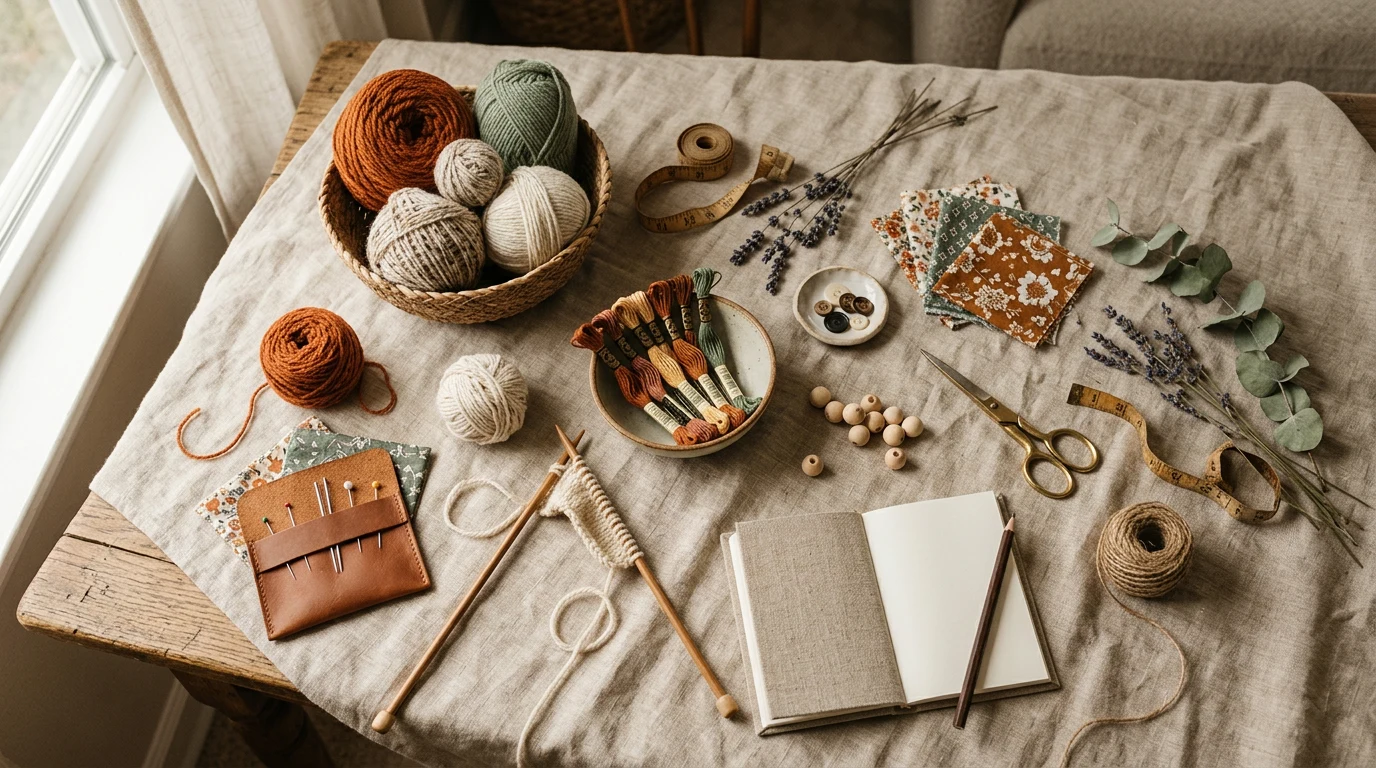
Quilting is all about precision. A quarter-inch seam allowance leaves no room for fabric that stretches, frays excessively, or refuses to hold a crease. When you start with quality fabric designed for quilting, every other step becomes easier. When you start with bargain bin fabric of unknown fiber content, you spend more time fighting your materials than enjoying the creative process.
Best Fabric Types for Beginner Quilters
100 Percent Quilting-Weight Cotton
This is the gold standard for quilting fabric and what you should use for your first several projects. Quilting cotton has a tight, even weave with a thread count typically between 60 and 80 threads per inch. It cuts cleanly with a rotary cutter, holds its shape while you sew, takes a press beautifully, and is widely available in an enormous range of colors and prints.
Quilting cotton typically weighs between 3.5 and 4.5 ounces per square yard. When you hold a piece up to the light, you should not be able to see through it clearly. The fabric should feel smooth and crisp, not limp or stiff. High-quality quilting cotton has been treated with a light sizing that makes it easier to handle, but it should not feel like cardboard.
Fabrics to Avoid as a Beginner
Steer clear of knits (they stretch), silk (slippery and expensive), flannel (shifts during cutting), and polyester blends (do not press well and can pucker). Home decor fabric is too heavy and stiff for quilting. Batik fabric is lovely but slightly more challenging to hand-quilt because of its tighter weave. Save these for later when your skills are more developed.
Understanding Fabric Weight and Thread Count
Fabric weight tells you how heavy the fabric is per square yard, which directly affects how your finished quilt drapes and feels. Quilting cotton in the 3.5 to 4.5 ounce range is considered medium weight and works for virtually all quilt projects.
Thread count matters because it determines how tightly woven the fabric is. A higher thread count means a tighter weave, which means less fraying, more precise cuts, and better seam retention. Premium quilting fabric brands typically have thread counts of 68 by 68 or higher. Bargain fabrics may have thread counts as low as 40 by 40, which is why they feel flimsy and fray more aggressively.
You do not need to memorize these numbers. Instead, use them as a reference when you notice a price difference between fabrics. The more expensive fabric usually has a higher thread count, and in quilting, that difference genuinely matters in the ease of your sewing experience and the durability of your finished quilt.

- Free Motion Quilting Tools-The new and improved 11.5 Inch x 8 inch supreme slide
- EASY – Zero Friction Top and Self-Sticking Bottom supreme slider for quilting.
- This is a great bundle Quilting present for quilters. Super Slider for Quilting
Pre-Cut Fabric Bundles: Jelly Rolls, Charm Packs, and Fat Quarters
Pre-cut fabric bundles are a beginner’s best friend. They take the guesswork out of color coordination because fabric designers have already matched the colors and prints for you. Here are the most common pre-cut formats.
Fat Quarters
A fat quarter measures approximately 18 by 22 inches. It is created by cutting a half yard of fabric in half along the width rather than the length, giving you a wider, more usable piece than a regular quarter yard. Fat quarter bundles typically come in sets of 5, 10, or 20 coordinating prints. They are versatile enough for blocks, borders, and small projects. A bundle of 10 to 12 fat quarters gives you plenty of variety for a lap quilt.
Jelly Rolls
A jelly roll contains approximately 40 strips of fabric, each 2.5 inches wide and 44 inches long. Every strip is a different print from the same fabric collection, all perfectly coordinated. Jelly rolls are ideal for strip quilts, rail fence patterns, and other designs that use uniform strip widths. One jelly roll can make an entire lap quilt when paired with a solid fabric for sashing or borders.

Charm Packs
Charm packs contain approximately 42 pre-cut squares, usually 5 by 5 inches each, from a single fabric collection. They are perfect for charm quilt patterns, four-patch blocks, and learning to piece simple squares. Two charm packs give you enough squares for a generous baby quilt.
Layer Cakes
Layer cakes are similar to charm packs but with larger 10 by 10 inch squares. They work beautifully for larger block patterns and can be cut down into smaller pieces for more complex designs. A single layer cake makes a generous throw quilt with minimal cutting.
Best Quilting Fabric Brands
Not all quilting fabric is created equal. These brands consistently receive high marks from quilters for quality, color consistency, and ease of use.
Moda Fabrics
Moda is arguably the most popular quilting fabric brand. Their fabric has a buttery-soft hand feel with excellent weight and a high thread count. They are also the original creators of the jelly roll, charm pack, and layer cake pre-cut format. Moda fabrics are available in virtually every quilt shop and online retailer. Buyers consistently praise the print clarity and color vibrancy.
Robert Kaufman
Robert Kaufman is known for their Kona Cotton Solids line, which offers over 300 colors of high-quality solid quilting cotton. Their solids are a quilter’s staple for backgrounds, sashing, and binding. The fabric has a smooth hand feel and excellent color saturation. The Kona color card is a must-have reference tool if you buy solids frequently.
Riley Blake Designs
Riley Blake produces cheerful, modern prints that are popular with quilters who prefer a contemporary aesthetic. Their fabric quality is consistently good, with a slightly crisper hand feel than Moda. They offer excellent pre-cut bundles and their prints coordinate well across collections.
Free Spirit and Art Gallery Fabrics
Free Spirit carries designer collections from well-known names like Tula Pink, while Art Gallery Fabrics is known for their premium quality and luxuriously soft hand feel. Art Gallery fabric is slightly more expensive but has a noticeably silky texture that many quilters love. Both brands are excellent choices for quilters who want distinctive, eye-catching prints.
Where to Buy Quilting Fabric Online
While local quilt shops offer the advantage of seeing and touching fabric before you buy, online shopping often provides better selection and competitive pricing.
Fat Quarter Shop (fatquartershop.com) is one of the largest online quilting fabric retailers, with an enormous selection of pre-cuts, yardage, and bundles. Their website lets you filter by designer, collection, color, and format, making it easy to find exactly what you need.
Missouri Star Quilt Co (missouriquiltco.com) is known for competitive pricing on pre-cuts and daily deals. They also produce an excellent series of free quilting tutorials on YouTube that pair perfectly with their fabric offerings.
Amazon carries a wide selection of quilting fabric, particularly pre-cut bundles and fat quarter sets. Be careful to check that you are buying 100 percent cotton from a reputable brand, as some listings sell lower-quality polyester-blend fabrics marketed as quilting fabric.
Connecting Threads (connectingthreads.com) offers good-quality quilting cotton at budget-friendly prices. Their house-brand fabric is a solid value, and they frequently run sales on thread and notions bundles. According to the American Patchwork and Quilting community, their fabrics are reliable for everyday quilting projects.

- Professional Rotary Cutter Set: 45mm rotary cutter(8 extra cutter blades), a qui
- 9 inch Professional Sewing Scissors and Fabric Scissors, industrial quality High
- Self Healing Cutting Mat: A4(9″ x 12″), available on both sides, thick soft and
How to Wash and Prep Fabric Before Quilting
The question of whether to pre-wash quilting fabric divides quilters into two passionate camps. Here are the facts so you can decide for yourself.
Reasons to Pre-Wash
Pre-washing removes sizing, excess dye, and chemicals from the manufacturing process. It also causes any shrinkage to happen before you cut and sew, preventing puckering in the finished quilt. This matters most when mixing fabrics from different brands or combining dark and light colors, since some red and dark blue fabrics can bleed when washed for the first time.
Reasons to Skip Pre-Washing
The sizing in new fabric makes it stiffer and easier to handle, cut, and piece. Many quilters prefer working with unwashed fabric for this reason. Skipping the wash also means your finished quilt will shrink slightly the first time it is laundered, creating that beloved crinkled, vintage look that many quilters prize.

If You Choose to Pre-Wash
Wash in cool water on a gentle cycle with a small amount of mild detergent. Add a color catcher sheet to absorb any loose dye. Dry on low heat and remove promptly to minimize wrinkles. Press all fabric flat before cutting. Trim any frayed edges that occurred during washing.
Fabric Storage Tips
Once you start quilting, your fabric collection will grow faster than you expect. Proper storage keeps your fabric in good condition and makes it easy to find what you need.
Keep Fabric Away From Light
Direct sunlight fades fabric over time. Store your fabric stash in a closet, covered bins, or a dedicated sewing room with blinds or curtains. Even indirect light can cause noticeable fading over months, particularly on red, purple, and dark blue fabrics.
Organize by Color or Project
Most quilters organize their stash by color, which makes it easy to pull coordinating fabrics for new projects. You can fold fabric into uniform sizes and stack it on shelves, or roll it around comic book boards for a space-efficient display. Clear bins work well for smaller pieces and scraps.
Protect From Moisture and Pests
Fabric should be stored in a dry environment away from moisture. Avoid attics and basements where humidity fluctuates. Cedar blocks or lavender sachets can deter fabric pests without the chemical residue of mothballs. Our guide to storing and displaying quilts covers preservation in detail.

Frequently Asked Questions
How much fabric do I need for my first quilt?
For a baby quilt (roughly 36 by 42 inches), you will need about 1.5 to 2 yards total for the top, 1.5 yards for the backing, and half a yard for binding. For a lap quilt (roughly 50 by 65 inches), plan on 3 to 4 yards for the top, 3.5 yards for backing, and half a yard for binding. Buying 10 to 15 percent extra is wise to account for cutting mistakes.
What is the difference between quilting cotton and regular cotton?
Quilting cotton is specifically designed for patchwork quilting. It has a tighter weave, consistent weight, and light sizing that makes it easier to cut and handle. Regular cotton fabric, like apparel cotton, may be thinner, stretchier, or have an uneven weave that makes precision piecing difficult.
Can I mix fabrics from different brands in one quilt?
Yes, quilters mix brands regularly. As long as all your fabrics are 100 percent quilting-weight cotton, they will work together beautifully. If mixing brands, pre-washing all the fabric is a good idea to equalize any differences in shrinkage rates.
Are fat quarters a good value?
Fat quarters are convenient for getting variety, but they are generally more expensive per yard than buying yardage off the bolt. A single fat quarter costs $2 to $4, while the equivalent yardage might be cheaper per unit. However, bundles of coordinating fat quarters save you the time and effort of color matching, which has real value for beginners learning to combine prints and solids.
What is the best quilting fabric for beginners?
100 percent quilting-weight cotton is the gold standard for beginners. It has a tight, even weave with 60-80 threads per inch, cuts cleanly with a rotary cutter, holds its shape while sewing, and takes a press beautifully.
Why does fabric choice matter so much in quilting?
Fabric is the single biggest variable in your quilting experience. Quality quilting fabric cuts cleanly, holds its shape, and sews without stretching or puckering, while poor quality fabric fights you at every step from cutting to the final quilt.
How do I know which fabrics to avoid when starting quilting?
Avoid bargain bin fabric with unknown fiber content, as it often stretches excessively, frays easily, and refuses to hold a crease. These fabrics make precision quilting difficult since you need exact quarter-inch seam allowances with no room for fabric movement.
Where can I find affordable quilting fabric as a beginner?
This guide explains where to find the best deals on quality quilting fabric and provides reviews based on verified buyer feedback and manufacturer specifications. Starting with properly sourced quilting-weight cotton ensures you enjoy the creative process rather than fighting your materials.
These statements have not been evaluated by the Food and Drug Administration. This information is not intended to diagnose, treat, cure, or prevent any disease. Content is for informational purposes only and is not medical advice; consult a qualified healthcare provider before starting any supplement. As an Amazon Associate we earn from qualifying purchases.