Choosing your first quilting machine is one of the biggest decisions you will make as a new quilter. The right machine makes piecing accurate, quilting enjoyable, and the whole process far less frustrating. The wrong machine can leave you fighting tension issues, running out of workspace, and wondering why quilting is supposed to be fun.
We analyzed hundreds of verified buyer reviews, compared manufacturer specifications, and consulted quilting community recommendations to find the best quilting machines for beginners. Whether you have a tight budget or want a machine that will serve you for years to come, there is an option here for you.
Our reviews are based on aggregated verified buyer feedback, manufacturer specifications, and published expert opinion. Products are not independently tested by our team.
What Makes a Good Quilting Machine?
Before diving into specific machines, it helps to understand what separates a good quilting machine from an ordinary sewing machine. While any machine that sews a straight stitch can technically make a quilt, certain features make the process dramatically easier.

Throat Space
Throat space is the distance from the needle to the body of the machine. Standard sewing machines offer about 5 to 6 inches, which feels cramped when you are wrestling a quilt through the machine. Quilting-focused machines typically offer 8 to 11 inches, giving you room to maneuver the fabric without constant readjusting. For anything larger than a baby quilt, more throat space makes a noticeable difference.
Feed Dog Drop
Feed dogs are the metal teeth that move fabric under the presser foot. For free-motion quilting, you need to drop or cover the feed dogs so you can move the fabric in any direction. Make sure your machine has this capability if you plan to explore free-motion techniques down the road.
Stitch Quality and Speed
A quilting machine should produce consistent, even stitches at varying speeds. Speed control is helpful because you need slower speeds for intricate quilting and faster speeds for long straight seams. Machines with adjustable speed limits let you set a maximum speed, which is invaluable for free-motion quilting as a beginner.
Best Overall Quilting Machine for Beginners
Brother CS6000i
Price range: $160-$200 | Throat space: 5.7 inches | Stitches: 60 built-in
The Brother CS6000i consistently ranks as the most recommended machine for beginner quilters, and the buyer reviews explain why. It delivers reliable performance at a price that does not require a second mortgage. With 60 built-in stitches, an included wide table, and an automatic needle threader, it covers everything a new quilter needs.
Verified buyers repeatedly praise its ease of setup, noting that many were sewing within 30 minutes of opening the box. The included wide table adds valuable workspace for quilt piecing, and the variable speed control lets you start slow and build confidence. The machine handles multiple layers of quilting cotton without skipping stitches, which is essential for quilt assembly.
The main limitation is its modest throat space. At 5.7 inches, it works well for piecing and quilting smaller projects but becomes challenging with full-size quilts. However, for a beginner building skills with baby quilts, table runners, and lap quilts, it is an outstanding value.
Pros:
- Exceptional value at the price point
- Included wide table adds quilting workspace
- 60 stitches including quilting-specific options
- Variable speed control with adjustable limiter
- Lightweight and easy to transport to classes
Cons:
- Limited throat space for larger quilts
- Plastic body feels less durable than metal-frame machines
- Bobbin area can be tricky to clean
Best Budget Quilting Machine
SINGER 4423 Heavy Duty
Price range: $150-$180 | Throat space: 5.5 inches | Stitches: 23 built-in
The SINGER 4423 is a workhorse built for quilters who value power and durability over a large stitch library. Its heavy-duty metal interior frame handles thick layers of quilting cotton and batting without bogging down, and its 1,100 stitches per minute speed makes piecing quick work.
Buyers consistently highlight the machine’s ability to power through multiple fabric layers without hesitation. The stainless steel bedplate reduces friction, allowing fabric to glide smoothly. While it has fewer built-in stitches than the Brother CS6000i, it includes the essential straight and zigzag stitches that cover 95 percent of quilting needs.
The SINGER 4423 is an excellent choice if you want a machine that will handle heavy workloads and last for years. It does sacrifice some convenience features like an automatic needle threader on some versions, but the core sewing performance is rock solid.
Pros:
- Heavy-duty metal frame built to last
- Sews through thick layers with ease
- Fast sewing speed for efficient piecing
- Stainless steel bedplate for smooth fabric feeding
- Affordable price point
Cons:
- Limited stitch selection (23 stitches)
- No automatic needle threader on some versions
- Can be loud at full speed
- 1500 stitches per minute
- Auto thread trimmer
- Knee-lift lever included
Best Quilting Machine with Extended Table
Juki TL-2010Q
Price range: $700-$900 | Throat space: 8.5 inches | Stitches: Straight stitch only
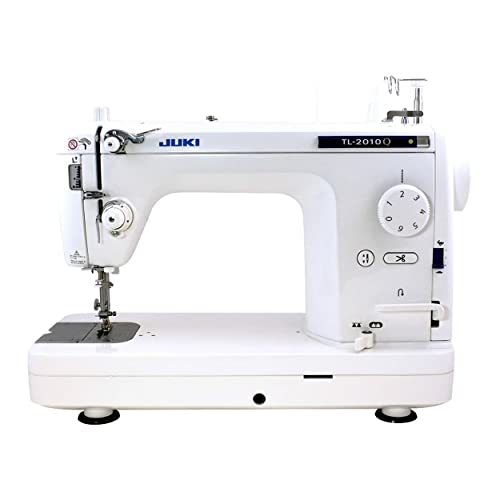
The Juki TL-2010Q is a serious quilting machine for beginners who know they are committed to the craft and want a machine they will not outgrow. It does one thing and does it beautifully: a perfect straight stitch. With 8.5 inches of throat space, an aluminum die-cast body, and industrial-grade components, this machine is built for quilting.
Reviews from quilters who upgraded to the Juki from budget machines describe the difference as transformational. The stitch quality is consistently praised as flawless, with even tension across varying fabric thicknesses. The included extension table provides a generous flat surface for managing large quilts, and the speed control foot pedal offers precise control from slow to 1,500 stitches per minute.
This is a straight-stitch-only machine, which means you will still need a regular sewing machine for zigzag stitches, buttonholes, and decorative work. But for dedicated piecing and quilting, the Juki TL-2010Q is hard to beat. According to the Quilting Board community, it is one of the most recommended machines in the intermediate-to-advanced category.
Pros:
- Exceptional stitch quality
- 8.5-inch throat space for larger quilts
- Aluminum die-cast body for stability
- Included extension table
- Precise speed control
- Automatic thread trimmer
Cons:
- Straight stitch only, no zigzag or decorative stitches
- Higher price point
- Heavy (25.4 lbs), not easily portable
Sewing Machine vs Quilting Machine: Key Differences
Understanding the differences between a regular sewing machine and a quilting machine helps you decide what you actually need.
| Feature | Regular Sewing Machine | Quilting Machine |
|---|---|---|
| Throat space | 5-6 inches | 8-11+ inches |
| Feed dog drop | Not always available | Standard feature |
| Walking foot | Often sold separately | Often included |
| Extension table | Rarely included | Usually included |
| Speed control | Basic foot pedal | Adjustable speed limiter |
| Stitch variety | Many decorative stitches | Focus on straight stitch quality |
| Price range | $100-$300 | $300-$2,000+ |
The honest truth is that many quilters start with a regular sewing machine and make beautiful quilts. A dedicated quilting machine becomes more valuable as your projects grow in size and your skills develop. If you are just starting out and already own a sewing machine, use it. When you find yourself frustrated by limited workspace or inconsistent stitches through thick layers, then it is time to upgrade.
Features to Look for in a Quilting Machine
When shopping for your first quilting machine, prioritize these features based on how you plan to quilt.
For Piecing Focus
If you primarily want to piece quilt tops and plan to send your quilts out to a longarm quilter for the actual quilting, you need a machine with an accurate quarter-inch seam capability, reliable tension, and decent speed. Throat space matters less because you are sewing individual blocks, not the entire quilt. A machine like the Brother CS6000i or SINGER 4423 serves this purpose well.
For Machine Quilting Focus
If you want to quilt the layers yourself, prioritize throat space, feed dog drop capability, and a walking foot. You will also want a machine with good stitch regulation or speed control. The Juki TL-2010Q and similar machines excel here. Speed control that lets you set a maximum sewing speed is particularly helpful when learning free-motion techniques.
Must-Have Accessories
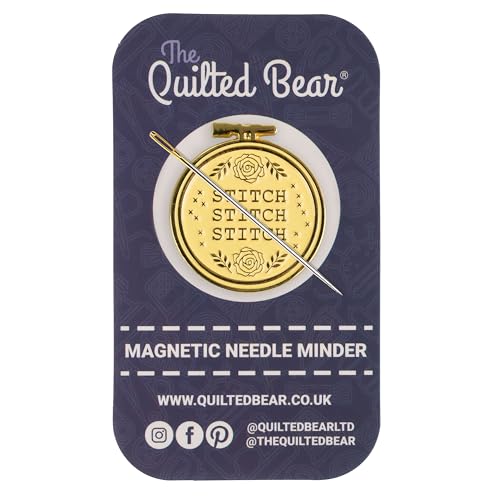
Regardless of which machine you choose, make sure you have or can purchase a quarter-inch piecing foot, a walking foot for quilting through thick layers, and a darning or free-motion foot for free-motion quilting. These three presser feet cover virtually all quilting tasks. Check out our essential quilting tools guide for a complete accessories checklist.
Throat Space: Why It Matters for Quilting
Throat space is probably the most discussed specification among quilters, and for good reason. When you machine quilt, the bulk of your quilt needs to fit between the needle and the machine body. With a standard 5-inch throat, a full-size quilt must be tightly rolled or folded to fit through, requiring constant repositioning and creating frustration.
Here is a general guideline for throat space versus quilt size:
| Throat Space | Comfortable Quilt Size |
|---|---|
| 5-6 inches | Baby quilts, table runners |
| 7-8 inches | Lap quilts, throws |
| 9-11 inches | Twin to full-size quilts |
| 12+ inches | Queen and king-size quilts |
Keep in mind that throat space is less critical for piecing because you are sewing small pieces together, not maneuvering an entire quilt. If you plan to do your own machine quilting on larger projects, throat space should be a top priority. If you plan to focus on piecing and send quilts out for professional quilting, a standard throat space works fine.


- Professional Rotary Cutter Set: 45mm rotary cutter(8 extra cutter blades), a qui
- 9 inch Professional Sewing Scissors and Fabric Scissors, industrial quality High
- Self Healing Cutting Mat: A4(9″ x 12″), available on both sides, thick soft and
Our Top Picks Compared
| Machine | Price | Throat Space | Best For | Stitches |
|---|---|---|---|---|
| Brother CS6000i | $160-$200 | 5.7″ | Best overall value | 60 |
| SINGER 4423 | $150-$180 | 5.5″ | Budget heavy-duty | 23 |
| Juki TL-2010Q | $700-$900 | 8.5″ | Serious quilters | 1 (straight) |
For most beginners, the Brother CS6000i offers the best combination of features, value, and ease of use. If you know you want heavy-duty durability and plan to quilt through thick layers, the SINGER 4423 delivers exceptional power at a low price. And if you are willing to invest in a machine that will serve you for a decade or more of quilting, the Juki TL-2010Q is worth every penny.
No matter which machine you choose, remember that the best quilting machine is the one you actually use. Start with what fits your budget, build your skills with our complete beginner’s guide, and upgrade when you are ready. Happy quilting.
Machine Care and Maintenance
A well-maintained sewing machine runs smoothly and produces consistent stitches for years. Neglecting maintenance leads to tension problems, skipped stitches, and costly repairs.
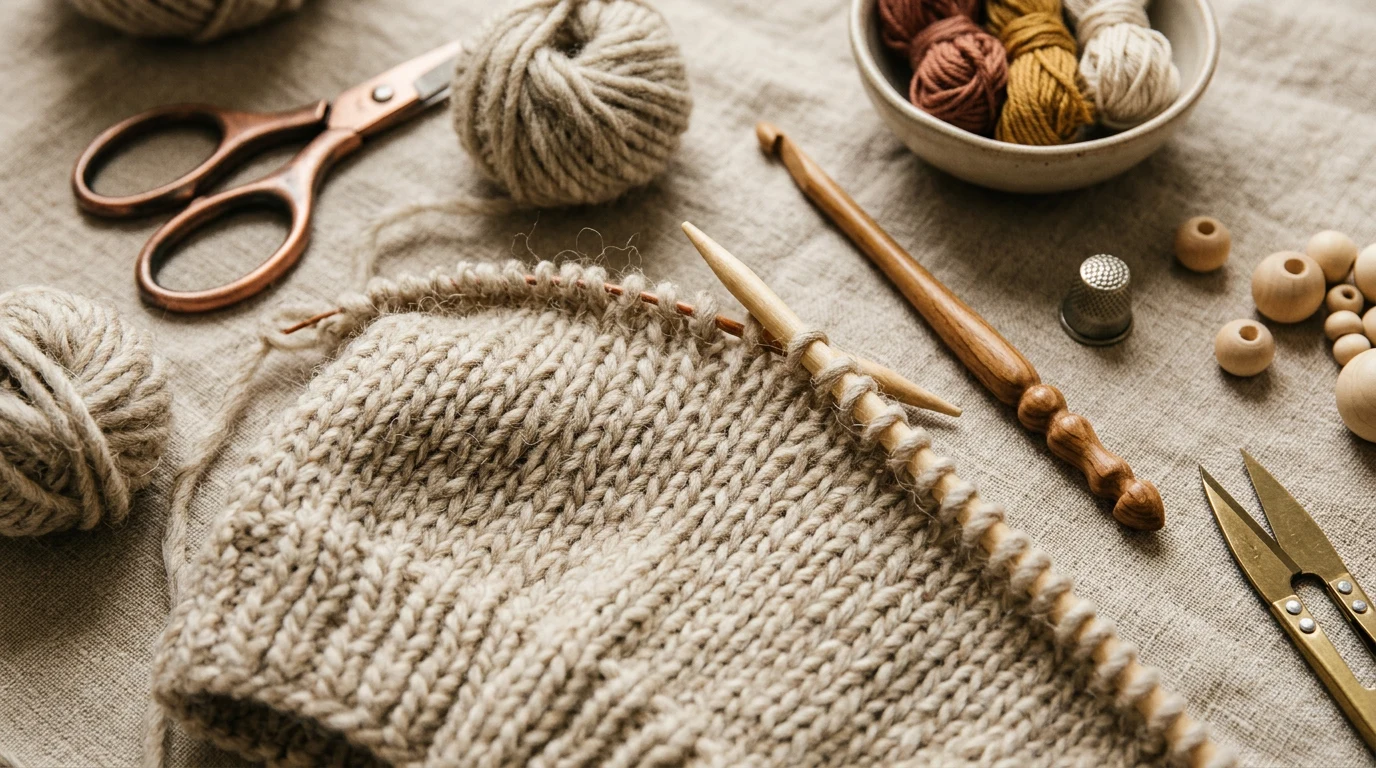
Clean the bobbin area regularly. After every project, remove the bobbin case and use a small brush (most machines include one) to remove lint and thread fibers. Quilting cotton produces more lint than regular sewing, and buildup in the bobbin area is the most common cause of tension problems.
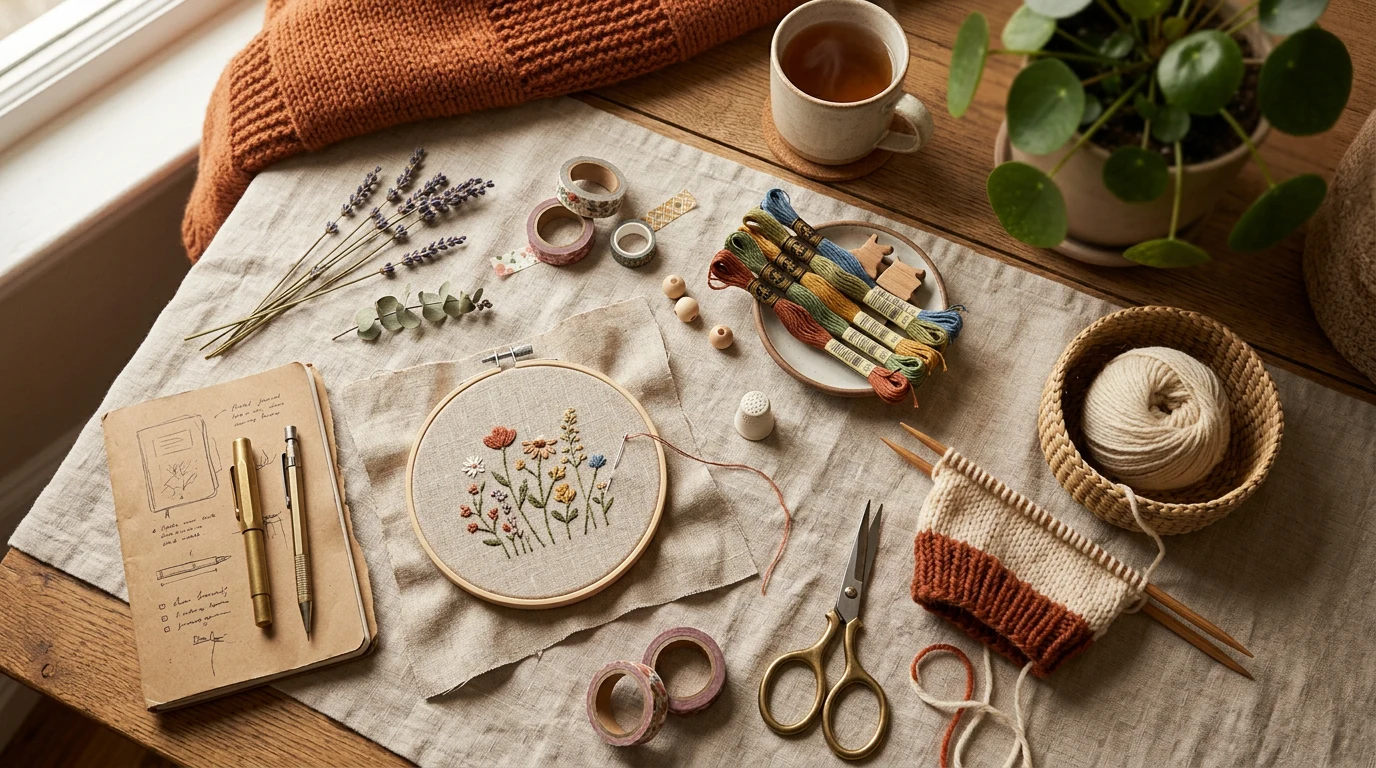
Change your needle frequently. Replace the needle after every 8 to 10 hours of sewing or at the start of each new project. A dull needle causes skipped stitches, fabric damage, and thread breakage. Use size 80/12 universal or quilting needles for most quilting cotton.
Oil according to the manual. Some machines require periodic oiling, while others are self-lubricating. Check your manual and follow the manufacturer’s instructions. Over-oiling can stain fabric, while under-oiling causes premature wear.
Get annual servicing. A professional cleaning and tune-up once a year keeps your machine in optimal condition. Professional technicians can catch wear issues before they become expensive problems. Most sewing machine dealers offer servicing for $60 to $100. This is a worthwhile investment that extends the life of your machine significantly.
Frequently Asked Questions
Can I quilt on a regular sewing machine?
Yes, absolutely. Any sewing machine that sews a reliable straight stitch can be used for quilting. The main limitation is throat space, which makes quilting larger projects more challenging. Many quilters make beautiful quilts on basic machines for years before upgrading.
How much should I spend on my first quilting machine?
Budget $150 to $250 for a solid beginner machine that handles quilting well. Machines in this range like the Brother CS6000i and SINGER 4423 offer excellent performance for new quilters. Spending more gets you additional throat space and premium stitch quality, but it is not necessary to get started.
What is the most important feature for a quilting machine?
Consistent stitch quality is the most important feature. After that, throat space and feed dog drop capability are the features that most distinguish quilting machines from regular sewing machines. A machine that sews even, reliable stitches will produce better quilts than a machine with many features but inconsistent stitch quality.
Do I need a walking foot?
A walking foot is highly recommended for machine quilting. It feeds all three layers of the quilt sandwich evenly, preventing the top layer from shifting or puckering. Most quilting machines include one, but for regular sewing machines, you can purchase one separately for $15 to $40.
What is throat space and why does it matter for quilting machines?
Throat space is the distance from the needle to the body of the machine. Standard sewing machines offer only 5 to 6 inches, while quilting machines typically provide 8 to 11 inches, giving you much more room to maneuver larger fabric pieces without constantly readjusting.
Can I use a regular sewing machine to make quilts?
While any machine that sews a straight stitch can technically make a quilt, quilting-specific machines have features like larger throat space and feed dog drop capability that make the process dramatically easier and more enjoyable. A regular sewing machine may leave you frustrated with tension issues and limited workspace.
What are feed dogs and do I need to be able to drop them?
Feed dogs are the metal teeth under the presser foot that move fabric forward during sewing. If you plan to try free-motion quilting, you need a machine where you can drop or cover the feed dogs so you can move the fabric in any direction you choose.
How did you choose the best quilting machines for beginners in this guide?
We analyzed hundreds of verified buyer reviews, compared manufacturer specifications, and consulted quilting community recommendations to find machines suitable for new quilters. Our reviews are based on aggregated feedback and expert opinion rather than independent testing by our team.

These statements have not been evaluated by the Food and Drug Administration. This information is not intended to diagnose, treat, cure, or prevent any disease. Content is for informational purposes only and is not medical advice; consult a qualified healthcare provider before starting any supplement. As an Amazon Associate we earn from qualifying purchases.