Finding the best punch needle fabric is essential for creating beautiful, long-lasting projects that you’ll treasure for years to come. Whether you’re just starting your punch needle journey or looking to upgrade your supplies, choosing the right fabric, yarn, and tools will make all the difference in your crafting experience.
Our reviews are based on aggregated verified buyer feedback, manufacturer specifications, and published expert opinion. Products are not independently tested by our team.
Why Fabric Choice Is Critical for Punch Needle
The fabric you choose serves as the foundation for your entire punch needle project. Unlike cross-stitch or embroidery where you work on top of the fabric, punch needle requires you to push loops through the fabric backing, creating texture and dimension on the surface. This means your fabric must have several key characteristics to work properly.

First, the weave must be even and stable enough to hold your loops securely without allowing them to pull through. The fabric also needs to have enough space between threads for your needle to pass through easily, but not so much that your loops slip out. Additionally, the fabric should be strong enough to withstand the repeated puncturing motion without tearing or distorting.
According to the National Punch Needle Guild, using inappropriate fabric is one of the most common reasons beginners struggle with their first projects. The wrong fabric can cause loops to fall out, create uneven tension, or make the punching motion unnecessarily difficult.
Temperature and humidity can also affect how your fabric behaves during punching. Natural fibers like cotton and linen may shrink slightly when dampened for blocking, which actually helps secure your loops. Synthetic fabrics tend to be more stable but may not hold loops as securely over time.
Monks Cloth: The Standard Choice
Monks cloth remains the gold standard for punch needle work, and for good reason. This even-weave cotton fabric features a basket weave construction with clearly defined holes between the threads, making it ideal for punch needle techniques.
What Makes Monks Cloth Special
The traditional monks cloth used for punch needle has a 12-count weave, meaning there are 12 threads per inch in each direction. This creates a grid of holes that are perfectly sized for most punch needle tools, particularly the Oxford Punch Needle in regular (#9) and fine (#10) sizes.
Buyers report that quality monks cloth feels substantial in your hands – not too heavy, but with enough body to provide good tension when stretched in a frame. The basket weave construction creates natural elasticity that allows the fabric to give slightly as you punch, reducing hand fatigue during longer crafting sessions.
Choosing Quality Monks Cloth
Not all monks cloth is created equal. Reviews indicate that the best quality monks cloth comes from specialty needlework suppliers rather than general craft stores. Look for these characteristics when shopping:
- Even thread tension with no loose or tight areas
- Consistent hole size throughout the weave
- No knots or thick spots in the threads
- A soft but not limp hand feel
- Natural cotton color without excessive chemical processing
Pre-washed monks cloth can save you time, but many experienced crafters prefer to wash their own fabric to control shrinkage. If you wash monks cloth yourself, use cool water and gentle detergent, then press while still slightly damp to restore the proper texture.
Working with Different Weights
Standard monks cloth works beautifully for most punch needle projects, but you might encounter situations where a different weight is beneficial. Heavier monks cloth (sometimes called rug monks cloth) provides extra stability for large projects or when using thicker yarns. Lighter weight versions work well for fine detail work or when creating items that need to drape softly.
For your first projects, stick with standard 12-count monks cloth. As you gain experience and want to explore different textures or project types, you can experiment with other weights. If you’re interested in getting started with this versatile craft, our guide on Punch Needle for Beginners: How to Get Started will walk you through all the basics.
Weaver’s Cloth and Alternatives
While monks cloth dominates the punch needle world, several alternative fabrics can produce beautiful results, especially for specific project types or when you want to achieve particular effects.
Weaver’s Cloth Characteristics
Weaver’s cloth features a tighter weave than monks cloth, typically ranging from 18 to 22 threads per inch. This creates smaller holes and a smoother finish, making it excellent for detailed work or projects where you want a more refined appearance. The cotton construction provides similar durability to monks cloth while offering different creative possibilities.
Verified reviews suggest that weaver’s cloth works particularly well with finer punch needle tools and thinner yarns. The tighter weave holds delicate threads securely while still allowing smooth needle penetration. Many crafters use weaver’s cloth for pictorial designs where fine detail is important.
Linen for Premium Projects
Linen provides an even more refined option for special projects. High-quality even-weave linen creates an elegant foundation that works beautifully for heirloom pieces or gifts. The natural luster of linen adds depth to your finished work, and the strong fibers hold loops securely.
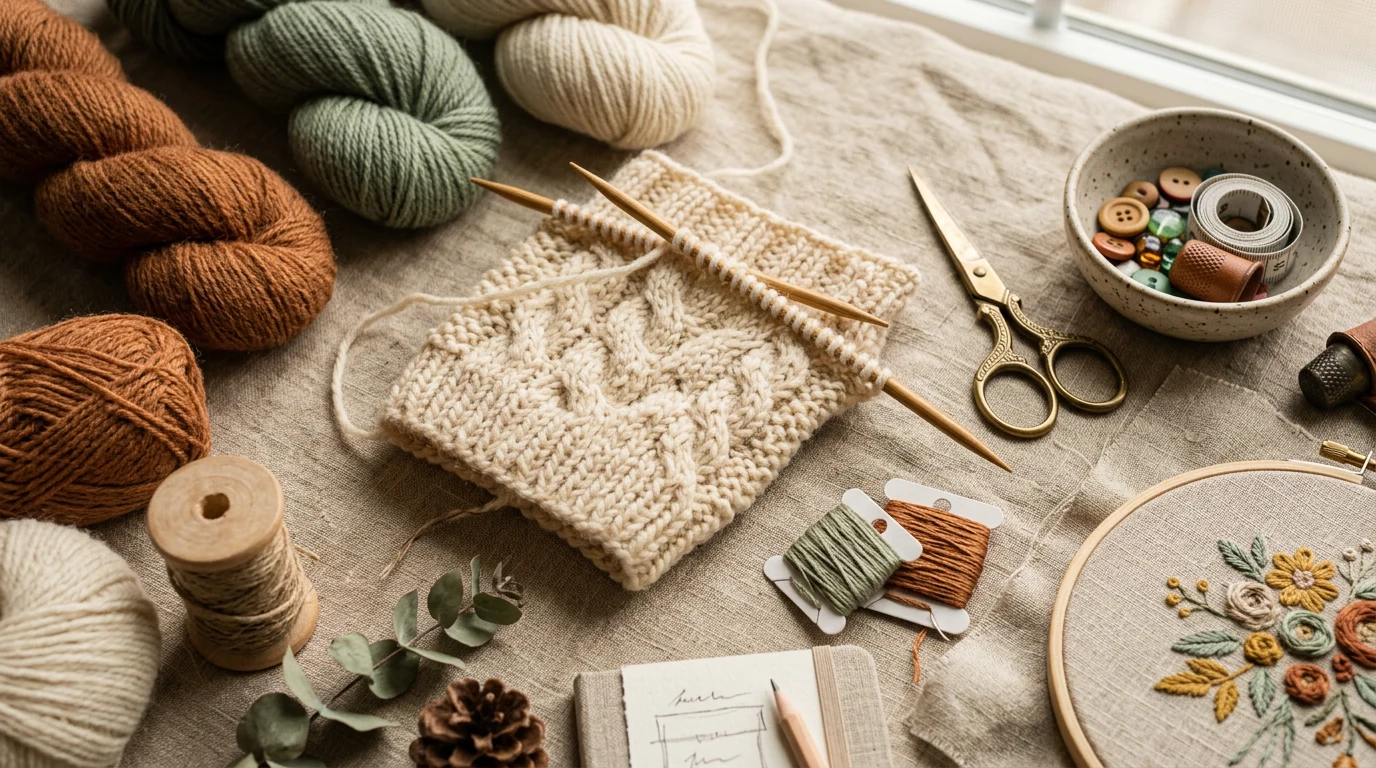
However, linen requires more careful handling than cotton fabrics. It can be less forgiving for beginners, as the stiffer fibers don’t stretch as readily. Buyers report that linen works best when you take time to properly prepare and tension the fabric before starting your project.
Burlap and Other Options
Burlap creates a rustic, folk-art aesthetic that works well for primitive-style designs or country decorating themes. The loose weave and rough texture provide a completely different look from traditional monks cloth. However, burlap can be more challenging to work with due to its irregular weave and tendency to shed fibers.
Other alternatives include specially made punch needle fabrics from European manufacturers, foundation fabrics designed for rug hooking that can work for punch needle, and even some canvas fabrics. Each has its own characteristics and challenges, so it’s best to master traditional monks cloth before experimenting with these options.
- Adjustable punch needle
- Monks cloth + hoop
- Yarn assortment included
Best Yarn Types for Punch Needle
Choosing the right yarn is just as important as selecting the best punch needle fabric. The yarn you use affects not only the appearance of your finished project but also how smoothly the punching process goes and how well your loops stay in place.
Wool: The Traditional Choice
Wool remains the top choice for punch needle work because its natural properties make it ideal for this technique. Wool fibers have tiny scales that help them grab onto each other and the fabric backing, creating secure loops that resist pulling out. The natural elasticity of wool also allows it to fill spaces evenly, creating full, luxurious texture.
Persian wool, often sold as tapestry wool, works exceptionally well for punch needle. This three-ply wool can be used as-is or separated into single strands for finer work. Buyers consistently report that Persian wool feeds smoothly through punch needles and creates beautiful, even loops.
Worsted weight wool yarn also performs well, particularly for larger projects or when you want quicker coverage. Look for yarn with a smooth finish rather than highly textured varieties, as bumpy or nubby yarns can catch in the needle eye and create uneven loops.
Cotton Options
Cotton floss and threads create crisp, clean lines perfect for detailed work or pictorial designs. Six-strand embroidery floss works beautifully when separated into the appropriate number of strands for your needle size. Pearl cotton threads provide a subtle shine and work especially well for decorative elements or highlights.
Cotton rug yarn offers durability and washability, making it excellent for items that will see regular use like rugs, placemats, or children’s items. The cotton fibers don’t have wool’s natural grabbing qualities, so you may need to adjust your loop height or use different techniques to ensure security.
Synthetic Yarns
Acrylic yarns provide affordability and washability, making them practical for practice projects or items that need frequent cleaning. Modern acrylic yarns have come a long way in terms of softness and appearance. However, synthetic fibers can be slippery and may not hold as securely as natural fibers.
Polyester embroidery threads offer brilliant colors and consistent quality. They work well for accents or when you need very specific colors that might not be available in natural fibers.
Matching Yarn to Needle Size
The Oxford Punch Needle system provides clear guidelines for matching yarn weights to needle sizes:
- Fine (#10): 1-2 strands of embroidery floss or fine tapestry wool
- Regular (#9): 3-4 strands of embroidery floss or single strand of tapestry wool
- Large (#8): Worsted weight yarn or multiple strands of lighter yarn
- Extra Large: Bulky yarns or multiple strands of worsted weight
These are starting points – you may need to adjust based on your specific yarn and desired effect. The goal is yarn that feeds smoothly through the needle without jamming but creates full, secure loops on the fabric surface.
Frames and Hoops for Punch Needle
Proper fabric tension is crucial for successful punch needle work, making your choice of frame or hoop nearly as important as your fabric selection. The right support system keeps your fabric taut while allowing comfortable access for punching.
Gripper Strip Frames
Gripper strip frames have become the preferred choice for many punch needle enthusiasts. These frames use small strips lined with tiny teeth to grip the fabric edges securely without requiring you to baste or stitch the fabric to the frame. This system provides excellent tension while making it easy to reposition or remove your work.
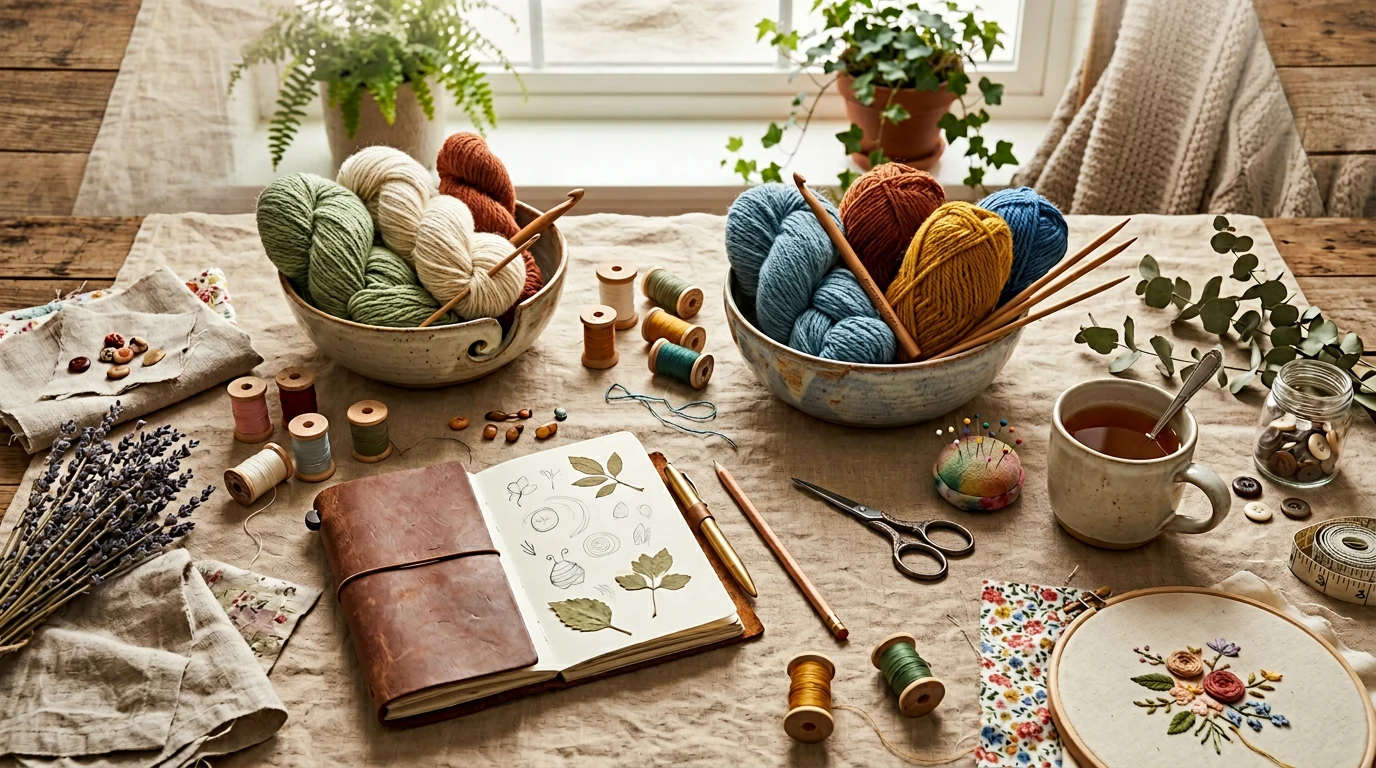
Reviews indicate that gripper strip frames work particularly well with monks cloth and other even-weave fabrics. The grippers distribute tension evenly across the fabric edges, reducing the risk of distortion or puckering. Many frames come with interchangeable gripper strips in different sizes to accommodate various project dimensions.
Traditional Embroidery Hoops
Embroidery hoops work well for smaller projects or when you’re just starting to learn punch needle techniques. Choose hoops with a deep lip and good tension adjustment mechanism. Wooden hoops often provide better grip than plastic ones, especially with natural fiber fabrics.
When using embroidery hoops with punch needle, place the fabric with the design side down in the hoop. This allows you to punch from the back while working toward yourself, which most people find more comfortable and provides better visibility of your work area.

Lap Stands and Floor Frames
Morgan lap stands have earned an excellent reputation among punch needle crafters for providing stable, adjustable support without taking up floor space. These stands hold your frame at the optimal angle for punching while leaving both hands free for your work. The adjustable height and angle accommodate different chair heights and personal preferences.
Floor frames offer maximum stability for large projects and allow you to work while standing if preferred. However, they require dedicated space and may not be practical for casual or portable crafting. Consider your available space and how you prefer to craft when choosing between lap stands and floor frames.
Q-Snap Frames
Q-Snap frames provide a middle ground between hoops and gripper strip frames. The PVC construction is lightweight and portable, while the snap-together design makes assembly quick and easy. The clamping action provides good tension without requiring special preparation of your fabric edges.
Buyers report that Q-Snap frames work particularly well for medium-sized projects and travel crafting. The square or rectangular format suits most punch needle designs better than round hoops, and the frames are affordable enough to have multiple sizes on hand.
Backing and Finishing Supplies
Once you’ve completed your punch needle design, proper backing and finishing materials help preserve your work and give it a professional appearance. The supplies you need depend on your intended use for the finished piece.
Latex and Fabric Adhesives
Latex backing helps secure your loops permanently while maintaining flexibility in the finished piece. Apply liquid latex sparingly to the back of your work using a foam brush or sponge, allowing it to penetrate between the loops without creating a heavy coating. This treatment makes your piece suitable for items that will be handled frequently or washed occasionally.
Fabric adhesives designed specifically for needlework provide similar security with less mess than liquid latex. These products often come in convenient applicator bottles that make it easy to apply backing material precisely where needed. Some adhesives remain removable, allowing you to make adjustments if necessary.
Iron-On Backing
Iron-on interfacing provides a clean, professional finish for framed pieces or items that won’t receive heavy wear. Choose fusible interfacing weight appropriate for your project – lightweight for delicate work, heavier weights for pieces that need more body. The heat-activated adhesive creates a secure bond without adding bulk.
When applying iron-on backing, use a pressing cloth to protect your loops and work from the edges toward the center to avoid trapping air bubbles. Test the heat setting on a sample piece first, as too much heat can damage some yarns.
Traditional Backing Fabrics
Felt backing provides a classic finish for punch needle pieces, particularly those destined to become wall hangings or decorative items. Choose felt that complements your design colors and provides appropriate weight for the intended use. Wool felt offers durability and natural beauty, while synthetic felt provides washability and consistent thickness.
Cotton or linen backing fabrics work well when you want a softer finish or plan to line the piece later. These natural fibers breathe well and won’t trap moisture that could damage your punch needle work over time.
Edging and Binding Materials
Bias tape, ribbon, or cord can create attractive finished edges for punch needle projects. Choose materials that complement your design and provide appropriate durability for the item’s intended use. Cotton bias tape works well for most applications and comes in numerous colors to match or accent your work.
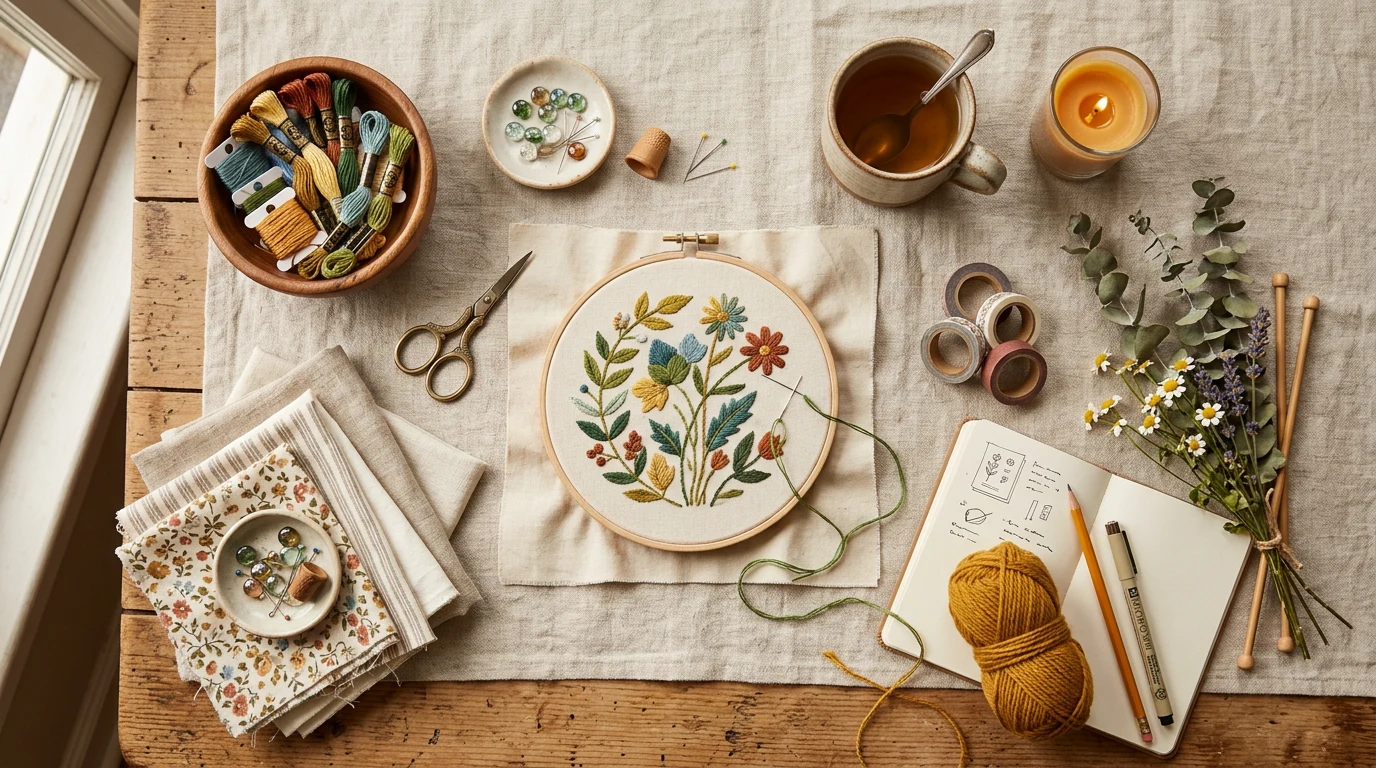
Decorative cords or braids add an elegant touch to formal pieces. Look for materials with similar care requirements to your punch needle yarns to ensure the finished piece can be cleaned consistently. If you’re interested in exploring various project types, check out our collection of Easy Punch Needle Patterns: 10 Projects for Your First Try for inspiration and detailed instructions.
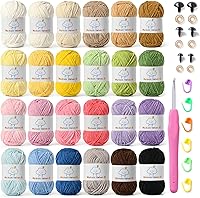
- Chenille Yarn Size:This fluffy chenille yarn is made of 100 % polyester, the wei
- Soft Crochet Yarn:Our crochet yarn features anti-pilling technology and advanced
- Vibrant-color Baby Yarn:This baby yarn set features at least 12 different colors
Where to Buy Punch Needle Supplies
Finding reliable sources for quality punch needle supplies makes all the difference in your crafting experience. While some basic materials may be available at general craft stores, specialty suppliers often provide better selection and quality.
Online Specialty Retailers
Online needlework suppliers typically offer the widest selection of punch needle fabrics and tools. These retailers specialize in fiber arts and often carry higher quality materials than general craft stores. Many offer detailed product descriptions, customer reviews, and expert advice to help you choose the right supplies.
When shopping online, pay attention to fabric specifications like thread count, fiber content, and width. Many suppliers provide samples for a small fee, which can be invaluable when choosing fabrics for special projects. Look for retailers that offer good return policies in case materials don’t meet your expectations.
Local Needlework Shops
Local needlework shops provide the advantage of seeing and feeling materials before purchase. Knowledgeable shop owners can offer personalized advice and may carry regional brands or specialty items not available online. Supporting local shops also helps maintain these valuable community resources.
Many local shops will special order items if they don’t have them in stock. This service often comes with personal attention and expert advice that can be especially valuable for beginners or when working on challenging projects.
Wholesale and Bulk Options
If you do a lot of punch needle work or teach classes, wholesale suppliers can provide significant savings on bulk purchases. Many offer discounts for teachers, guild members, or volume buyers. Keep in mind that bulk purchases often require minimum orders and may have longer delivery times.
Consider organizing group purchases with fellow crafters to meet minimum order requirements. This approach allows everyone to benefit from wholesale pricing while trying new materials with less individual financial commitment.
Estate Sales and Secondhand Sources
Estate sales, garage sales, and online marketplaces sometimes yield excellent finds for punch needle supplies. Vintage monks cloth and wool yarns can be particularly valuable finds, as older materials were often made to higher standards than some modern equivalents.
When buying secondhand fabrics, check carefully for moth damage, stains, or deterioration. Vintage wool yarns should be tested for colorfastness before use, as older dyes may not be stable. Despite these considerations, secondhand sources can provide unique materials and significant savings for experimental work.
Frequently Asked Questions
Can I use regular cotton fabric for punch needle?
Regular cotton fabric typically doesn’t work well for punch needle because the tight weave doesn’t provide adequate holes for the needle to pass through easily, and the loops may not hold securely. Stick with even-weave fabrics designed for needlework like monks cloth or weaver’s cloth for best results.
Do I need to pre-wash monks cloth before using it?
Pre-washing monks cloth is generally recommended to remove sizing and prevent shrinkage after your project is complete. Wash in cool water with gentle detergent, then press while slightly damp to restore proper texture. Some crafters prefer to buy pre-washed monks cloth to save this step.
What’s the difference between punch needle and needle punch?
These terms are often used interchangeably, but some crafters distinguish between traditional punch needle (using a hollow needle from the back) and needle punch (felting techniques). For fabric-based loop work, both terms typically refer to the same technique. Our article comparing Punch Needle vs Rug Hooking: Which Craft Is Right for You? explores related techniques that sometimes cause confusion.
How do I keep my loops from falling out?
Loop security depends on proper fabric tension, appropriate yarn choice, and correct needle technique. Use even-weave fabric like monks cloth, maintain good fabric tension in your frame, and choose yarn with some texture (wool works best). Avoid pulling the needle sideways as you withdraw it, and consider backing your finished work with latex for permanent security.
Can I machine wash punch needle projects?
Machine washing depends on your fabric and yarn choices, as well as whether you’ve applied backing. Items made with cotton fabric and acrylic or cotton yarn can usually be machine washed gently. Wool pieces should be hand washed to prevent felting. Always test a sample or less visible area first, and consider the intended use when choosing materials.
What size punch needle should I buy first?
For beginners, a regular size needle (Oxford #9 or Ultra Punch equivalent) provides the best balance of versatility and ease of use. This size works well with most common yarns and fabrics while being forgiving of technique variations. As you gain experience, you can add fine and large needles to expand your creative options. Many Best Punch Needle Kits for Beginners include this versatile size along with everything else you need to start crafting.
Choosing the right punch needle supplies sets the foundation for countless hours of satisfying creativity. Start with quality basics like monks cloth and a reliable punch needle, then gradually expand your collection as you discover which techniques and styles appeal to you most. Remember that good supplies are an investment in your crafting enjoyment – quality materials make the process smoother, more enjoyable, and produce results you’ll be proud to display or give as gifts. Happy punching!
What are the most important characteristics to look for when choosing punch needle fabric?
Your fabric needs an even, stable weave that can hold loops securely without letting them slip through, while still having enough space between threads for your needle to pass easily. The fabric must also be strong enough to withstand repeated puncturing without tearing or distorting. According to the National Punch Needle Guild, choosing the wrong fabric is one of the most common reasons beginners struggle with their projects.
Why do my punch needle loops keep falling out of the fabric?
Loops typically fall out when the fabric weave is too loose or lacks stability to hold them securely. This happens when you’re using inappropriate fabric that doesn’t have the right characteristics for punch needle work. Using a properly selected best punch needle fabric with adequate density and weave structure will prevent this frustrating issue.
Should I use natural fibers or synthetic fabrics for punch needle projects?
Natural fibers like cotton and linen actually have an advantage because they shrink slightly when dampened during the blocking process, which helps secure your loops permanently. Synthetic fabrics tend to be more stable during the punching process but may not hold loops as effectively long-term. Your choice depends on whether you prioritize ease of punching or lasting durability of your finished project.
How does temperature and humidity affect punch needle fabric?
Temperature and humidity changes can affect how your fabric behaves during the punching process, particularly with natural fibers that may respond to moisture. This is why blocking (dampening your finished project) is beneficial, as it helps secure loops in natural fabrics through slight shrinkage. Being aware of these environmental factors helps you prepare your workspace and understand how your fabric will perform.
These statements have not been evaluated by the Food and Drug Administration. This information is not intended to diagnose, treat, cure, or prevent any disease. Content is for informational purposes only and is not medical advice; consult a qualified healthcare provider before starting any supplement. As an Amazon Associate we earn from qualifying purchases.
