Our reviews are based on aggregated verified buyer feedback, manufacturer specifications, and published expert opinion. Products are not independently tested by our team.
Once you’ve completed your first diamond painting, you know the basics. But the difference between a good diamond painting experience and a great one often comes down to small technique adjustments that save time, reduce frustration, and produce cleaner results. These tips come from experienced crafters who have completed dozens of projects and refined their approach through trial and error.
Whether you’re looking to speed up large projects, get straighter lines with square drills, or solve common annoyances like curling canvases and drying wax, this guide has you covered.
Workspace Setup for Efficiency
Your physical workspace has a bigger impact on your diamond painting experience than most beginners realize. A well-organized setup reduces the time you spend searching for colors, adjusting your position, and dealing with preventable problems.
Angle your canvas. Working on a completely flat surface forces you to hunch over your work. Propping your canvas at a slight angle, around 15-30 degrees, reduces neck and back strain significantly. A tabletop easel, tilted drafting board, or even a large binder beneath one edge of your work surface creates a comfortable angle. Some crafters use adjustable laptop stands.
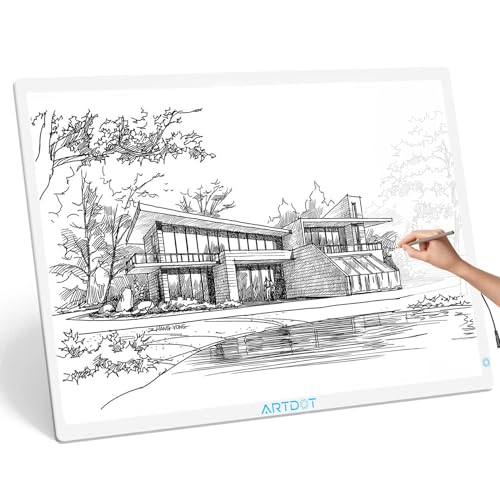
Position your light correctly. A light pad beneath the canvas illuminates symbols from below, making them dramatically easier to read. If you don’t have a light pad, position a desk lamp to shine across the canvas at a low angle rather than directly overhead. This reduces glare from the adhesive surface and creates contrast that makes symbols pop.
Keep your most-used colors within arm’s reach. Before starting a section, identify the 3-5 most common colors in that area and arrange their bags or containers in a small arc near your dominant hand. Minimizing the reach for frequent colors saves cumulative minutes over a long session.
Use a clipboard or board. Securing your canvas to a rigid board prevents it from sliding or bunching as you work. A piece of foam core, a clipboard, or a cutting mat works well. Some crafters tape the edges of the canvas to the board with painter’s tape, which holds firmly without damaging the canvas when removed.
Multi-Diamond Placer Technique
Multi-placer tips are one of the most impactful upgrades for diamond painting efficiency. These applicator pen tips pick up 3, 5, 7, or even 9 drills simultaneously, allowing you to place entire rows in a single motion.
To use a multi-placer effectively, pour a generous amount of one drill color into your tray. Shake the tray gently until multiple rows of drills are lined up face-up in the grooves. Press the multi-placer tip (waxed) across the row of drills, picking up 3 or 5 at once. Then align the tip with the corresponding row on your canvas and press down. All drills transfer simultaneously.
Multi-placers work best in large areas of a single color. They’re less useful in detailed sections where colors change frequently. The 3-placer is the most versatile, working well in medium-sized color blocks without requiring perfectly straight rows of symbols. The 5-placer and larger sizes are ideal for backgrounds and sky areas.
One important note: multi-placers work best with square drills. Round drills can shift slightly during transfer, creating uneven spacing. With square drills, the flat edges lock together naturally for clean lines.
Keeping Your Canvas Flat and Sticky
Two of the most common complaints in diamond painting are curling canvases and adhesive that loses its grip. Both are preventable with the right approach.
Flatten a curling canvas by placing it face-down on a clean surface and stacking heavy books on top for 12-24 hours. For stubborn curls, place the canvas between two sheets of parchment paper and apply gentle heat with a hair dryer on low setting while pressing flat. Never apply heat to the adhesive side directly or use an iron, which can melt the adhesive and ruin the canvas.
Maintain adhesive stickiness by keeping unexposed areas covered with the protective film at all times. If adhesive has dried out in an exposed area, apply a thin layer of craft glue or Mod Podge with a small paintbrush, let it become tacky (about 30 seconds), and then place your drills. This rescue technique works well for small areas but shouldn’t be necessary if you manage the film properly.
Deal with pet hair and dust by using a lint roller on the canvas before starting each session. Roll gently over the protective film and any exposed adhesive areas. Baby wipes can remove stubborn debris from the adhesive without affecting its stickiness, but avoid overly wet wipes that could warp the canvas.
- Ultra-thin LED panel
- 3 brightness levels
- USB powered
Color Sorting and Organization
Good organization isn’t just about neatness. It directly impacts your crafting speed and reduces errors.
Label everything immediately. When you open a new kit, transfer each bag of drills into a labeled compartment. Small bead storage boxes with snap-shut compartments work perfectly. Label each compartment with the DMC code and the canvas symbol using a fine-tipped permanent marker or printed labels. This prevents the frustration of matching unlabeled bags to symbols mid-project.
Sort by usage frequency. After reviewing your canvas, identify which colors appear most often. Place these in the most accessible positions in your storage system. Less common colors can go in harder-to-reach spots since you’ll access them less frequently.
Save your leftover drills. Every kit includes extras, and these accumulate over multiple projects. Store them by DMC code in a master collection. Leftovers are invaluable for filling gaps in future projects where you’ve run short of a particular color, or for creating mixed-media projects and custom creations.
Working in Sections vs Rows
Two primary strategies exist for working through a diamond painting canvas, and each has advantages depending on the design and your preference.
Section-by-section: Complete one small area of the canvas entirely before moving to the next. This means all colors in that section are placed before you peel back more film. This approach provides the satisfaction of seeing completed areas grow and ensures you never have large exposed adhesive areas. It’s the recommended method for most beginners.
Color-by-color: Complete all instances of one color across the entire canvas before switching to the next. This is faster because you never switch trays, and multi-placer tools can be used continuously. However, it requires exposing more of the canvas at once, which increases the risk of dust contamination and adhesive drying.
Many experienced crafters use a hybrid approach. They work in large sections (perhaps one-quarter of the canvas at a time) and complete all colors within that section before moving on. This balances speed with adhesive protection.
Straightening Crooked Drills
Misaligned drills are more noticeable with square drills than round ones. A single crooked drill can throw off an entire row, creating a visible wave pattern in the finished piece. Here’s how to keep your lines straight and fix problems when they occur.
Use a ruler or straightedge. A thin metal ruler placed along a row acts as a guide, keeping drills in perfect alignment. Place the ruler along the row you’re filling and butt each drill against its edge. This is especially helpful for large single-color areas where drift is most noticeable.
Apply the checkerboard technique. Place drills in every other space first, creating a checkerboard pattern. Then fill in the gaps. Each drill is now guided into position by its neighbors on two sides, resulting in straighter rows than placing drills sequentially.
Fix crooked sections with tweezers. If you notice a misaligned area, use fine-tipped tweezers to gently nudge drills into position. For larger corrections, carefully remove a row with the flat edge of a craft knife and reposition the drills. This is easiest within the first few hours while the adhesive is still fully workable.

- UPGRADE KIT PACK:Our large diamond painting kits use high-quality canvas, the ca
- LARGE DIAMOND ART PAINTING:Large diamond art painting is not only an art form, b
- WALL DECORATION:Diamond painting kits for adults can be kept for a long time,Whe
Dealing with Missing or Extra Drills
Most kits include 20-30% extra drills per color, but occasionally you’ll run short of a specific color. Here’s what to do.
Contact the manufacturer first. Reputable brands like Diamond Art Club, Diamond Dotz, and Heartful Diamonds will send replacement drills free of charge if you contact their customer service. Include your order number and the DMC code you need. Most respond within a few business days.
Order individual colors online. Several specialty retailers sell individual drill colors by DMC code. This is useful if the manufacturer is slow to respond or if you’re working with an older kit. Amazon and dedicated diamond painting supply shops carry individual color packs.
Check your leftover stash. If you’ve completed previous projects, your accumulated extras may include the exact DMC code you need. This is another reason organized storage pays off.

Wax Alternatives That Work Better
The small wax pad included in most kits works fine, but it has limitations. It can dry out, it leaves residue on drill tops (reducing sparkle slightly), and it needs frequent reapplication. Many experienced crafters have found alternatives they prefer.
Blu-Tack or museum putty: This is the most popular wax alternative in the diamond painting community. A small piece pressed onto the end of the applicator pen provides consistent tack for hundreds of drill placements before needing replacement. It doesn’t dry out between sessions and leaves minimal residue.
Diamond painting wax squares: Several companies now sell purpose-made wax products designed specifically for diamond painting. These typically last longer than the included wax pads and provide more consistent pickup. Look for options described as “tacky” rather than “sticky” for the best balance.

Beeswax: A natural alternative that some crafters swear by. It provides good tack without leaving oily residue. A small piece of pure beeswax, available at most craft stores, lasts through multiple projects.
Whichever alternative you choose, apply sparingly. You need just enough tack to pick up a drill, not a thick coating. Too much wax on drill tops can dull the sparkle of the finished piece. According to the Interweave craft resource, the goal is light contact adhesion that releases the drill cleanly onto the canvas.
Frequently Asked Questions
How do I prevent my hand from getting tired during long sessions?
Use an ergonomic applicator pen with a wider grip. Standard pens are quite thin, which causes hand fatigue during extended use. Ergonomic pens with cushioned or contoured grips are available for $5-15 and make a noticeable difference. Also take breaks every 30-45 minutes to stretch your fingers and wrist.
Can I move drills after they’ve been placed?
Yes, drills can be repositioned within the first few hours of placement while the adhesive is still fully active. Use tweezers to gently lift and reposition. After 24-48 hours, the adhesive bond strengthens and drills become more difficult to move, though it’s still possible with patience.
Why are some of my drills not sticking?
The most common reason is dust or debris on the adhesive surface. Clean the area with a baby wipe and try again. If the adhesive has genuinely lost its grip, apply a thin layer of craft glue, let it become tacky, and place the drill. Also check that you’re pressing drills flat side down, as a drill placed upside down won’t adhere properly.
What’s the fastest way to complete a diamond painting?
Use a multi-placer tool for large single-color areas, work color-by-color rather than section-by-section, invest in a good light pad for faster symbol recognition, and organize your drills in labeled containers before you begin. These four changes combined can reduce your completion time by 30-40%.
How do I store an unfinished diamond painting between sessions?
Lay the protective film back over any exposed adhesive areas. Then either roll the canvas loosely (drills face-in) and secure with rubber bands, or leave it flat and cover with a clean cloth. If you have pets, store the canvas in a sealed plastic bag or portfolio case to prevent hair and dust contamination. Our storage solutions guide covers options for works in progress and finished pieces.
What workspace setup changes can help reduce neck and back pain while diamond painting?
You should angle your canvas at about 15-30 degrees using a tabletop easel, tilted drafting board, or a binder under one edge. This simple adjustment significantly reduces the strain from hunching over a flat surface and makes your crafting sessions more comfortable.
How can I make the symbols on my diamond painting canvas easier to see?
Position a light pad beneath your canvas to illuminate the symbols from below, or use a desk lamp positioned at a low angle across the canvas rather than overhead. This reduces glare from the adhesive surface and creates better contrast so you can read the symbols more clearly.
What are some practical diamond painting tips and tricks for working faster on large projects?
Keep your most-used colors within arm’s reach to minimize time spent searching, organize your workspace efficiently to reduce repositioning, and use proper lighting to help you work more accurately. These technique adjustments from experienced crafters can significantly speed up your projects while reducing frustration.
How do experienced diamond painters handle common problems like curling canvases and drying wax?
Experienced crafters have refined techniques through completing dozens of projects to solve issues like canvas curling and wax that dries too quickly. This guide covers specific solutions for these annoyances that beginners commonly face, helping you produce cleaner results.


These statements have not been evaluated by the Food and Drug Administration. This information is not intended to diagnose, treat, cure, or prevent any disease. Content is for informational purposes only and is not medical advice; consult a qualified healthcare provider before starting any supplement. As an Amazon Associate we earn from qualifying purchases.
