Learning how to wash cross stitch projects properly is essential for preserving your beautiful handwork for years to come. After spending countless hours creating a treasured piece, you’ll want to ensure it stays vibrant and intact through proper cleaning and care. With the right techniques and materials, you can safely clean your finished cross stitch while protecting both the delicate stitches and the fabric underneath.
Our reviews are based on aggregated verified buyer feedback, manufacturer specifications, and published expert opinion. Products are not independently tested by our team.
When and Why to Wash Cross Stitch
You might wonder if washing your cross stitch is even necessary, especially if you’ve kept it in a hoop during stitching. However, most finished pieces benefit from a gentle wash before framing or displaying. During the stitching process, your hands naturally transfer oils, and the fabric can accumulate dust and environmental particles over weeks or months of work.
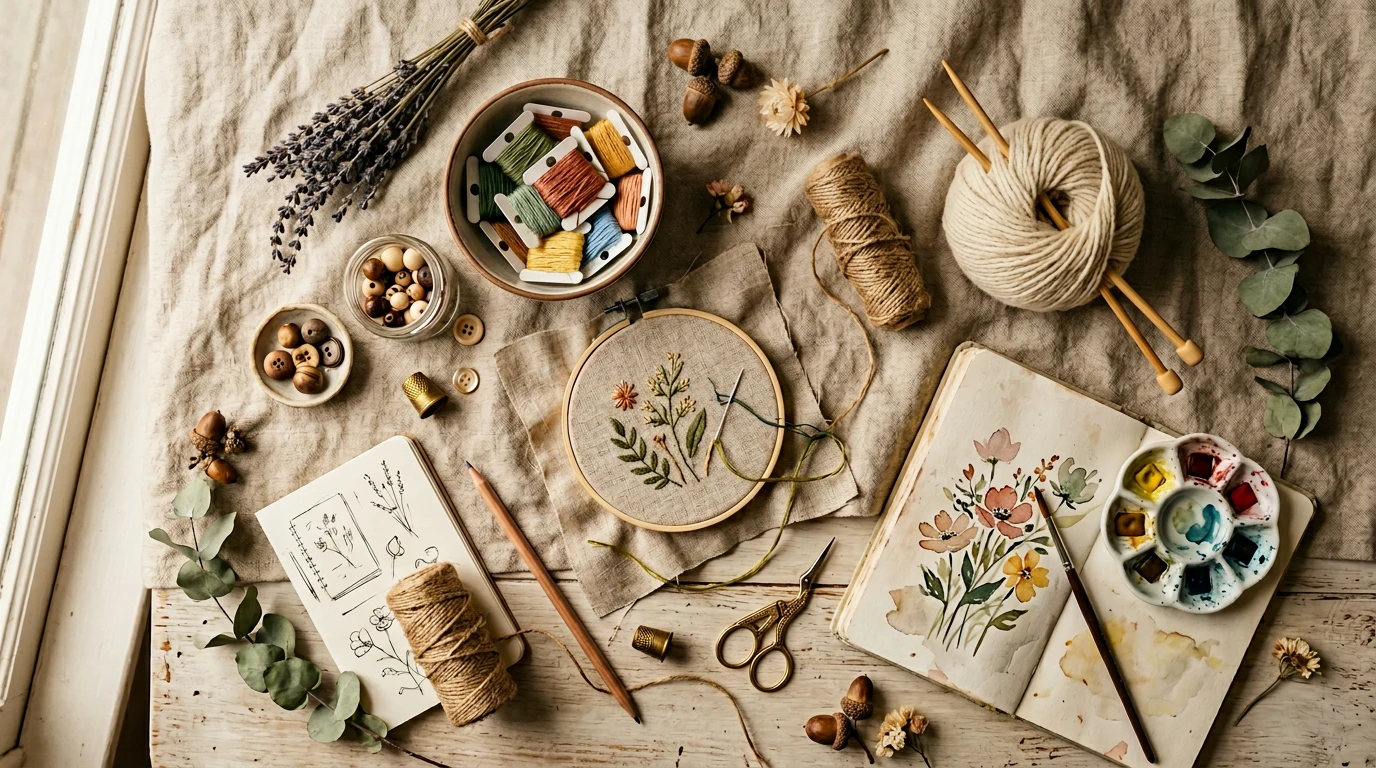
Washing becomes particularly important when you’ve worked on a large project over an extended period. Even with clean hands, natural skin oils will gradually transfer to the fabric and thread. If you’ve been working on a Cross Stitch for Beginners: Everything You Need to Start sampler or a complex pattern for months, washing will refresh the colors and make your finished piece look crisp and new.
You should also wash your cross stitch if you notice any visible soil, if the fabric feels stiff from handling, or if the white areas appear dingy. Projects worked on darker fabrics like black or navy Aida cloth may not show soil as readily, but they still benefit from cleaning.
However, there are times when washing isn’t recommended. Antique or vintage pieces should be cleaned by conservation professionals. Projects using metallic threads, silk threads, or specialty fibers may require different care methods. When in doubt, test a small, inconspicuous area first or consult the thread manufacturer’s care instructions.
Supplies for Safe Washing
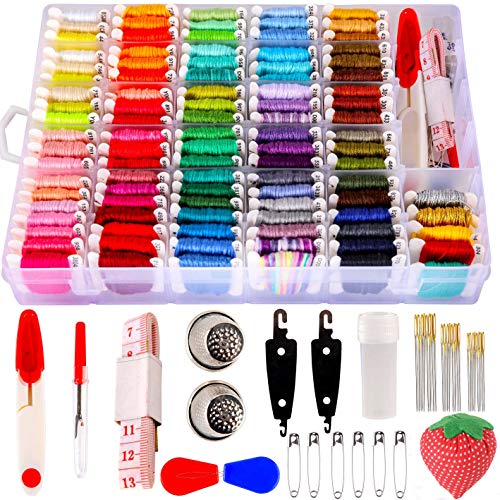
Gathering the right supplies before you begin is crucial for safely washing your cross stitch. The wrong detergent or water temperature can cause irreversible damage, so it’s worth investing in quality cleaning products specifically designed for delicate textiles.
Essential Cleaning Supplies
- Woolite Delicates or Eucalan No-Rinse Wool Wash: These pH-balanced detergents are gentle enough for embroidery threads while effectively removing oils and soil
- White vinegar: Helps set colors and remove any alkaline residue from the fabric
- Color catchers or dye-grabbing sheets: Carbona Color Run Remover sheets can prevent color bleeding between different thread colors
- Clean white towels: For drying and pressing, avoid colored towels that might transfer dye
- Distilled water: Prevents mineral deposits that can stiffen fabric, especially important in hard water areas
- pH testing strips: Optional but helpful for ensuring your wash water is properly balanced
Equipment You’ll Need
- Clean washbasin or sink: Large enough to allow the fabric to move freely without crowding
- Mesh laundry bag: For added protection during washing, especially useful for delicate or vintage pieces
- Plastic colander: For gentle rinsing without handling the wet fabric too much
- Pressing cloth: A clean white cotton cloth or pressing paper for ironing
- Padded ironing surface: A thick towel works if you don’t have a padded ironing board
According to verified reviews, stitchers consistently report better results when they use specialized fabric detergents rather than regular laundry soap. The gentle formulation helps preserve the integrity of both DMC cotton floss and the fabric weave.
Step-by-Step Washing Instructions
Follow these detailed steps to safely wash your cross stitch project. Take your time with each step – rushing can lead to mistakes that damage your beautiful work.
Pre-Washing Preparation
- Remove from hoop or frame: Take your cross stitch out of any Q-Snap frame or embroidery hoop to prevent permanent creases
- Inspect for loose threads: Check for any thread ends that might come undone during washing and secure them with tiny stitches
- Test colorfastness: Dampen a white cloth and gently dab it on the darkest thread colors to check for bleeding
- Document your work: Take a photo of your finished piece before washing for reference
The Washing Process
- Fill your basin with cool water: Use lukewarm water (around 70-80°F) and add a small amount of gentle detergent
- Add the cross stitch: Gently submerge the fabric, ensuring it’s fully covered but not crowded
- Let it soak: Allow 15-20 minutes for the detergent to work, gently agitating the water occasionally
- Rinse thoroughly: Use clean, cool water to rinse until no soap residue remains – this may take 3-4 rinse cycles
- Final vinegar rinse: Add 1 tablespoon of white vinegar to the final rinse water to neutralize any remaining soap and help set colors
Never wring or twist your cross stitch while it’s wet. The fibers are more fragile when saturated with water, and aggressive handling can distort the stitches or stretch the fabric out of shape.
Special Considerations for Different Fabrics
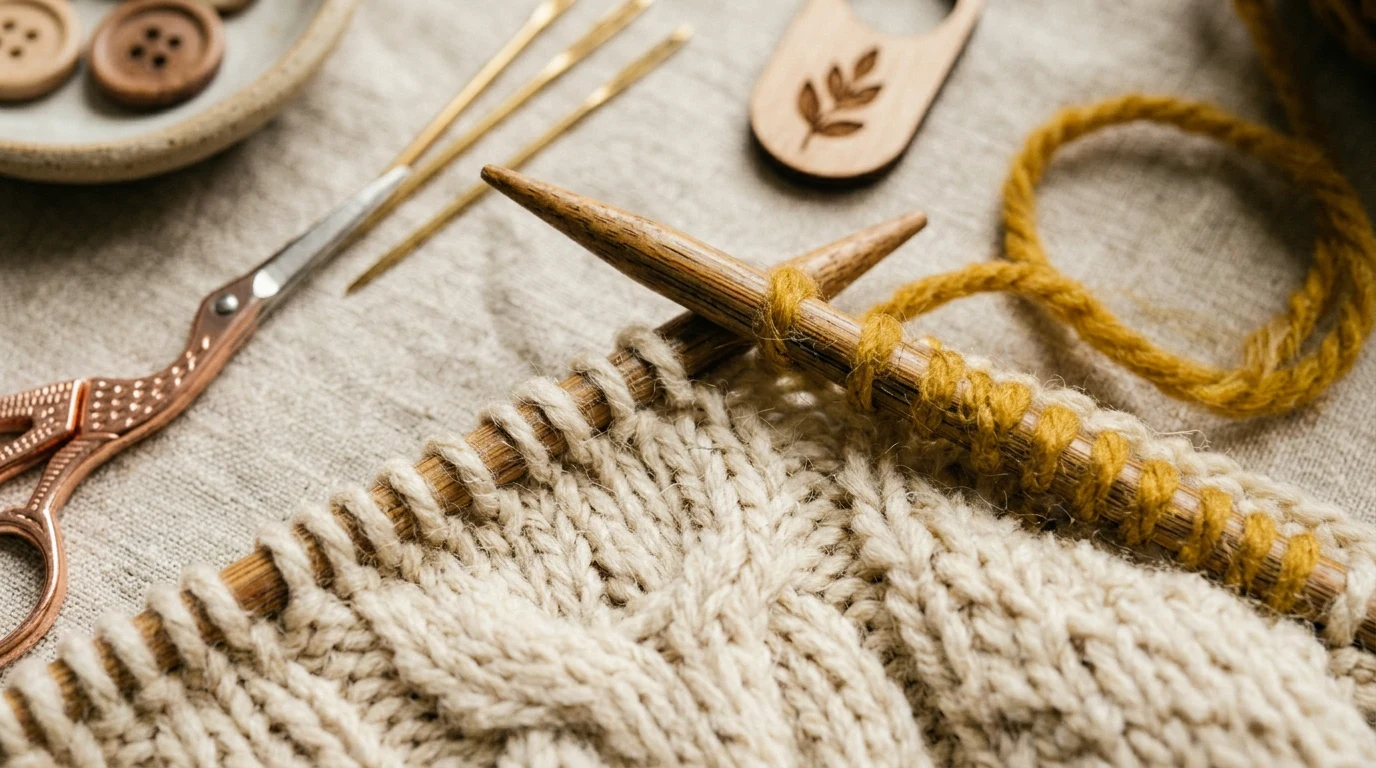
Different cross stitch fabrics require slightly modified approaches. Charles Craft Aida cloth, the most common beginner fabric, handles standard washing well. However, if you’re working on premium Cross Stitch Fabric Guide: Aida vs Evenweave vs Linen like Zweigart Belfast linen, you’ll want to use slightly cooler water and handle it even more gently.
For evenweave fabrics, pay extra attention to maintaining the fabric’s shape during washing. These fabrics can stretch more easily than Aida when wet, so support the fabric’s weight when lifting it in and out of the water.

- 【Size and Package】15.7×11.8 inch,2pc cross stitch needles, enough thread already
- 【Stamped Cross Stitch Kits for Adults】cross stitch kits gives a pre-set canvas a
- 【Crafted with High-quality Materials】 Cotton thread used in the Cross-Stitch Kit
Dealing with Color Bleeding
Color bleeding can be heartbreaking, but it’s often preventable and sometimes reversible if caught quickly. Understanding which threads are most likely to bleed helps you take preventive measures.
High-Risk Colors
Certain colors are notorious for bleeding, particularly deep reds, dark blues, and purples. DMC 321 (red) and DMC 310 (black) are generally colorfast, but some of the darker shades like DMC 939 (navy blue) may release excess dye. Anchor threads have similar characteristics, with their darker shades requiring extra caution.

- Red family: Burgundies, deep crimsons, and wine colors
- Blue family: Navy, royal blue, and indigo shades
- Purple family: Deep purples and plums
- Dark neutrals: Deep browns and forest greens
Prevention Strategies
The best approach to color bleeding is prevention. Before washing your completed project, test individual thread colors by dampening a small section and blotting with a white cloth. If you see any color transfer, you can treat those specific areas.
Color-catching sheets work remarkably well for cross stitch projects. Buyers report that these sheets effectively trap loose dyes that might otherwise migrate to lighter areas of your work. Add one or two sheets to your wash water, especially if your project includes high-risk colors.
Emergency Bleeding Treatment
If bleeding occurs despite your precautions, don’t panic. Immediate action can often minimize or reverse the damage:
- Stop the wash immediately: Remove the piece from the water to prevent further dye migration
- Rinse in cold water: Use the coldest water possible to help stop the bleeding process
- Try a dye remover: Products like Carbona Color Run Remover can be effective on cotton threads and fabrics
- Repeat treatment if necessary: You may need multiple treatments for stubborn bleeding
Reviews indicate that most color bleeding incidents can be successfully treated if addressed quickly. The key is acting fast before the dye has time to permanently set into the fabric.
How to Dry Cross Stitch Properly
Proper drying is just as important as proper washing. The way you dry your cross stitch affects both its appearance and longevity, so resist the urge to speed up this crucial step.
The Towel Method
The safest drying method involves laying your cross stitch flat between clean, white towels. This technique protects the stitches while drawing moisture away from the fabric.
- Prepare your drying area: Lay a large, clean white towel on a flat surface away from direct sunlight
- Remove excess water: Gently lift the cross stitch from the final rinse, supporting its weight to prevent stretching
- Position on towel: Lay the piece face-down on the towel, smoothing out any wrinkles or folds
- Cover with second towel: Place another white towel on top and gently press to absorb moisture
- Roll and press: Carefully roll the towels with the cross stitch inside, applying gentle pressure to remove water
- Unroll and reposition: Unroll and move to a fresh, dry towel for final drying
Air Drying Guidelines
Once you’ve removed excess moisture, your cross stitch needs to air dry completely. This process can take 12-24 hours depending on humidity levels and fabric thickness.
- Choose the right location: Pick a clean, dust-free area with good air circulation but no direct sunlight
- Maintain flat position: Keep the piece flat during drying to prevent new wrinkles from forming
- Check periodically: Gently lift corners to ensure even drying and prevent mold in humid conditions
- Rotate if needed: Turn the piece over halfway through drying if one side seems to be drying much faster
Never hang wet cross stitch to dry, as the weight of the water can stretch the fabric and distort your stitches. Similarly, avoid using heat sources like hair dryers or placing the piece near radiators, as rapid drying can cause shrinkage and stiffening.
Pressing and Ironing Tips
Proper pressing gives your cross stitch a professional, finished appearance. However, the raised texture of your stitches requires special techniques to avoid flattening your beautiful work.
Face-Down Pressing Method
The golden rule of pressing cross stitch is to always press face-down. This protects the dimensional quality of your stitches while smoothing the fabric.
- Create a padded surface: Layer several thick towels on your ironing board for extra cushioning
- Position the cross stitch: Place your piece face-down on the padded surface, ensuring all stitches are lying flat
- Cover with pressing cloth: Use a clean white cotton cloth or pressing paper to protect the fabric
- Set iron temperature: Use a medium heat setting appropriate for cotton (cotton setting on most irons)
- Press, don’t iron: Lower the iron straight down and lift straight up – don’t slide it across the surface
- Work in sections: Press small areas at a time, overlapping slightly to ensure even coverage
Steam vs. Dry Pressing
Both steam and dry pressing have their advantages for cross stitch. According to experienced stitchers, dry pressing with a damp pressing cloth often gives the best results because it provides moisture without oversaturating the fabric.
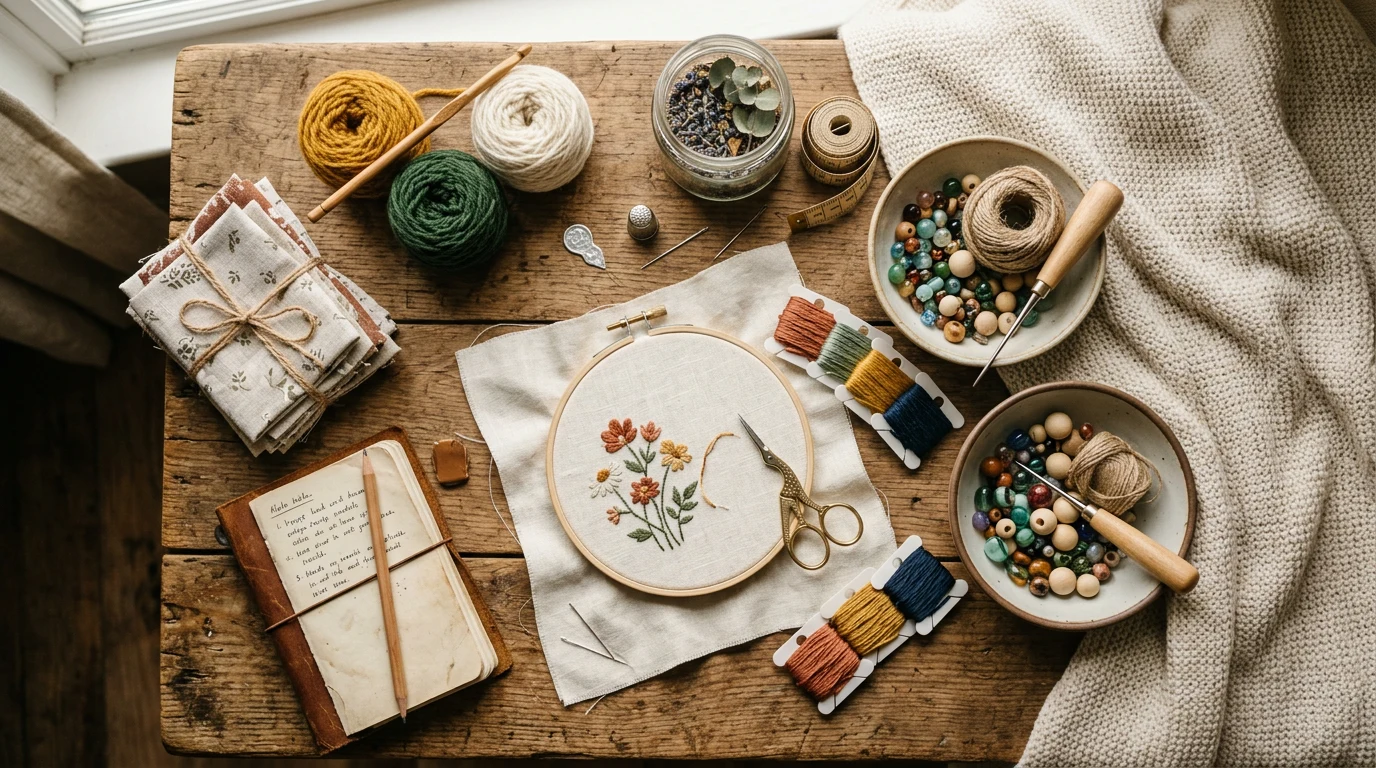
If you choose steam pressing, use it sparingly. Too much steam can cause colors to bleed or fabric to shrink. Test the steam setting on a corner or inconspicuous area first, especially if you’re working with hand-dyed or specialty threads.
Special Considerations for Different Stitch Types
If your project includes specialty stitches like French knots, bullion knots, or beadwork, you’ll need extra care during pressing. These dimensional elements can be permanently flattened by too much pressure or heat.
- French knots: Press around them rather than over them, or use a very light touch
- Metallic threads: Use lower heat settings as metallic threads can melt or tarnish
- Beads or sequins: Cover with extra padding and use minimal pressure
- Silk threads: Require lower temperatures and gentle handling

- Kids 12-in-1 Cross Stitch Kit: 12 Blank Assorted Embroidery Boards with 16 colou
- Easy-to-Follow Instructions: The instruction manual features 12 adorable pattern
- Skill Development: This DIY embroidery kit helps kids develop fine motor skills,
Long-Term Care and Storage
Proper storage protects your finished cross stitch pieces from dust, insects, and environmental damage. Whether you’re storing completed pieces until framing or preserving family heirlooms, the right approach ensures your needlework stays beautiful for generations.
Short-Term Storage
For pieces you plan to frame or finish within a few months, simple protection is usually sufficient. The Textile Preservation guidelines recommend keeping textiles in clean, dry environments away from direct light.
- Acid-free tissue paper: Wrap pieces in acid-free tissue to prevent yellowing and provide protection
- Clean cotton sheets: Muslin or old white cotton sheets work well for wrapping larger pieces
- Flat storage: Store pieces flat in drawers or boxes rather than folding when possible
- Cedar protection: Cedar blocks or lavender sachets help deter insects without using harsh chemicals
Long-Term Archival Storage
For pieces you want to preserve for many years or pass down to family members, invest in archival-quality storage materials. These materials are specifically designed to prevent deterioration over time.

- Archival boxes: Museum-quality storage boxes made from acid-free materials
- Archival folders: For individual pieces, especially smaller samplers or ornaments
- Buffered tissue paper: Helps neutralize acids that develop over time
- Climate control: Maintain stable temperature and humidity levels if possible
Preventing Common Storage Problems
Several common storage mistakes can damage your cross stitch over time. Being aware of these issues helps you make better storage decisions.
- Avoid plastic bags: Plastic traps moisture and can cause mold or mildew
- Don’t use cardboard: Regular cardboard contains acids that yellow fabric over time
- Check periodically: Inspect stored pieces annually for signs of pest damage or environmental issues
- Rotate folded pieces: If you must fold pieces, refold along different lines occasionally to prevent permanent creases
Buyers report excellent results with museum-quality storage materials, though they do represent a higher initial investment. For pieces with sentimental or monetary value, the extra cost is worthwhile protection.
Frequently Asked Questions
Can I machine wash my cross stitch?
Generally, hand washing is much safer for cross stitch projects. However, if you must use a machine, use the delicate cycle with cold water and place the piece in a mesh laundry bag. Never use the spin cycle – remove the piece while still soaking wet and proceed with hand methods for drying and pressing.
How often should I wash my cross stitch projects?
Most cross stitch pieces only need washing when they’re completed and before final framing or finishing. If a piece becomes visibly soiled during stitching, you can wash it mid-project, but this isn’t usually necessary. Framed pieces may never need washing again unless they’re exposed to smoke, cooking vapors, or other environmental contaminants.
What if my cross stitch has water stains after washing?
Water stains usually indicate mineral deposits from hard water. Try rewashing with distilled water and a small amount of white vinegar in the rinse water. For persistent stains, a solution of equal parts distilled water and white vinegar can help dissolve mineral deposits.
Is it safe to wash cross stitch with metallic threads?
Metallic threads require extra caution. Test a small area first, as some metallics can tarnish or lose their luster when wet. If you must wash a piece with metallic elements, use the gentlest possible method and avoid any rubbing or agitation of the metallic areas.

Can I wash vintage cross stitch pieces?
Vintage or antique cross stitch pieces require specialized care. The threads and fabric may be fragile, and older dyes are more likely to bleed. For valuable vintage pieces, consult a textile conservator rather than attempting to wash them yourself. If you do wash a vintage piece, use the gentlest methods and be prepared for some color loss or fabric weakening.
Should I wash cross stitch kits before starting?
Pre-washing the fabric from cross stitch kits can prevent shrinkage and remove any manufacturing residues. This is especially recommended for Best Cross Stitch Kits for Beginners where you want to avoid any surprises. However, many stitchers prefer to work with the fabric’s original sizing and stiffness, so pre-washing is optional.
Taking proper care of your cross stitch projects ensures that your beautiful handwork will be treasured for years to come. Whether you’re preserving a simple sampler or a complex masterpiece, gentle washing and proper storage techniques protect your investment of time and creativity. Remember that patience during the cleaning and care process is just as important as patience during the stitching itself. With these techniques, you can confidently clean and preserve your needlework, knowing that you’re giving it the best possible care. Your future self – and perhaps future generations – will thank you for taking the time to do it right.
Do I really need to wash my cross stitch project before framing it?
Yes, most finished cross stitch pieces benefit from a gentle wash before framing or displaying. During the stitching process, your hands naturally transfer oils to the fabric, and dust and environmental particles accumulate over weeks or months of work, so washing will refresh the colors and make your finished piece look crisp and new.
What are the signs that my cross stitch needs to be cleaned?
You should wash your cross stitch if you notice visible soil, if the fabric feels stiff from handling, or if white areas appear dingy. Even projects worked on darker fabrics like black or navy Aida cloth benefit from cleaning, as they may hide soil that’s still present on the fibers.
Are there cross stitch projects I should not wash myself?
Yes, antique or vintage cross stitch pieces should be cleaned by conservation professionals rather than washed at home. These older projects require specialized care to preserve their historical value and integrity.
How can proper care for cross stitch projects help preserve my handwork?
Learning the right techniques and materials for washing cross stitch ensures both the delicate stitches and the fabric underneath are protected from damage. With proper cleaning and care methods, you can safely clean your finished cross stitch while keeping it vibrant and intact for years to come.
These statements have not been evaluated by the Food and Drug Administration. This information is not intended to diagnose, treat, cure, or prevent any disease. Content is for informational purposes only and is not medical advice; consult a qualified healthcare provider before starting any supplement. As an Amazon Associate we earn from qualifying purchases.
