Starting a calligraphy side business after 50 might seem daunting, but it’s actually one of the most rewarding ways to turn your artistic passion into profit. Your years of life experience give you advantages that younger entrepreneurs simply don’t have – patience, attention to detail, and the wisdom to build genuine relationships with clients. Whether you’ve been practicing calligraphy for years or recently discovered this beautiful art form, there’s never been a better time to transform your hobby into a thriving business venture.
Our reviews are based on aggregated verified buyer feedback, manufacturer specifications, and published expert opinion. Products are not independently tested by our team.
Can You Really Make Money with Calligraphy?
Absolutely! The calligraphy market has experienced tremendous growth in recent years, with couples spending more on personalized wedding stationery and businesses seeking unique branding elements. Professional calligraphers report earning anywhere from $25 to $150 per hour, depending on their skill level and the type of work they provide.

The beauty of a calligraphy side business is its flexibility. You can start small, working just a few hours per week, and gradually expand as your client base grows. Many successful calligraphers began exactly where you are now – with a love for beautiful lettering and a desire to share that passion with others.
Market demand remains consistently strong across several key areas. Wedding invitation addressing represents the bread and butter of many calligraphy businesses, with brides willing to pay premium prices for hand-lettered envelopes that set the tone for their special day. Corporate clients seek custom signage, menu design, and branded materials that stand out in our increasingly digital world.
According to the Wedding Report, the average wedding budget continues to include substantial allocations for stationery and personalization, creating ongoing opportunities for skilled calligraphers. Additionally, the rise of social media has increased demand for custom artwork that photographs beautifully and captures attention online.
Your age can actually be an advantage in this business. Clients often prefer working with mature professionals who demonstrate reliability, meet deadlines consistently, and communicate clearly throughout the project process. The trust factor that comes with experience is invaluable when handling precious wedding invitations or important corporate projects.
Most Profitable Calligraphy Services
Understanding which services generate the highest profit margins will help you focus your energy and marketing efforts effectively. Wedding envelope addressing consistently ranks as the most lucrative service, with prices ranging from $3 to $8 per envelope depending on your location and skill level.
Custom wedding signage presents another high-value opportunity. Welcome signs, seating charts, and ceremony backdrops can command prices from $150 to $500 per piece. These projects often require larger format work but offer excellent profit potential for the time invested.
- Envelope addressing for weddings and special events
- Custom wedding signage and place cards
- Business logo design and branding materials
- Menu design for restaurants and special events
- Custom artwork and prints for home decor
- Corporate awards and certificates
- Holiday and greeting card design
- Calligraphy workshops and classes
Teaching represents an often-overlooked revenue stream that leverages your expertise while building your reputation in the community. Private lessons can command $50-75 per hour, while group workshops generate additional income while establishing you as a local authority on calligraphy.
Digital products offer scalable income opportunities. Once you create calligraphy fonts, printable artwork, or online courses, they can generate passive income with minimal additional effort. Many calligraphers supplement their custom work with digital downloads sold through platforms like Etsy or their own websites.
Corporate work often provides the highest per-project values. Companies launching new products or rebranding initiatives frequently seek unique calligraphy elements for packaging, marketing materials, and signage. These projects can range from $500 to several thousand dollars, making them extremely valuable for your business growth.
Setting Your Pricing
Pricing your calligraphy services appropriately is crucial for building a sustainable business. Many new calligraphers make the mistake of undervaluing their work, which ultimately hurts both their profitability and the industry as a whole. Your pricing should reflect not only the time spent creating the work but also your skill, experience, and the value you provide to clients.
For envelope addressing, research your local market thoroughly. Wedding invitation addressing typically ranges from $2.50 to $8.00 per envelope, with factors like location, complexity of addresses, and turnaround time affecting the final price. Start by surveying competitors in your area and positioning yourself competitively while ensuring profitability.
| Service Type | Beginner Range | Experienced Range | Premium Range |
|---|---|---|---|
| Envelope Addressing | $2.50-$4.00 | $4.00-$6.00 | $6.00-$8.00+ |
| Place Cards | $2.00-$3.00 | $3.00-$5.00 | $5.00-$8.00 |
| Wedding Signs | $75-$150 | $150-$300 | $300-$500+ |
| Menu Design | $100-$200 | $200-$400 | $400-$750 |
Calculate your costs carefully, including materials, time, overhead, and desired profit margin. Factor in the cost of quality supplies like Sumi ink by Kuretake or Canson Marker paper, as professional materials are essential for delivering work that justifies premium pricing.
Consider offering package deals for comprehensive wedding stationery projects. Bundling envelope addressing, place cards, and signage can increase your average project value while providing clients with convenient one-stop service. Many calligraphers find that packages generate 20-30% higher revenue than individual service pricing.
Don’t forget to account for rush orders and revision requests in your pricing structure. Expedited timelines should command premium rates, typically 25-50% above standard pricing. Similarly, establish clear policies regarding revisions to prevent scope creep from eroding your profitability.
Track your time meticulously during your first several projects to establish accurate pricing baselines. Many new business owners underestimate the time required for client communication, proofing, packaging, and shipping. These “invisible” hours must be factored into your pricing to ensure sustainable profitability.
- 14K gold flex nib
- Soft-medium point
- Resin barrel gold trim
Building a Portfolio
A compelling portfolio serves as your most powerful marketing tool, showcasing your skills and style to potential clients. Start building your portfolio even before launching your business by creating sample pieces that demonstrate your range and expertise across different styles and applications.
Focus on quality over quantity when curating your portfolio. Eight to twelve exceptional pieces will make a stronger impression than twenty mediocre samples. Include variety in both style and application – show envelope addressing, signage work, menu design, and custom artwork to demonstrate your versatility.
Create mock wedding projects using fictitious names and addresses to showcase your envelope addressing skills. Design sample wedding signage, place cards, and menu layouts that demonstrate your ability to create cohesive branded experiences. These spec pieces allow you to experiment with different styles while building a professional portfolio.
Photograph your work professionally using natural lighting and clean backgrounds. Poor photography can make even excellent calligraphy appear unprofessional. Invest time in learning basic photography techniques or consider hiring a photographer for your initial portfolio shoots. The investment will pay dividends in attracting quality clients.
Document your process as well as your finished work. Many clients appreciate seeing behind-the-scenes glimpses of your workspace, tools like the Pilot Parallel Pen or Zebra G nib, and work-in-progress shots. These images help clients understand the craftsmanship and care that goes into each piece.
Consider creating different portfolio versions for different markets. Wedding clients want to see romantic, elegant script styles, while corporate clients may prefer clean, modern lettering. Tailoring your portfolio presentation to your target audience increases your chances of winning projects.

Gather testimonials and reviews as you complete early projects, even if they’re for friends or family at discounted rates. Social proof builds trust with potential clients and differentiates your business from competitors. Display testimonials prominently alongside your portfolio pieces.
Finding Your First Clients
Landing your first paying clients requires strategic thinking and persistent effort, but the right approach can generate steady business within weeks of launching your calligraphy side business. Start by leveraging your existing network – friends, family, colleagues, and community connections who already know and trust you.
Offer your services at a discounted rate to your initial clients in exchange for testimonials, referrals, and permission to use their projects in your portfolio. This approach helps you gain experience with real client deadlines and requirements while building the foundation for future marketing efforts.
Wedding vendors represent an invaluable source of referrals for calligraphy services. Introduce yourself to local wedding planners, photographers, florists, and venue coordinators. These professionals regularly work with brides who need envelope addressing and custom signage. Building relationships with vendor partners can provide steady referral income.
- Wedding planners and coordinators
- Photographers and videographers
- Florists and event designers
- Venue managers and coordinators
- Stationery stores and print shops
- Corporate event planners
- Restaurant and hospitality managers
- Gift and specialty boutiques
Social media marketing, particularly Instagram and Facebook, provides powerful tools for showcasing your work and connecting with potential clients. Share high-quality images of your calligraphy projects regularly, use relevant hashtags, and engage with wedding and event planning communities in your area.
Local networking events, craft fairs, and wedding shows offer opportunities to meet potential clients face-to-face. Bring business cards, portfolio samples, and perhaps small giveaway items featuring your calligraphy to create memorable impressions. The personal connection you make at these events often converts to bookings more effectively than online marketing alone.
Consider creating strategic partnerships with complementary businesses. Stationery stores might refer envelope addressing work, while event planners could recommend your signage services. Offer commission-based referral programs to incentivize partners to recommend your services to their clients.
Online directories and local business listings help potential clients find your services when searching for calligraphy providers. Ensure your business is listed on Google My Business, Yelp, The Knot, and WeddingWire. Optimize these listings with keywords, quality photos, and compelling descriptions of your services.
Wedding Industry Opportunities
The wedding industry represents the most lucrative market for calligraphy services, with engaged couples consistently willing to invest in personalized, handcrafted elements that make their special day unique. Understanding this market’s nuances and seasonal patterns will help you maximize your earning potential and build lasting relationships with wedding vendors.

Wedding envelope addressing remains the cornerstone service that most calligraphy businesses build upon. Brides typically need addressing for save-the-dates, wedding invitations, and thank-you cards, creating multiple touchpoints throughout their planning process. Average wedding guest lists of 100-150 people translate to substantial addressing projects worth $500-1,200 each.
Expand beyond basic addressing to offer comprehensive stationery suites including menu design, place cards, table numbers, and welcome signage. Couples increasingly seek cohesive design elements throughout their wedding day, creating opportunities for larger projects that can exceed $2,000-3,000 in total value.
Seasonal timing plays a crucial role in wedding calligraphy work. Save-the-date orders typically arrive 12-18 months before weddings, followed by invitation addressing 3-6 months prior to the event. Plan your marketing efforts accordingly, promoting save-the-date services during engagement season while focusing on signage and day-of materials closer to peak wedding months.
Develop relationships with wedding planners who can become consistent sources of referrals. Professional planners work with multiple couples simultaneously and appreciate reliable vendors who deliver quality work on time. Consider offering professional discounts or referral incentives to encourage ongoing partnerships.
Bridal shows and wedding expos provide direct access to engaged couples actively seeking vendors. Invest in an attractive booth display showcasing your work, bring plenty of business cards and brochures, and consider offering show-exclusive discounts to encourage immediate bookings. The face-to-face interaction at these events often leads to higher conversion rates than online marketing.
Wedding photographers increasingly recognize the value of beautiful stationery and signage for their portfolio shots. Collaborate with photographers by providing sample pieces for styled shoots, which can lead to referrals and provide you with professional images for your own marketing materials.
Selling on Etsy and Online Marketplaces
Online marketplaces like Etsy provide excellent opportunities to scale your calligraphy business beyond local clients, reaching customers nationwide who appreciate handcrafted, personalized products. Success on these platforms requires understanding their unique dynamics and optimizing your listings for maximum visibility and conversion.
Etsy’s search algorithm favors listings with strong keywords, quality photos, and positive customer reviews. Research successful calligraphy shops on the platform to understand which keywords and phrases customers use when searching for services like yours. Incorporate these terms naturally into your listing titles and descriptions.
Digital products offer scalable income opportunities on online marketplaces. Create downloadable calligraphy fonts, printable wedding signs, or custom monogram designs that customers can purchase and print themselves. These products require upfront effort but generate ongoing passive income without additional per-order work.
Custom envelope addressing services translate well to online marketplaces, especially during peak wedding seasons. Offer clear packages with different pricing tiers based on quantity, style complexity, and turnaround time. Provide detailed information about your process, materials used, and what customers can expect.
High-quality product photography becomes even more critical for online sales since customers cannot examine your work in person. Invest time in creating compelling lifestyle shots that show your calligraphy in context – envelopes arranged with wedding invitations, signage displayed at event settings, or custom artwork in home environments.
Customer service excellence drives positive reviews, which directly impact your marketplace rankings and sales volume. Respond promptly to inquiries, provide regular project updates, and exceed delivery expectations whenever possible. Satisfied customers often return for additional projects and refer friends and family members.
Consider seasonal trends when planning your online marketplace strategy. Wedding-related items peak during engagement and wedding seasons, while holiday-themed calligraphy products perform best in the months leading up to major holidays. Adjust your inventory and marketing focus accordingly.

Tools and Supplies for Professional Work
Investing in quality tools and supplies is essential for delivering professional results that justify premium pricing and build your reputation for excellence. While you can start with basic supplies, upgrading to professional-grade materials will improve your efficiency, consistency, and final product quality significantly.
Fountain pens and dip pens each offer distinct advantages for different types of calligraphy work. The Pilot Parallel Pen provides consistent ink flow and clean lines ideal for addressing work and practice, while traditional dip pens like those fitted with Nikko G nibs offer greater line variation and artistic expression for custom artwork.
Quality nibs make a substantial difference in your final results. The Zebra G nib delivers excellent flexibility for copperplate and Spencerian styles, while the Brause Steno nib (Blue Pumpkin) provides consistent performance for italic and foundational hands. Stock multiple nib types to handle different project requirements efficiently.
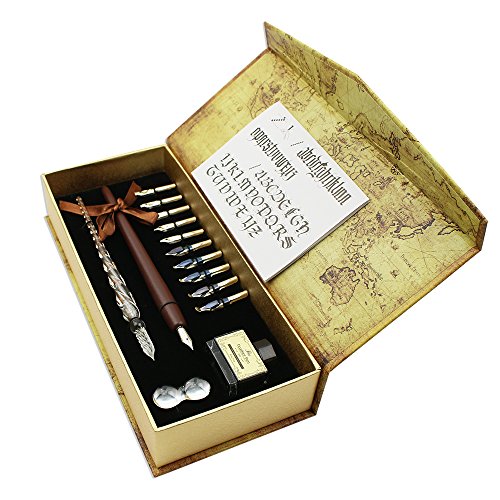

- Pilot Parallel Pen for consistent practice and addressing work
- Speedball Oblique Pen Holder for pointed pen calligraphy
- Nikko G nibs for flexible line variation
- Zebra G nibs for smooth writing experience
- Tombow Dual Brush Pens for modern calligraphy styles
- Pentel Fude Touch Sign Pen for casual lettering
- Sumi ink by Kuretake for rich, consistent color
- Rhodia dot pad for practice and layout work
- Canson Marker paper for final pieces
- High-quality rulers and triangles for precision
Paper selection significantly impacts your final results and client satisfaction. Canson Marker paper provides excellent ink absorption and smooth writing surfaces for most projects, while heavier weight papers like those from Strathmore work better for presentation pieces and artwork that will be framed or displayed.
Invest in proper lighting and workspace setup to reduce eye strain and ensure color accuracy. Natural daylight bulbs provide the most accurate color representation, while adjustable desk lamps allow you to position lighting optimally for detailed work. A comfortable, ergonomic workspace prevents fatigue during longer projects.
Digital tools complement traditional calligraphy supplies for modern business needs. A quality scanner allows you to digitize your work for online portfolios and client proofs, while design software like Adobe Illustrator enables you to create digital versions of your calligraphy for various applications.
Organization systems become crucial as your business grows. Invest in proper storage solutions for your growing collection of nibs, inks, and papers. Label everything clearly and maintain inventory tracking to ensure you never run out of essential supplies during critical project deadlines.
Scaling Your Calligraphy Business
As your calligraphy side business grows, you’ll need strategies for managing increased demand while maintaining quality and profitability. Scaling requires careful planning and systems development to handle larger volumes of work without overwhelming yourself or compromising the personal touch that attracted clients initially.
Develop standardized processes for common services like envelope addressing. Create templates for client communications, project timelines, and delivery procedures that ensure consistency across all projects. Efficient processes allow you to handle more work in less time while reducing the likelihood of errors or misunderstandings.
Consider hiring subcontractors or assistants for high-volume projects during peak seasons. Train other calligraphers to match your style and quality standards, allowing you to accept larger projects that would be impossible to complete single-handedly. This approach requires careful quality control but can significantly increase your earning potential.
Technology integration can streamline many business processes without compromising the handcrafted nature of your work. Customer relationship management (CRM) software helps track client communications and project status, while project management tools ensure deadlines are met consistently. Automated invoicing and payment systems reduce administrative overhead.
Diversify your service offerings to reduce dependence on any single revenue stream. Add workshops and classes, create digital products, or develop licensing agreements for your calligraphy designs. Multiple income streams provide stability and growth opportunities while leveraging your expertise in different ways.
Build strategic partnerships with other wedding vendors to create comprehensive service packages. Collaborate with photographers for styled shoots, partner with florists for event signage, or work with wedding planners to offer complete stationery suites. These partnerships can lead to larger projects and more consistent referral income.
Invest in professional development to stay current with industry trends and expand your skill set. Attend calligraphy conferences, take advanced workshops, or learn complementary skills like watercolor painting or digital design. Continuous learning keeps your work fresh and opens new market opportunities.
Consider transitioning from a side business to full-time entrepreneurship as your client base and income grow. This decision requires careful financial planning and risk assessment, but many calligraphers find that full-time focus allows for exponential business growth and personal satisfaction.
Frequently Asked Questions
How long does it take to become profitable with a calligraphy side business?
Most calligraphers report breaking even within 3-6 months of launching their business, depending on their initial investment in supplies and marketing efforts. Profitability often comes quickly once you establish reliable pricing and develop efficient work processes. Success factors include consistent marketing, quality work delivery, and building strong referral relationships with wedding vendors.
Do I need formal training or certification to start a calligraphy business?
No formal certification is required to start a calligraphy business. However, investing in quality instruction through workshops, online courses, or mentorship programs will significantly improve your skills and confidence. Clients care more about the quality of your work and professionalism than formal credentials.
What’s the best way to handle difficult clients or scope creep?
Prevent most issues by establishing clear contracts and communication expectations upfront. Define exactly what’s included in your pricing, specify revision policies, and outline project timelines clearly. When issues arise, address them promptly and professionally while referring back to your original agreement. Most conflicts result from misaligned expectations rather than malicious intent.
Should I focus on digital calligraphy or traditional pen and ink methods?
Both approaches have merit, and many successful calligraphers combine traditional and digital techniques. Traditional calligraphy offers authenticity and craftsmanship that clients value, while digital tools provide efficiency and scalability. Consider your target market, personal preferences, and business goals when deciding which approach to emphasize.
How do I protect my calligraphy work from being copied?
While complete protection is difficult, watermark your portfolio images, register important designs for copyright protection, and include usage rights clauses in client contracts. Focus more on building a strong brand and client relationships that make copying less profitable than competing directly. Your personal style and professional service are your best competitive advantages.
What insurance do I need for a calligraphy business?
Consider general liability insurance to protect against property damage or injury claims, and professional liability insurance for errors and omissions coverage. If you teach workshops or work on client premises, additional coverage may be necessary. Consult with an insurance professional familiar with creative businesses to determine appropriate coverage levels.
How do I price rush orders and last-minute requests?
Rush orders should command premium pricing, typically 25-50% above standard rates depending on the urgency level. Establish clear rush order policies including minimum notice requirements and premium rates. Some calligraphers charge double rates for requests with less than one week notice. Communicate these policies upfront to set appropriate expectations.
How much money can you actually make starting a calligraphy side business after 50?
Professional calligraphers typically earn between $25 to $150 per hour depending on their skill level and the type of work they provide. Many start small with just a few hours per week and gradually expand as their client base grows, making it a flexible way to turn your artistic passion into profit.
What are the most profitable calligraphy projects you can offer to clients?
Wedding invitation addressing is one of the most lucrative services, with brides willing to pay premium prices for hand-lettered envelopes. Corporate clients also seek custom signage, menu design, and branded materials that stand out, providing consistent demand for calligraphy work.
Do you need years of experience to start a calligraphy business, or can beginners succeed?
You don’t need years of prior practice to succeed, as many successful calligraphers started exactly where beginners are now with just a love for beautiful lettering. Your life experience after 50 actually gives you advantages like patience, attention to detail, and the wisdom to build genuine relationships with clients.
Is the calligraphy market actually growing, or is it becoming less popular?
The calligraphy market has experienced tremendous growth in recent years, with couples and businesses increasingly investing in personalized and unique handwritten elements. Market demand remains consistently strong, especially as businesses seek distinctive branding that stands out in our digital world.
These statements have not been evaluated by the Food and Drug Administration. This information is not intended to diagnose, treat, cure, or prevent any disease. Content is for informational purposes only and is not medical advice; consult a qualified healthcare provider before starting any supplement. As an Amazon Associate we earn from qualifying purchases.
